The Quiet Authority of a Doorway
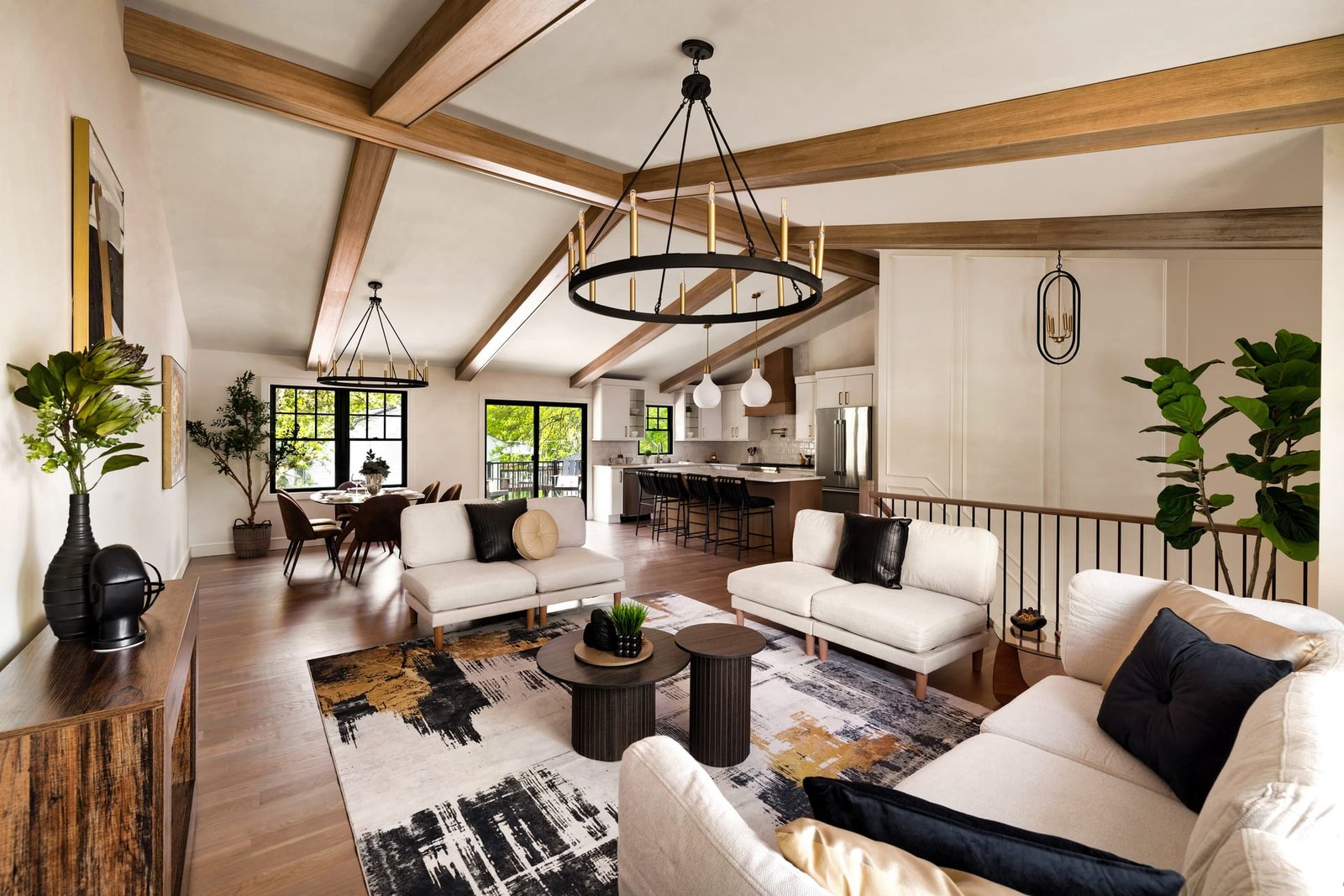
Every building is a sequence of decisions about where to pass through and where to pause. The threshold, that framed opening between one room and the next, is where those decisions become visible. It is a device architects have used for centuries to control pace, reveal a view, or hold a surprise in reserve. In architectural photography, the threshold is one of the most useful and least discussed tools available, because it organizes space without a word of explanation.
A door, an archway, a cased opening, or a simple change in floor material all perform the same function. They tell the eye that one condition is ending and another beginning. When a photograph honors that transition, it gives the viewer a sense of depth, progression, and intention that a single flat room can rarely achieve on its own.
A threshold is the moment a building decides what to reveal next, and the camera can choose to witness that decision.
Why Thresholds Matter to the Image
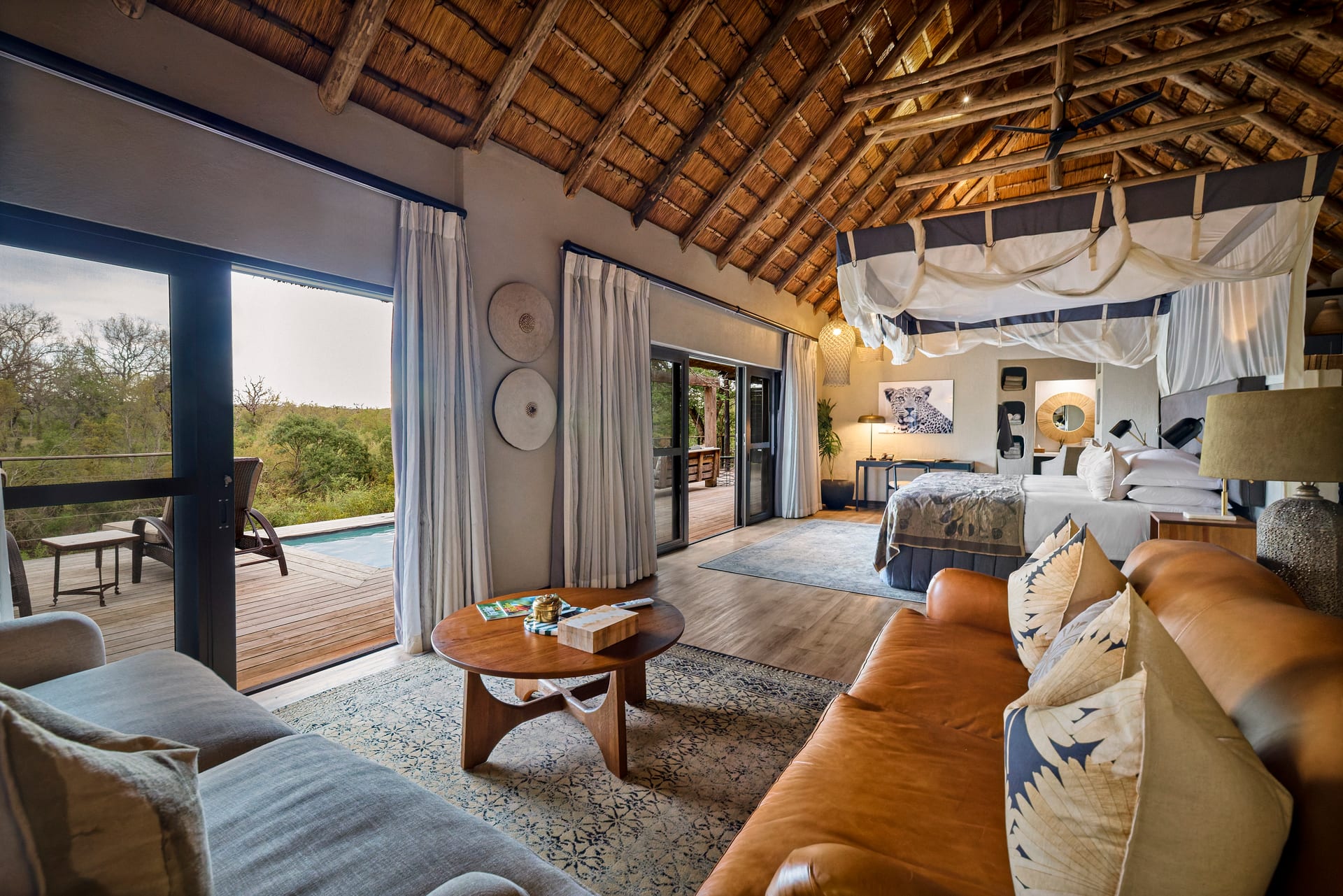
Interior photography is often judged on how convincingly it conveys the experience of being somewhere. A room shot straight on can read as complete, but it can also read as closed, a dead end. A threshold opens the frame. It implies that the space continues, that there is more to the home or hotel or gallery than this one view contains.
For design professionals, this matters because your work is rarely a single room. It is a plan, a flow, a relationship between spaces. A photograph that captures a doorway from the dining room into the kitchen communicates adjacency and circulation in a way a floor plan never will for a prospective client or a magazine editor. It shows how the building is actually lived in.
Framing a Room Within a Room
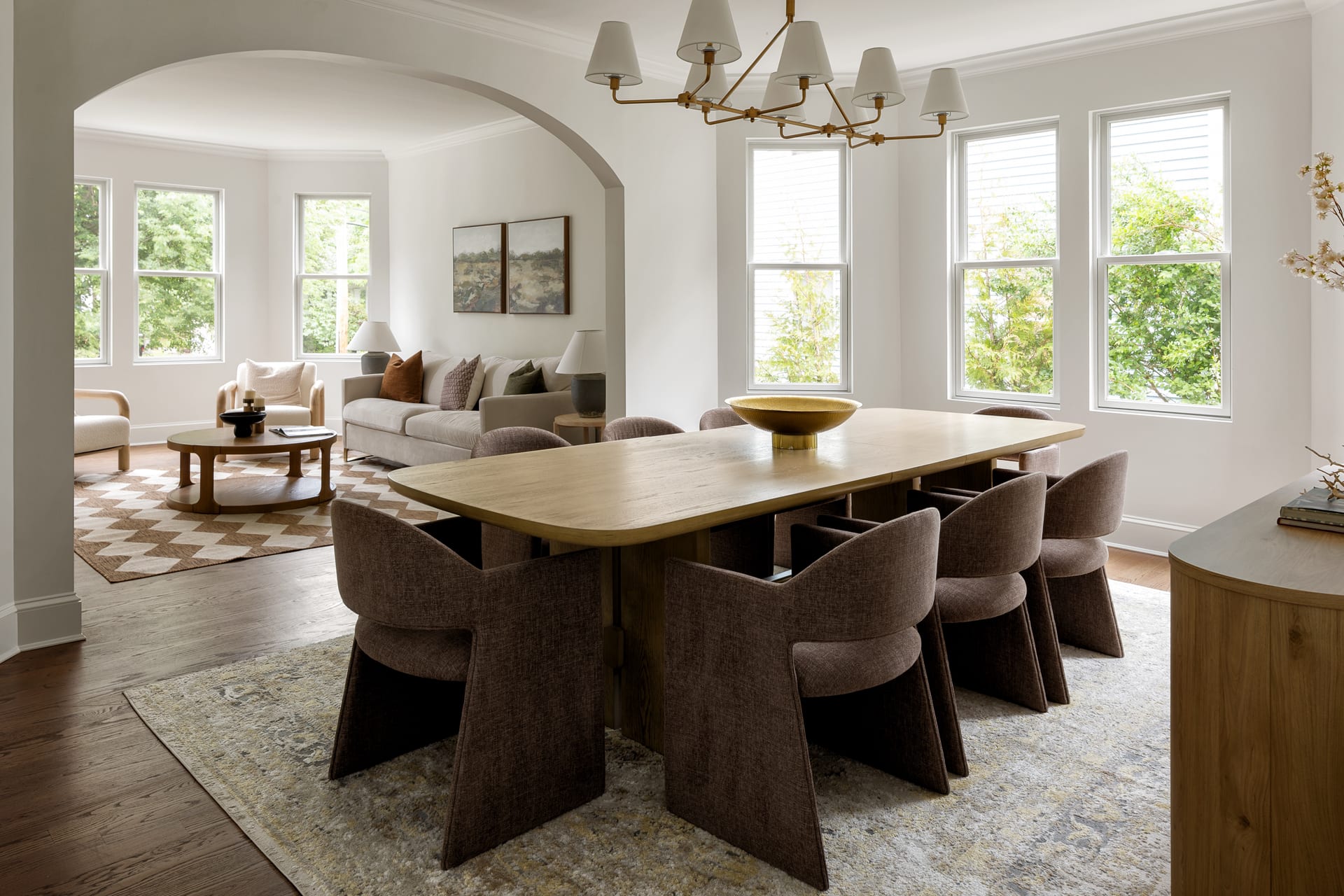
The most immediate use of a threshold is as a frame. Standing back and shooting through an opening places a soft architectural border around the subject beyond. The near walls fall into shadow, the far room receives the light, and the eye is drawn forward through the darker foreground into the brighter space. This layering creates depth that feels natural rather than constructed.
When composing this way, consider a few practical points:
- Align the camera so the threshold reads as a deliberate frame, not an accidental obstruction.
- Let the near opening remain slightly darker to lead the eye toward the lit interior.
- Watch the vertical edges of the door casing, keeping them true so the frame feels intentional.
- Allow a sliver of the foreground room to remain, giving the viewer a sense of where they stand.
Revealing the Plan Through the Opening
Beyond framing a single room, a threshold can disclose the logic of a whole floor. An enfilade, that classic alignment of doorways along a single axis, lets the eye travel through several rooms at once. Few interiors are built with such formal rigor anymore, but even a modest home often has two or three openings that loosely line up. Finding and honoring that line gives a photograph remarkable reach, drawing the viewer deep into the building in one continuous gesture.
Light at the Threshold
Thresholds are also where light changes. A doorway between a shaded hall and a sunlit room is a boundary of brightness as much as of space. This contrast is a gift to the photographer, but it demands care. The eye reads toward light, so a well lit room seen through a darker opening becomes an irresistible destination within the frame.
The challenge is dynamic range. When one side of a threshold is bright and the other is deep in shadow, a single exposure may struggle to hold both. Reading the light carefully, and often blending exposures, preserves detail in the dark casing while keeping the far room luminous and inviting. The goal is never a flat, evenly lit image but a controlled gradient that feels like arriving somewhere.
The eye always travels toward light, so a bright room glimpsed through a dim doorway becomes a destination the viewer cannot refuse.
Thresholds in Hospitality and Commercial Work
For hoteliers and the designers who serve them, thresholds carry particular weight. The passage from a corridor into a guest suite, from a lobby into a restaurant, from an interior into a courtyard, these are the moments a guest remembers. Photographing them well sells not just a room but an arrival, a sense of being welcomed into a considered sequence of spaces.
In retail and workplace interiors, the same principle applies. A threshold shot can connect a reception area to the working floor beyond, or a storefront to the goods within. It tells a brand story about openness, hierarchy, and movement. These images often outperform isolated room shots in marketing precisely because they suggest a journey rather than a static set piece.
For Builders and Realtors
Builders and realtors benefit from thresholds in a more practical sense. Buyers want to understand how a property connects. A photograph that shows the living room opening into the kitchen, or the primary suite flowing into an ensuite, answers the silent question every viewer has: how does this all fit together. Thoughtful threshold images reduce the uncertainty that keeps a listing from feeling complete.
Common Missteps
The threshold is powerful, but it is easy to mishandle. A few patterns to avoid:
- Cropping the opening so tightly that it feels like a keyhole rather than a passage.
- Letting the door casing cut awkwardly across a key element in the far room.
- Shooting through so many openings that the final room becomes a distant, unreadable smudge.
- Ignoring the floor, where a change of material at the threshold often provides the clearest cue of transition.
Restraint is the discipline here. One well chosen threshold does more than three stacked openings competing for attention. The most effective images use the device to clarify, not to complicate.
Seeing the Space Between
To photograph thresholds well is to stop thinking of rooms as separate subjects and start thinking of a building as a continuous experience. The opening between two spaces is not empty. It is charged with the architect’s intent, the designer’s choreography, the way a person will actually move through the day. When you give that transition its due in a photograph, the whole space feels more alive, more generous, and more true to the thinking behind it.
If you are preparing a space where the passage between rooms is part of its character, we would be glad to help you photograph it with intention; reach out to Matthew Lekker Photography to begin the conversation.
Add us as a preferred source on Google
Add as preferred source