The Case for Less
There is a temptation, when photographing a beautiful room, to include everything that makes it beautiful. The custom joinery, the considered lighting, the art, the view, the material choices that took months to resolve. The instinct is understandable. A great deal of work went into the space, and the image feels obligated to honor all of it at once. Yet the photographs that linger in memory are rarely the ones that show the most. They are the ones that leave something out.
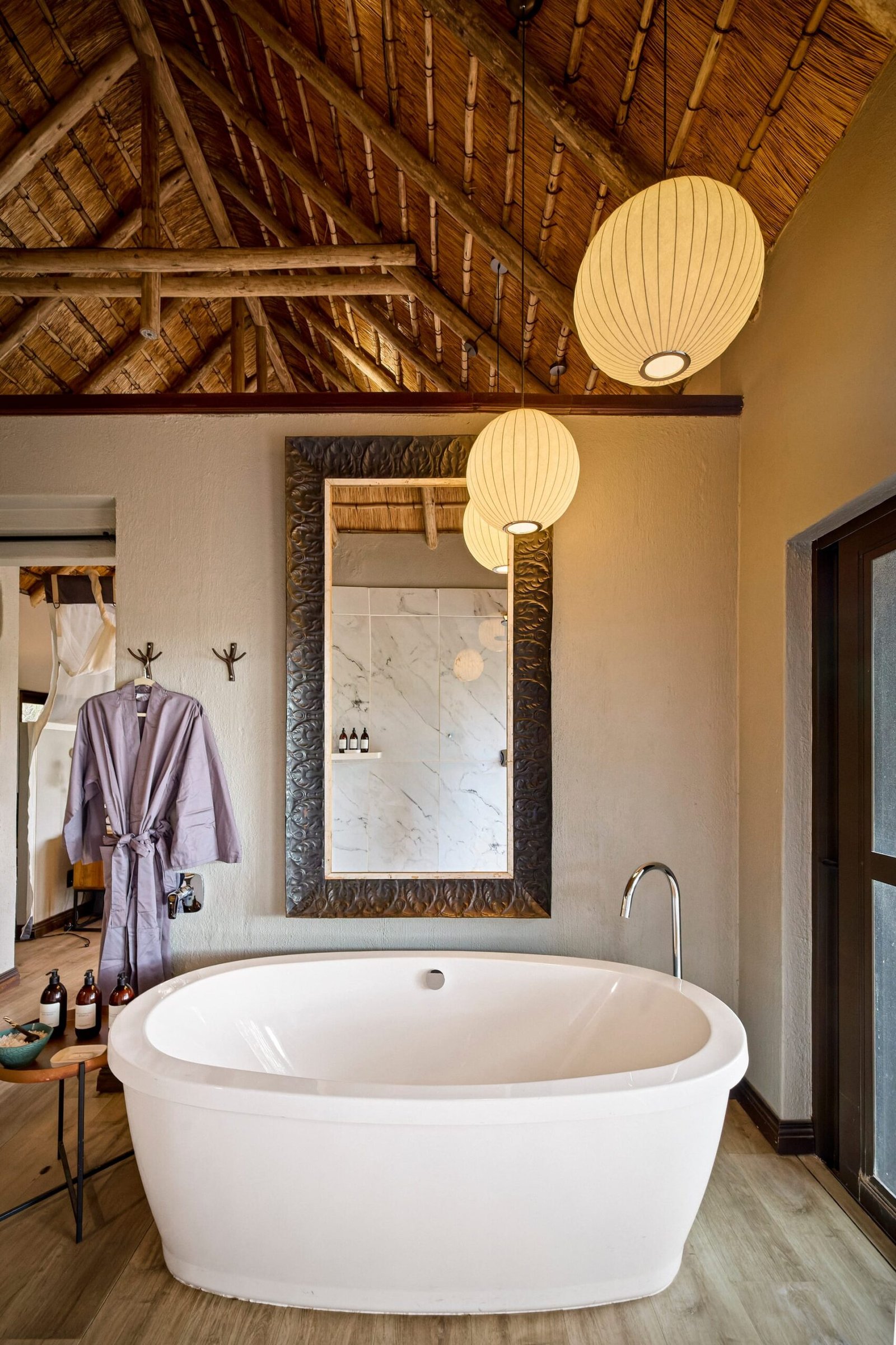
Negative space, the quiet area around and between the subjects of a frame, is one of the most undervalued tools in architectural photography. It is not absence. It is the deliberate presence of nothing, placed so that something else can be seen clearly. A wall left mostly bare, a stretch of floor uninterrupted, a margin of sky above a roofline. These are not wasted areas. They are the breathing room that lets the eye rest and, in resting, understand.
Negative space is not the absence of subject but the condition that makes a subject legible.
What Emptiness Does for the Eye
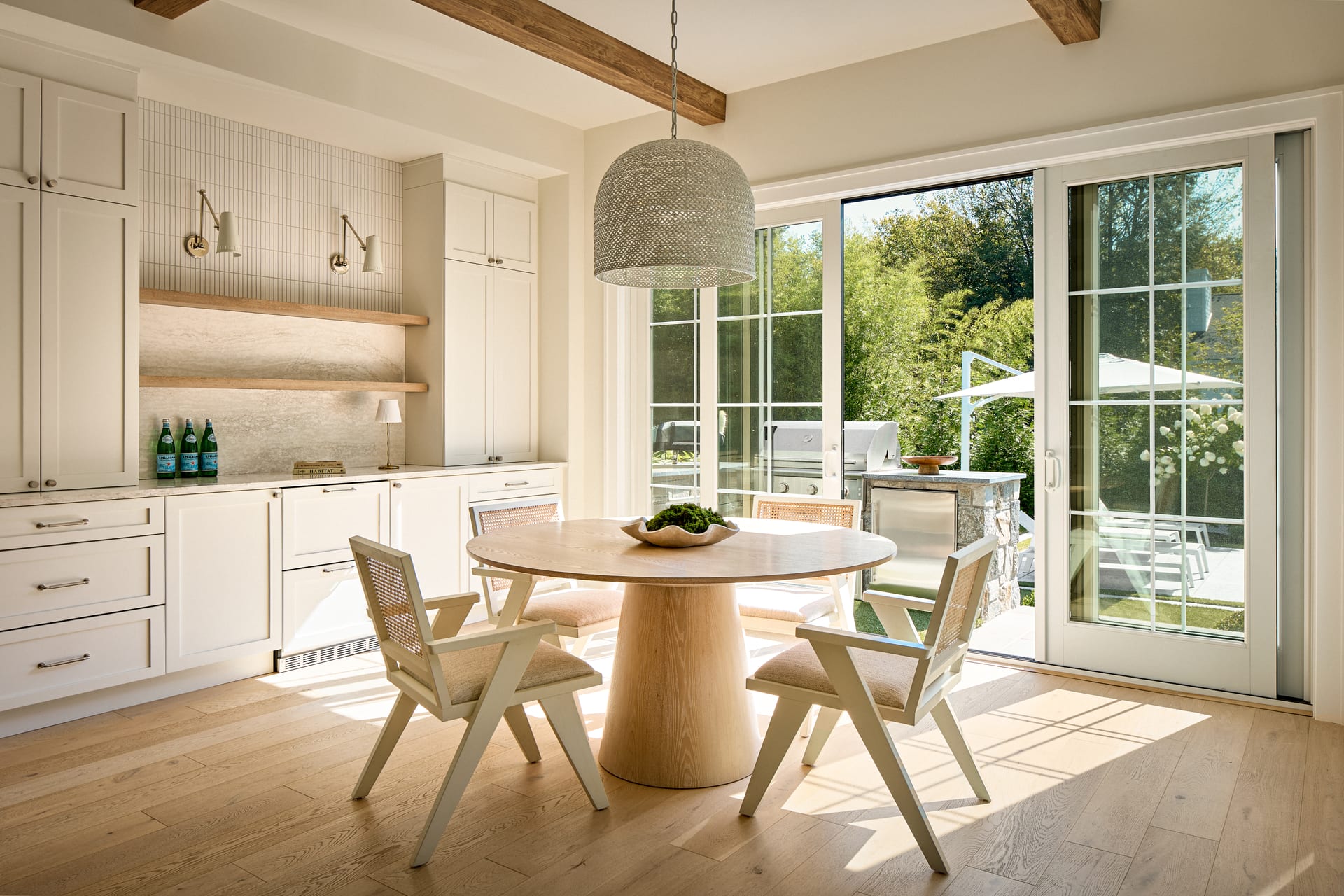
A room photographed edge to edge, full of competing detail, asks the viewer to work. The eye darts, searching for where it should land, and finds no invitation to pause. A photograph that includes open space does the opposite. It guides. The emptiness becomes a frame within the frame, isolating the thing that matters and granting it importance by contrast.
This is particularly true in interior photography, where the risk of visual clutter is constant. A dining table surrounded by a generous expanse of floor reads as considered and calm. The same table pressed against the edges of the frame reads as crowded, regardless of how elegant the furniture may be. The space around an object communicates how we are meant to feel about the object itself.
Emptiness as a Signal of Quality
There is a cultural association, deeply held in design, between restraint and value. A boutique hotel lobby with a single sculptural chair in a wide, quiet room signals luxury far more effectively than a lobby filled with seating. The empty floor is not underused. It is the message. Photography that respects this principle does more than document the space. It reinforces the design philosophy behind it.
For hoteliers and interior designers, this matters commercially. The feeling of spaciousness is one of the clearest markers of a premium experience, and it is also one of the easiest to lose in a photograph. A wide lens crammed with detail can make even a generous room feel tight. A disciplined composition with intentional negative space preserves the sense of air that the space was designed to offer.
Finding the Space Within the Frame
Negative space is not found by accident. It is composed. The work begins with deciding what the single subject of an image will be, and then protecting it from everything that would compete for attention.
- Isolate before you include. Identify the one element the photograph exists to show, then ask what can be removed without weakening it.
- Watch the margins. The edges of the frame are where crowding usually begins. A little room between the subject and the edge changes the entire reading of an image.
- Let surfaces stay plain. An uninterrupted wall or a clean run of floor is not a flaw to be filled. It is a choice that gives the composition its calm.
- Use height as space. In rooms with tall ceilings, the area above the furniture is active negative space. It conveys volume that a lower crop would discard.
The discipline here is subtractive. Where much of photography is about gathering, this is about releasing. The photographer who can walk away from a compelling detail because it clutters the frame is often the one who produces the strongest final image.
The Relationship Between Space and Subject
Negative space only works in proportion to what it surrounds. Too little, and the subject feels pinned and anxious. Too much, and the subject can seem lost, as though the photographer could not decide what the image was about. The balance is a judgment made in the moment, informed by the mood the space is meant to convey.
A minimalist residence might call for expansive margins, where the emptiness is nearly the entire point. A richly layered interior might need only a small reserve of quiet to keep its density from becoming chaos. The amount of space is itself an expression of the design, and reading that correctly is part of the photographer’s craft.
The photographer who can walk away from a compelling detail is often the one who makes the strongest image.
Negative Space in Context
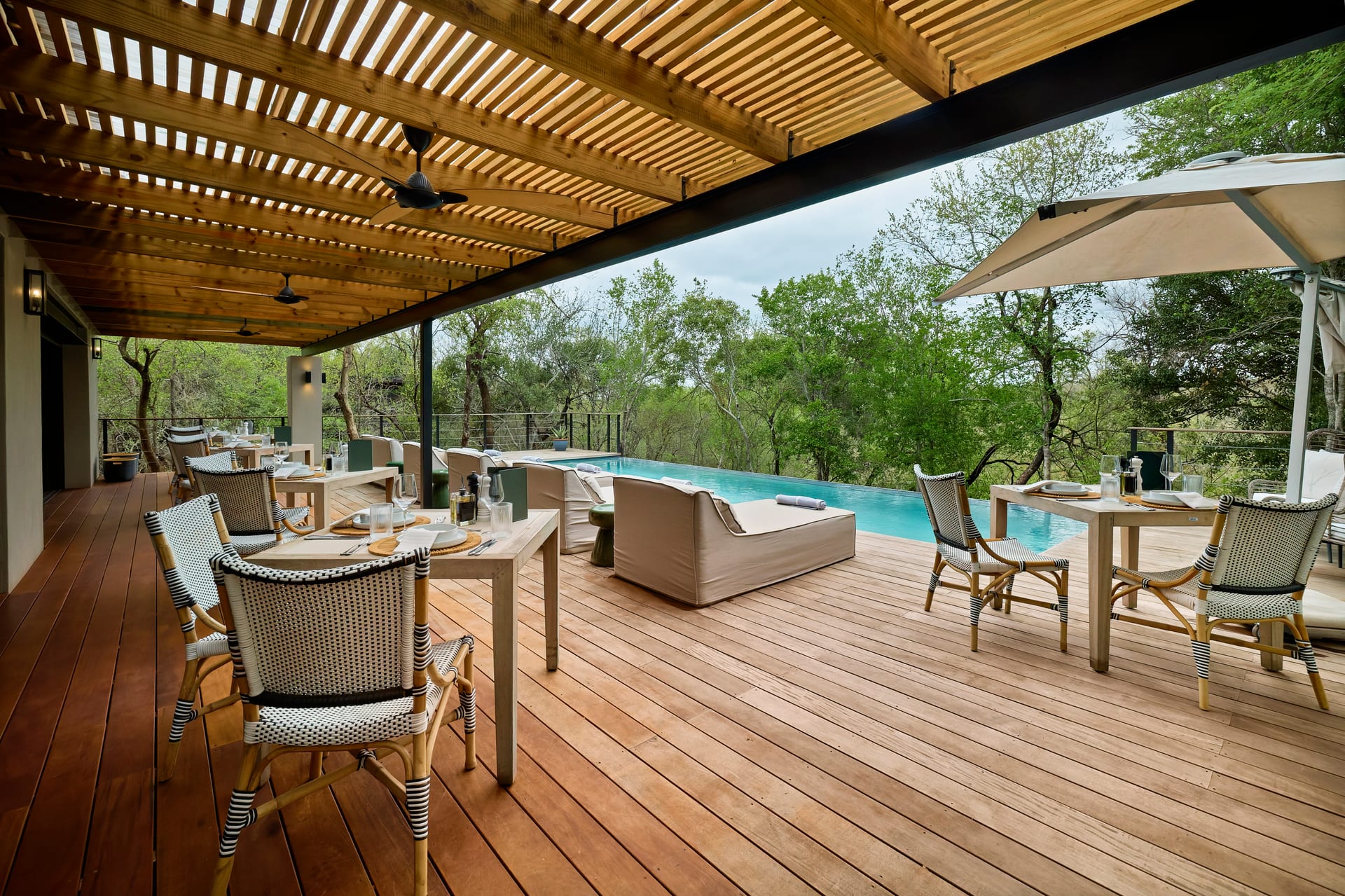
In architectural work, negative space often lives outside the building as much as inside it. The sky above a facade, the landscape surrounding a structure, the open ground that gives a building its stance. These margins establish the relationship between the architecture and its setting. A building photographed tight to its edges loses that relationship. A building granted space to sit within its context gains presence.
For builders and architects presenting completed work, this contextual breathing room carries meaning. It shows not only what was built but how it occupies its place. The emptiness around a structure is where its scale, siting, and ambition become readable.
Restraint as a Shared Language
Design professionals understand restraint instinctively. The best interiors edit relentlessly, removing anything that does not earn its presence. Photography that honors this principle speaks the same language as the work it documents. When a designer sees their space photographed with the same discipline they brought to designing it, the images feel true rather than merely accurate.
This alignment is what separates documentation from interpretation. A photograph that simply records every element is a record. A photograph that uses negative space to reveal intention is a reading of the space, and a far more persuasive one. It tells the viewer not just what is there, but what deserves their attention.
The Quiet That Carries Weight
Negative space asks for confidence. It requires trusting that an empty area will be read as deliberate rather than incomplete, and that the viewer will understand the pause as part of the composition. That confidence is well placed. The eye is drawn to clarity, and clarity is most often achieved by leaving things out.
For the professionals who commission architectural and interior photography, the lesson is simple. The images that best represent considered design are themselves considered. They give the work room to be seen, and in that room, the work speaks most clearly.
If you would like your spaces photographed with this kind of restraint and intention, Matthew Lekker Photography would be glad to hear from you.
Add us as a preferred source on Google
Add as preferred source