The Problem Every Reflective Surface Presents
Glass, water, and mirror are among the most honest materials in architecture and the most difficult to photograph. They do not sit quietly in a frame the way plaster or timber does. They double the room, borrow light from unexpected directions, and show the camera things the eye would rather ignore. For design professionals, these surfaces are often the whole point of a space: the floor-to-ceiling glazing that dissolves a wall, the reflecting pool that steadies a courtyard, the mirror that carries daylight into a windowless bath. Photographing them well means understanding that a reflection is not a flaw to be removed but a second composition layered over the first.
In architectural photography and interior photography alike, the difference between an image that feels considered and one that feels cluttered often comes down to how reflective surfaces were handled. A mirror that shows the tripod, a window that throws a hot smear of sky across the glass, a pool that reflects nothing but grey overcast: these are the quiet failures that undermine otherwise strong work.
Reading What the Surface Returns
Before anything is composed, the surface has to be read. Every pane of glass and every still pool is answering a question about its surroundings. Point the camera at it from one position and it returns the ceiling; move a metre and it returns the garden. The reflection is entirely dependent on the angle of view, which means it is one of the few elements in a room the photographer can actively author simply by choosing where to stand.
A reflection is not a flaw to be removed but a second composition layered over the first.
This is where patience pays. When a reflective surface appears in frame, ask what it is currently showing, and whether that content strengthens or weakens the image. A window that reflects a well-composed slice of the room can reinforce the sense of depth. The same window reflecting a cluttered corner, a light stand, or a blown-out sky does the opposite. The surface is not neutral. It is editorial, and it should be edited.
Three surfaces, three behaviours
- Glass is partially transparent, so it layers an interior reflection over an exterior view. The balance between the two shifts with the relative brightness on each side.
- Water behaves like a dim, slightly textured mirror that responds to wind, debris, and the smallest change in camera height.
- Mirror is the most literal of the three. It returns the room with full fidelity, which means it will faithfully return the camera as well unless the angle is managed.
Glass and the Balance of Two Scenes
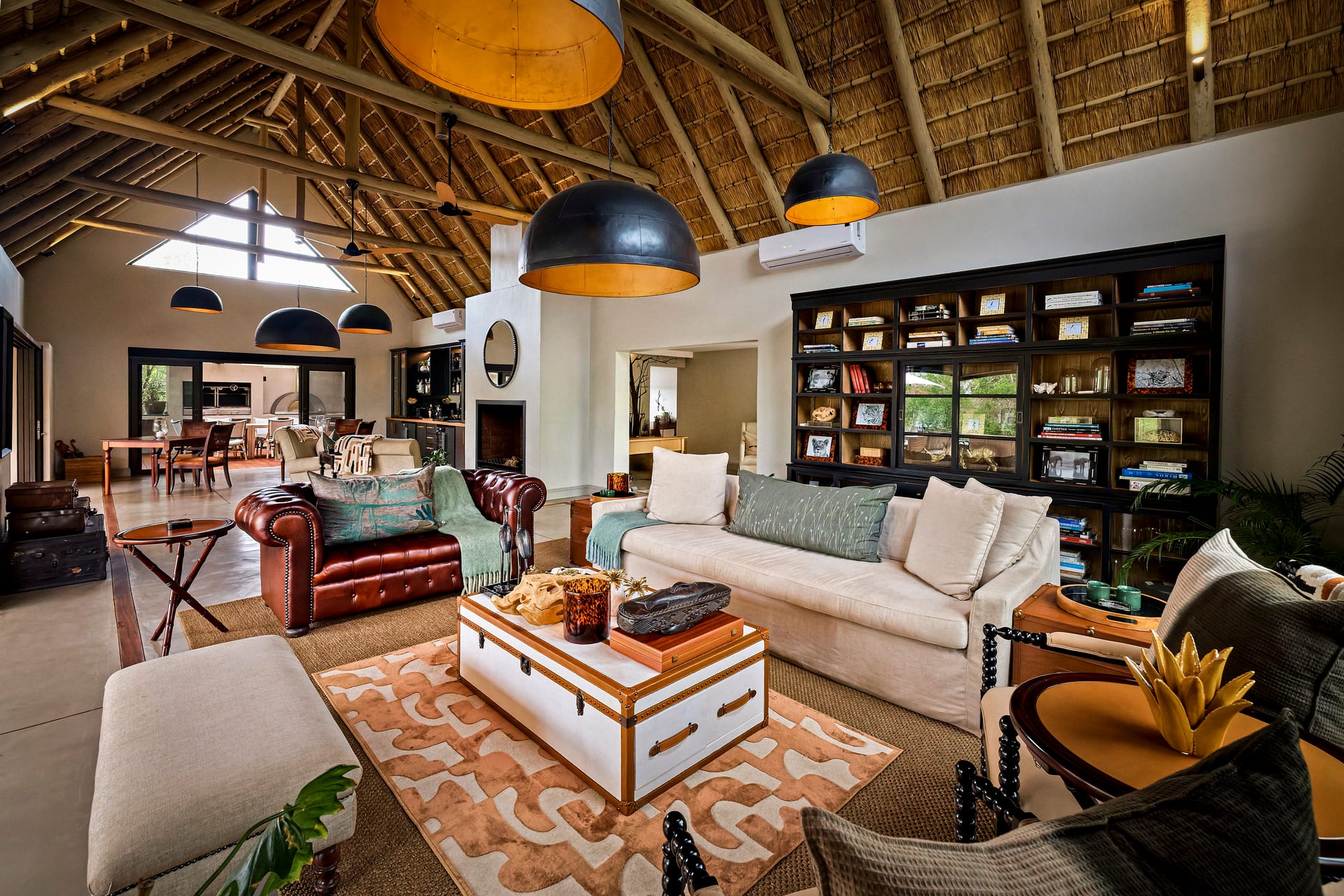
Glazing is the material that most often defines contemporary architecture, and it is the hardest to resolve because it holds two images at once. During daylight, a window shows the outside clearly and the inside faintly. As interior light rises and exterior light falls, the glass begins to mirror the room instead. The transitional window just after sunset, when inside and outside read at similar brightness, is one of the most valuable moments in architectural photography because the glass becomes legible in both directions.
For interiors, the practical decision is which scene the glass should favour. If the view is the asset, expose for it and accept that the room will darken. If the room is the subject, allow the glazing to carry a soft reflection rather than a distracting view. Attempting to hold both at full strength in a single exposure usually produces a flat, confused result. The strongest images commit to a hierarchy.
Water and the Discipline of Stillness
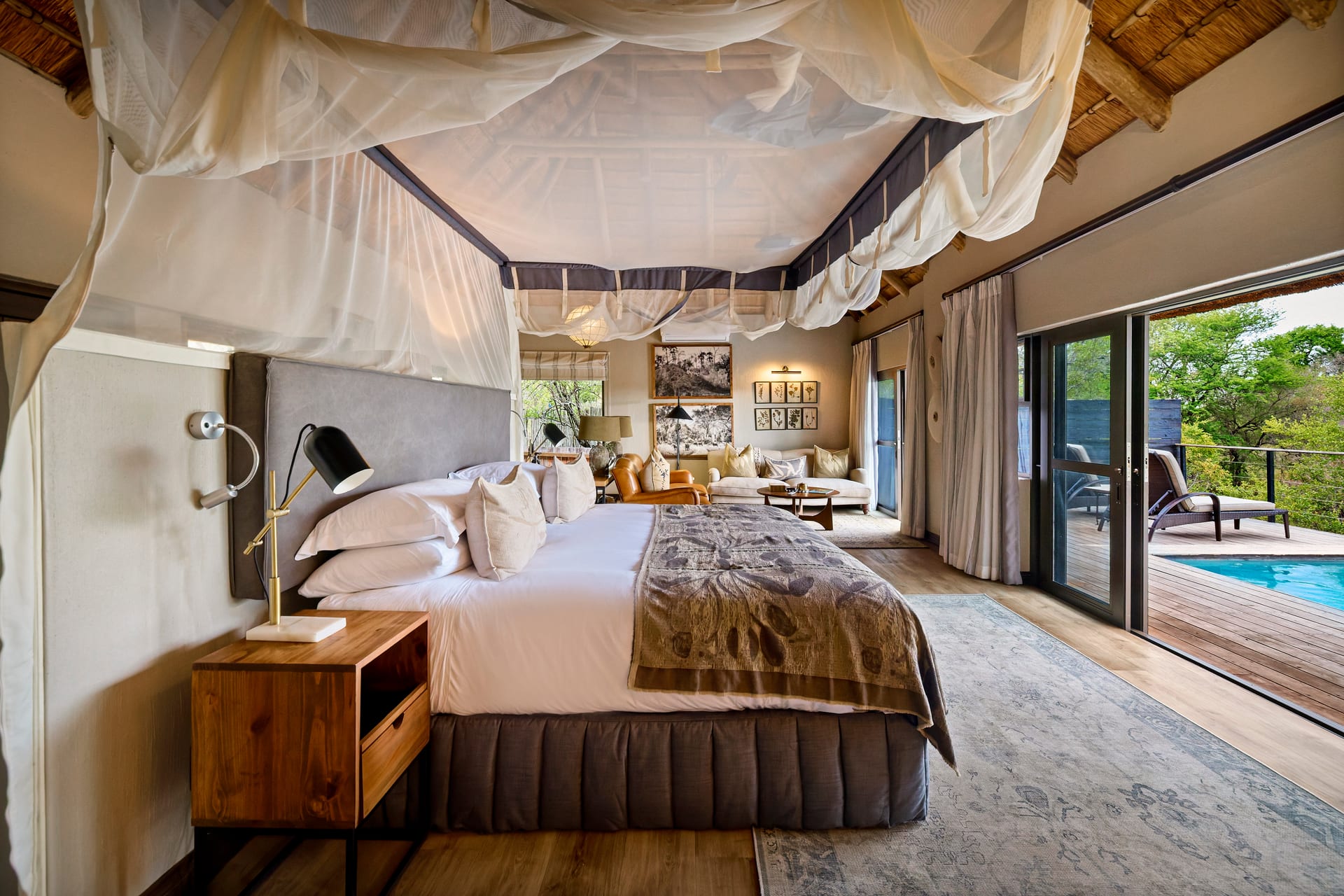
A reflecting pool, a spa, or a coastal infinity edge can give an image its calm centre. Water rewards two things above all: a low camera position and genuine stillness. Lowering the camera increases the amount of reflection the surface returns, which is why the most striking water shots in hospitality photography are often taken from close to the waterline rather than from standing height.
Stillness is the harder discipline. The eye forgives a gently rippled surface, but the camera records every disturbance. Shooting early, before guests, staff, or wind arrive, often means the difference between a mirror and a muddle. When the surface is calm, the reflection can be used to double a facade, repeat a colonnade, or extend a sky, turning a single architectural gesture into a symmetrical composition that feels inevitable.
Mirror and the Vanishing Photographer
Mirrors are where technique becomes most visible, because a carelessly placed mirror shows the entire apparatus of the shoot. The goal is almost always for the mirror to return something intentional: a shaft of daylight, a considered corner, a glimpse of an adjoining room that deepens the sense of plan. The camera and tripod should not appear.
This is managed by angle rather than by luck. A mirror reflects along a predictable line, so the camera can usually be positioned just outside that line while still showing the mirror obliquely. Shooting a mirror slightly off-axis, rather than straight on, keeps the equipment out of frame and gives the reflection a more natural, layered quality.
The surface is not neutral; it is editorial, and it should be edited.
For interior designers, mirrors are often placed precisely to expand a room or bounce light, and the photograph should honour that intent. A well-angled frame lets the viewer understand why the mirror is there, rather than treating it as a visual accident.
A Working Checklist
When reflective surfaces appear in a space, a short sequence of questions keeps the image disciplined:
- What is the surface currently reflecting, and does it help the composition?
- Can the camera position change the reflection into something better?
- For glass, which scene should take priority, the view or the room?
- For water, is the surface as still as it can be, and is the camera low enough?
- For mirror, is the camera outside the line of its own reflection?
None of this requires elaborate equipment. It requires reading the surface before committing to the frame, and recognising that reflective materials are collaborators rather than obstacles. Handled with attention, glass, water, and mirror give an interior or a building a second life inside the photograph, deepening space, multiplying light, and revealing the care with which the room was conceived.
If you are preparing to photograph a project where glass, water, or mirror play a defining role, we would welcome the conversation at Matthew Lekker Photography.
Add us as a preferred source on Google
Add as preferred source