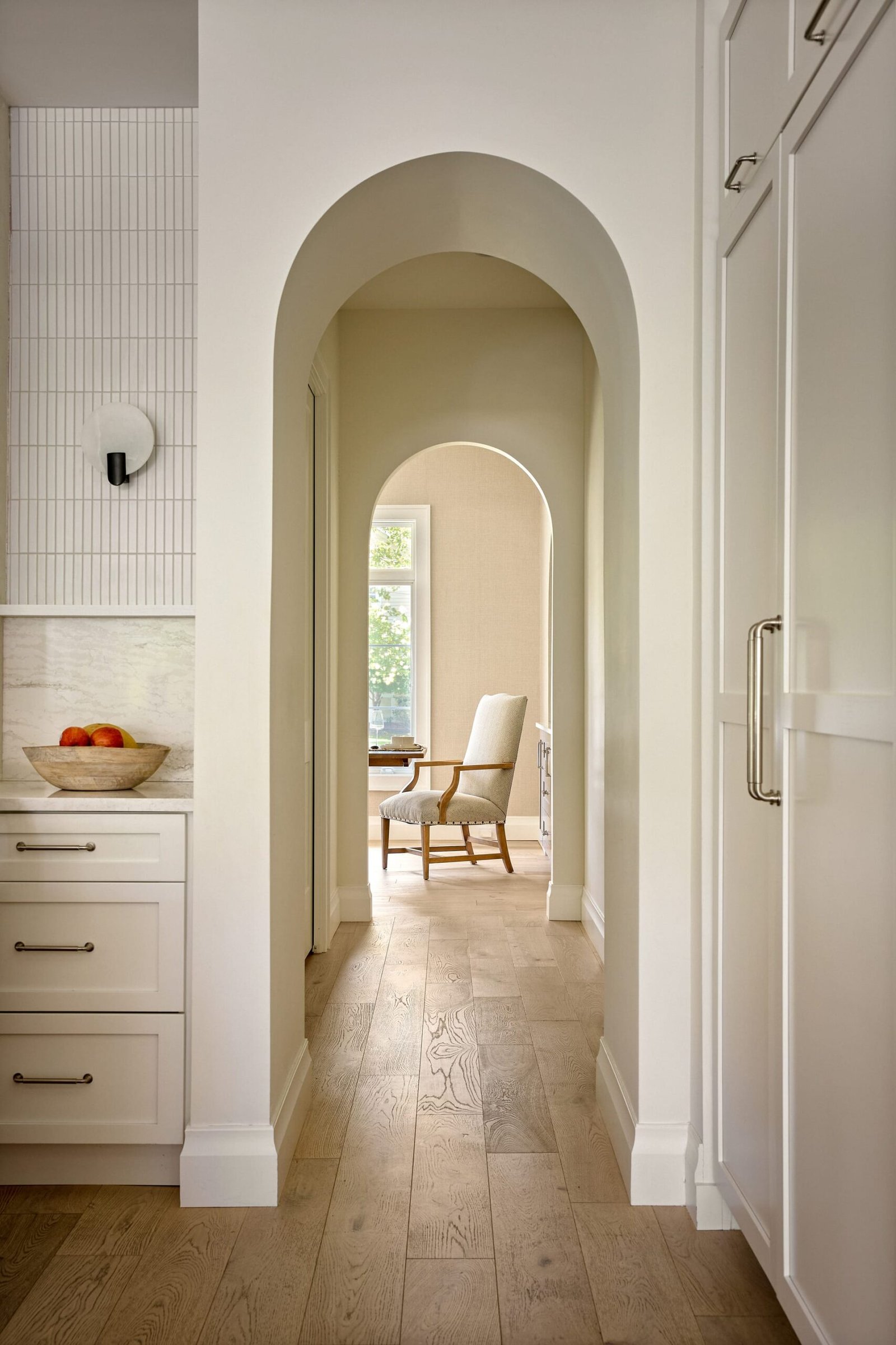
Why Order Is Its Own Craft
Much of what we discuss about architectural photography concerns the individual frame: where the camera stands, where the light falls, where the edge of the image lands. These decisions matter enormously. But a project is rarely experienced as a single picture. It is experienced as a set, a scroll, a spread, a gallery. The order in which images arrive is a decision in itself, and it quietly governs how a space is understood.
A room photographed with care will communicate its qualities. A sequence of rooms, arranged with intention, communicates something larger: the logic of a building, the rhythm of a design, the feeling of moving through a place. For architects, interior designers, builders, and hoteliers, the sequence is often where a portfolio succeeds or falls flat. The pictures may each be strong, yet the story between them can feel disjointed, repetitive, or arbitrary.
A single photograph shows a room, but a well-ordered sequence tells the story of a place.
Interior photography and architectural photography are frequently delivered as a batch of files, left for the client to arrange. This is a missed opportunity. The order is not an afterthought to the shoot; it is part of the authorship of the project’s visual record.
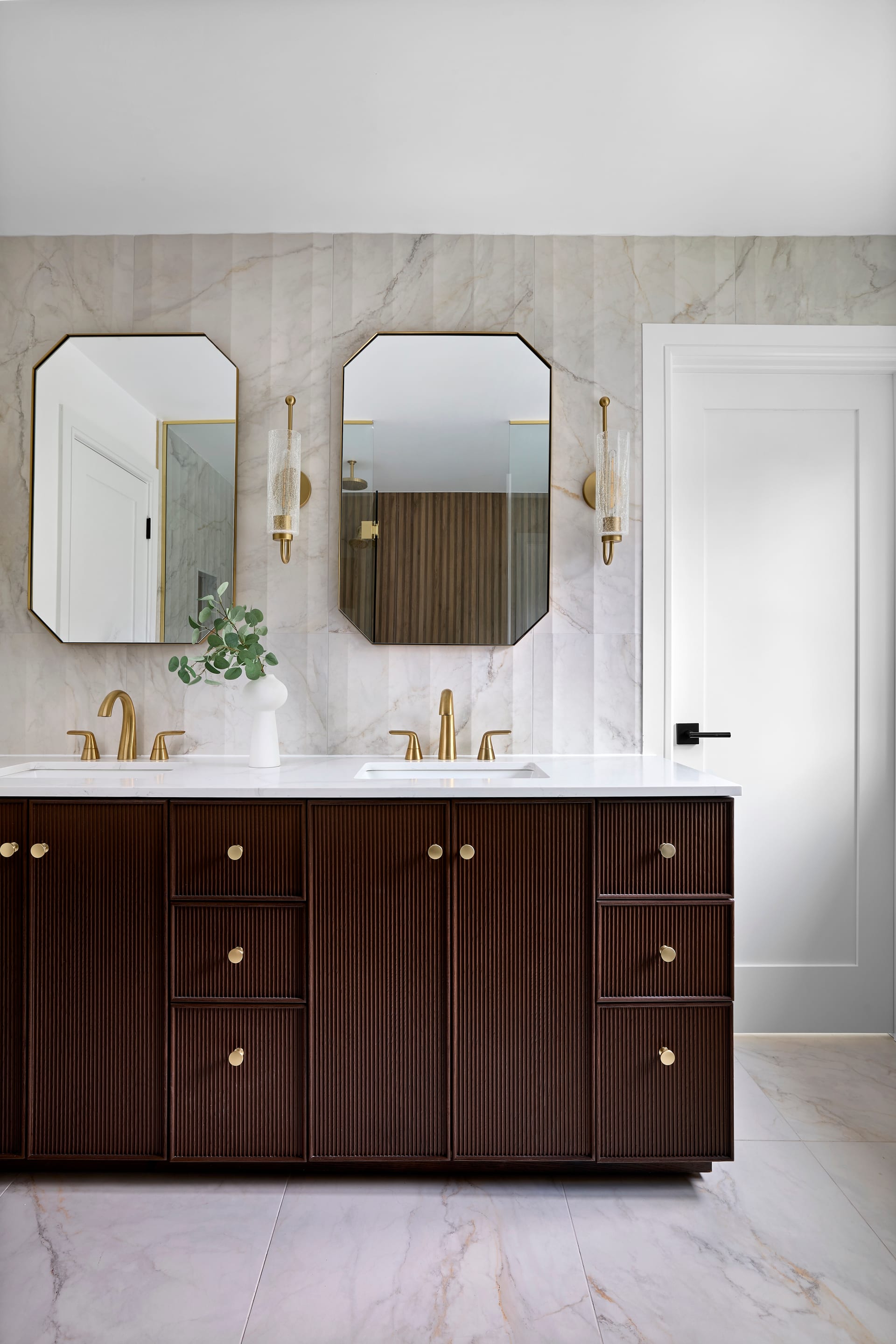
The Grammar of a Set
A good sequence behaves like a sentence. It has an opening that establishes, a middle that develops, and a close that resolves. When images are strung together without this structure, the viewer senses something is off even if they cannot name it.
The Establishing Frame
The first image sets the terms of everything that follows. It is usually the widest or most characteristic view, the one that answers the quiet question every viewer brings: where am I, and what kind of place is this. An establishing frame does not need to show everything. It needs to orient. For a hotel, this might be the arrival or the lobby. For a house, the primary living space or the façade in its setting.
The Developing Frames
Once a viewer is oriented, the middle of the sequence can move with more freedom. This is where detail, material, and transition do their work. The rhythm here matters: alternating wide and close, light and shadow, open and intimate, keeps attention alive. A run of five similar wide shots flattens interest. A considered alternation creates momentum.
- Move from the general to the specific, then back out again.
- Follow the natural path a person would take through the space.
- Let a detail shot answer a question raised by the wide shot before it.
- Vary focal register so no two adjacent images feel like the same photograph.
The Closing Frame
The last image lingers. It is the note the viewer carries away. Often it is quieter than the opening: a corner at dusk, a material detail, a view out to the landscape. The close should feel like a resolution rather than an abrupt stop, the way a well-designed building sees you out as deliberately as it welcomes you in.
Honoring the Architecture’s Own Logic
The strongest sequences borrow their structure from the building itself. Architecture already contains a sequence: approach, entry, threshold, circulation, arrival. A photographic set that respects this choreography will feel inevitable rather than assembled.
This is why scouting and sequencing are connected. When photographing a project, it helps to ask how a person actually encounters the space. Where does the eye go first on arrival. Which room is the destination. What is the moment the design is building toward. These questions shape not only where the camera stands but how the images are later ordered.
The building already contains a sequence, and the photographer’s task is to listen for it rather than impose one.
For a boutique hotel, the guest journey is the natural spine: the exterior, the entrance, the public rooms, the guest room, the detail that makes the stay memorable. For a residence, it might follow the way light moves through the day, or the path from the most public spaces to the most private. The point is that an organizing principle exists before the images are arranged, and the best sequences find it.
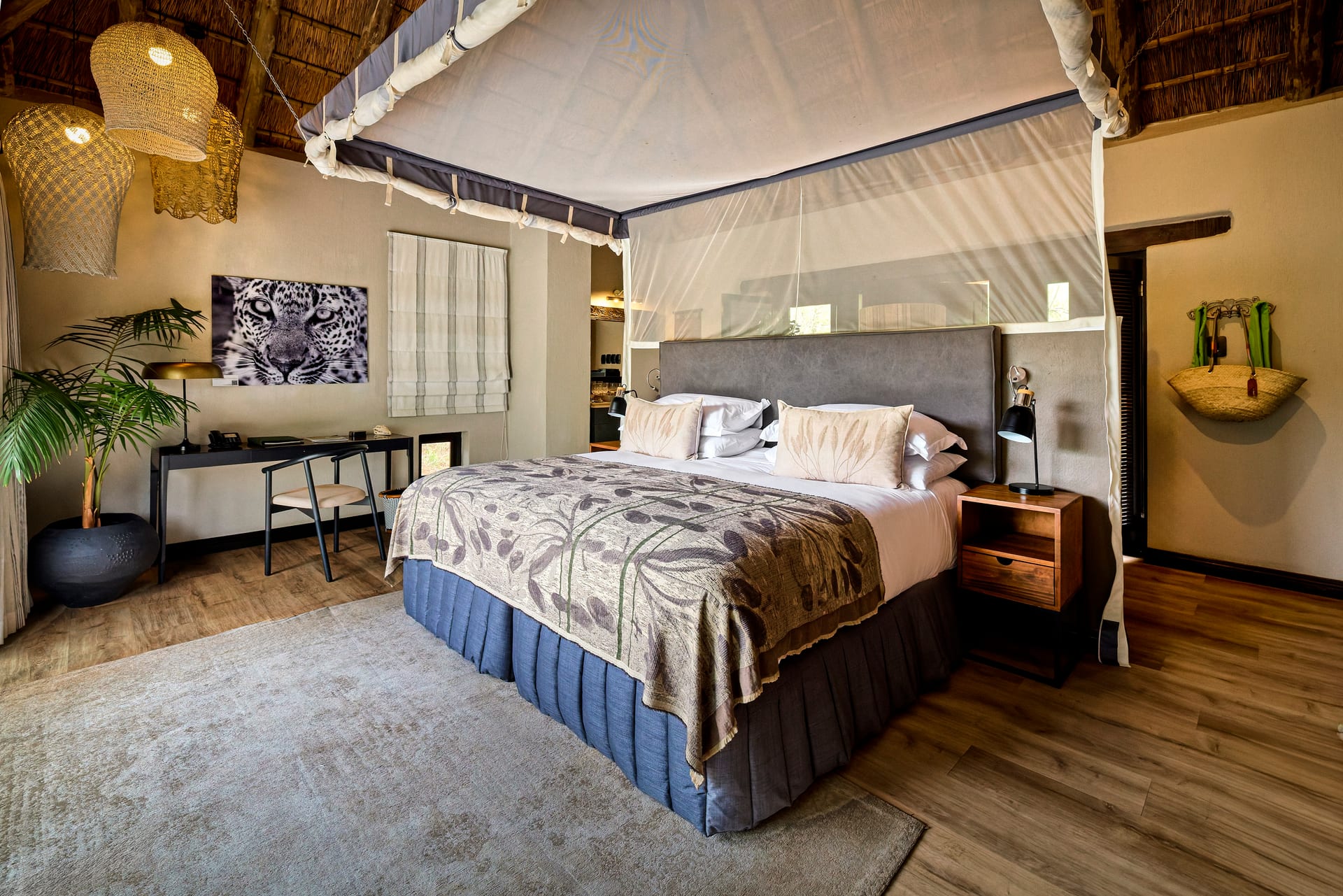
Pacing, Repetition, and Rest
A sequence has tempo. Some images are meant to be read quickly, others to be dwelt upon. A dense, detailed interior shot asks for more time than a clean architectural elevation. Placing two demanding images side by side can fatigue the viewer; placing a quiet frame between them gives the eye a place to rest.
Repetition is the most common failure in a portfolio set. Three photographs of the same kitchen from slightly different angles rarely strengthen a project. They dilute it. One decisive image almost always serves better than several hesitant ones. Editing down is an act of confidence, and it is central to how a sequence reads as intentional.
Practical Principles for Ordering a Set
- Open with the image that best answers where am I.
- Group by space or by narrative, not by the order the files were captured.
- Avoid placing two near-identical compositions next to each other.
- Use detail shots to punctuate, not to pad.
- Let scale and mood shift from frame to frame to sustain attention.
- Close on an image that feels like a conclusion.
Where the Sequence Lives
The right order also depends on where the images will appear. A website gallery scrolls vertically and rewards rhythm and variation. A printed brochure works in spreads, where facing pages speak to one another and pairing becomes its own design decision. A social feed is read in reverse and in fragments, which changes how the opening and closing frames function.
Design professionals who think about these contexts in advance get more from a single shoot. The same set of photographs can be sequenced differently for a press feature, an awards submission, and a listing, each ordering emphasizing a different strength of the project.
The Quiet Authority of a Considered Set
When a sequence is right, it does not call attention to itself. The viewer simply feels they understand the place, as though they had walked through it. That feeling is not accidental. It is the result of decisions made about which image comes first, which comes last, and how the ones between carry the eye forward. Architectural and interior photography reaches its full value not when each frame is strong in isolation, but when the frames are arranged to tell the truth of a space in the right order.
If you would like your next project photographed and sequenced with this level of intention, you are warmly invited to get in touch with Matthew Lekker Photography.
Add us as a preferred source on Google
Add as preferred source