The Sky as a Collaborator
Every exterior photograph is a negotiation with the sky. A building does not change from one day to the next, but the light falling on it does, and that light arrives through weather. Cloud cover, haze, rain, and the clarity that follows a storm each lend a facade a different character. In architectural photography, the weather is not an obstacle to be waited out. It is a collaborator whose moods can be read, anticipated, and used.
Design professionals often assume that a bright, cloudless day is the ideal condition for photographing a building. It rarely is. Hard sun carves deep, unforgiving shadows across a facade, blows out pale surfaces, and flattens the subtle modeling that gives a material its texture. The sky that serves a building best is usually more complicated than blue.
What Cloud Cover Actually Does
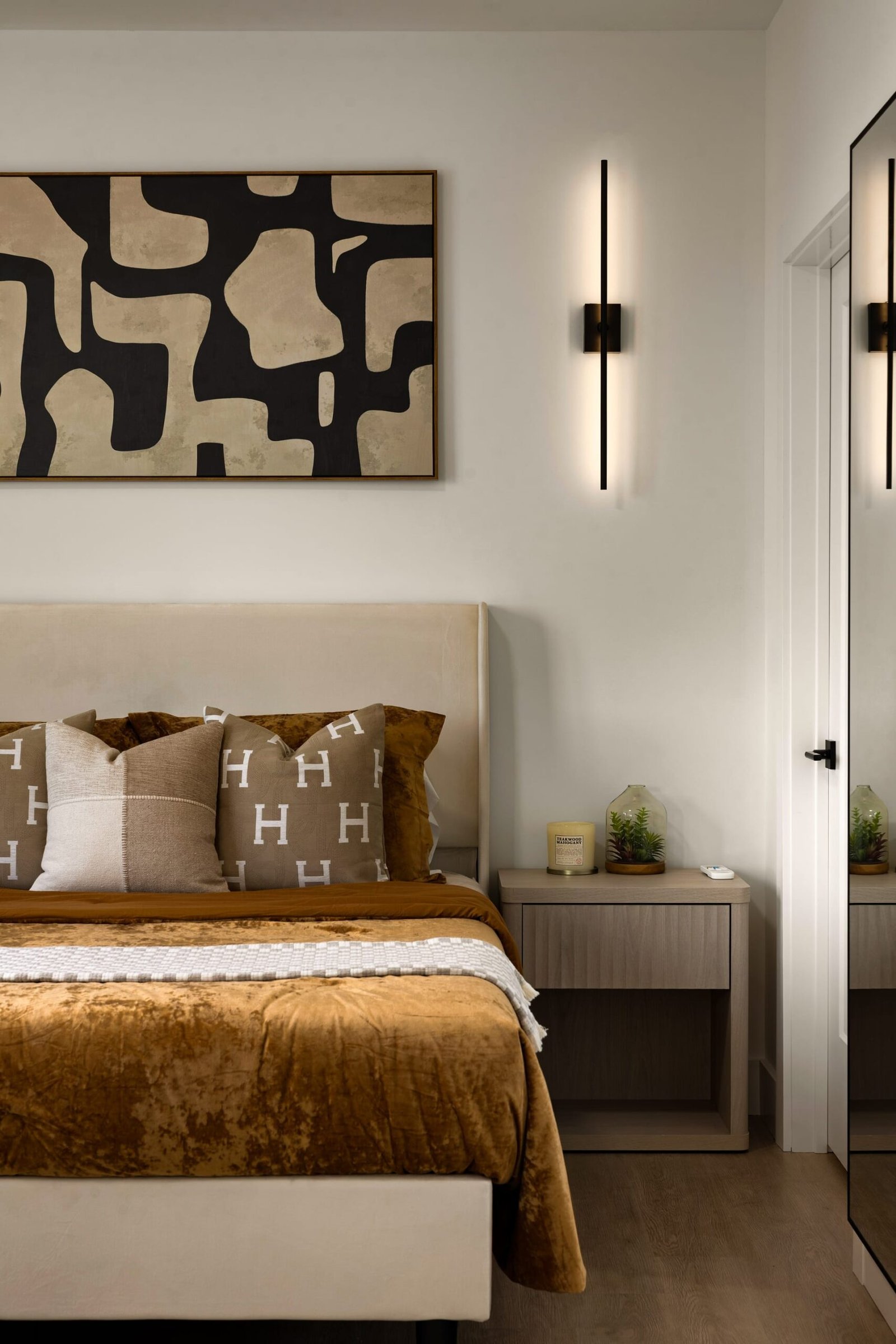
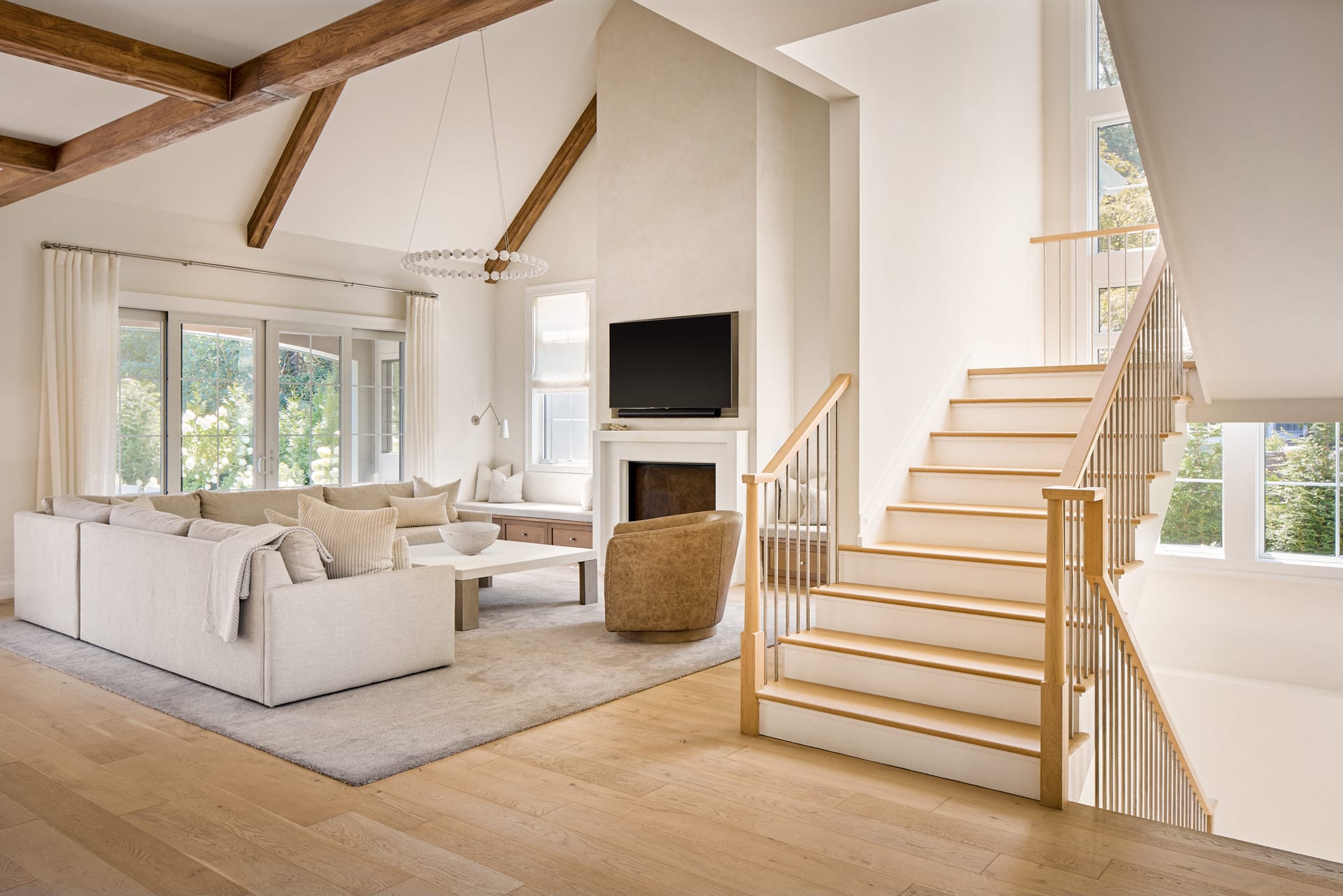
An overcast sky behaves like an enormous softbox. It wraps a building in diffuse, even light that reveals form without drama, and it is forgiving of high-contrast situations where glass meets masonry or deep overhangs meet bright paving. For interior photography shot toward windows, a layer of cloud tames the exterior so that a room and its view can be exposed together, rather than forcing a choice between a bright window and a legible interior.
But full overcast has a cost. It renders a white, featureless sky that can read as empty or lifeless above an otherwise strong composition. The most useful skies are often the transitional ones: broken cloud that gives shape and depth overhead while still softening the light on the building below.
The sky that serves a building best is usually more complicated than blue.
The Virtue of a Broken Sky
A sky with structure, with clouds that have edges and volume, gives a photograph a second subject. It introduces movement above the stillness of the architecture and a sense of place and season. For a building with a bold roofline or a strong silhouette, a dramatic sky can be the difference between a record shot and an image with presence.
Broken cloud also produces something rare and valuable: moving pools of light. As clouds drift, sunlight falls selectively, picking out one wing of a building while leaving another in shade, or catching a material just as the camera is ready. These moments cannot be scheduled, only waited for, and they reward patience more than any amount of equipment.
Rain, Mist, and the Overlooked Conditions
Few clients imagine their building photographed in the rain, yet wet weather offers possibilities that dry days cannot. Rain saturates color, darkens stone and timber into richness, and lays down reflective surfaces across paving, roads, and pools. A wet plaza mirrors the facade above it and doubles the architecture. Mist and fog, meanwhile, simplify a scene by erasing the background, isolating a structure and lending it quiet and scale.
These conditions ask for intention rather than avoidance. A few practical considerations help:
- Wet ground is an asset. Schedule a frame or two immediately after rain, while surfaces still hold their sheen.
- Mist flattens contrast, so a building needs a clear silhouette or a strong near element to anchor the image.
- Overcast drizzle is ideal for material close-ups, where even light and damp surfaces bring out texture.
- The sky after a storm, when clouds are breaking and air is clear, often produces the most memorable exterior light of all.
The Hour and the Weather Together
Weather and time of day work as a pair. A golden-hour sky means little behind a bank of flat cloud, while a mediocre position for the sun can be redeemed by a dramatic, textured sky above it. Reading both at once is part of the craft. The question is never simply when the sun sets, but what the sky will be doing when it does.
This is why a single scheduled shoot window is a fragile thing. A professional approach treats weather as a variable to plan around, building in flexibility so that a facade can be captured under the conditions that suit it rather than the conditions that happen to fall on an appointment.
The question is never simply when the sun sets, but what the sky will be doing when it does.
Planning Around an Unpredictable Sky
For architects, builders, and hoteliers commissioning architectural photography, understanding how weather shapes results changes how a shoot is briefed. The most useful thing a client can offer is latitude. A fixed date tied to a marketing deadline leaves the photographer at the mercy of whatever sky arrives. A flexible window, even a day or two of margin, allows the building to be photographed at its best.
Matching Weather to the Building
Different projects call for different skies. A crisp, contemporary structure with clean planes and large glazing often benefits from a calm, broken sky and soft directional light. A rugged, textured building of stone or brick can carry a heavier, more dramatic sky. A boutique hotel selling atmosphere may be better served by the moody softness of mist or the warmth of a clearing evening than by a cloudless afternoon. Knowing which mood suits which property is part of translating a design into an image.
Interior work has its own weather logic. Gentle overcast is often preferable for interior photography, because it provides steady, controllable daylight through windows without the shifting hot spots that sun introduces across floors and furniture. A bright room photographed under moving cloud can change exposure from one frame to the next, complicating the careful balance a finished interior image requires.
Reading the Forecast as a Photographer
A forecast tells a photographer more than whether to bring a coat. Cloud percentage, wind, and the timing of fronts all shape the day’s possibilities. Wind clears haze and keeps clouds moving, which is often desirable. A passing front can deliver, in a single afternoon, the clearing light that makes an exterior sing. Learning to read these signals turns the weather from a source of anxiety into a tool, something to be used rather than endured.
The buildings we photograph are permanent, but the days we photograph them are not. The sky is the one element of an exterior image that can never be built, specified, or styled. It can only be understood and waited for, and that understanding separates a photograph that merely documents a building from one that gives it weather, mood, and life.
If you are planning a shoot and want your building captured under the sky that suits it best, Matthew Lekker Photography would be glad to talk it through with you.
Add us as a preferred source on Google
Add as preferred source