Why the Sky Is Part of the Composition
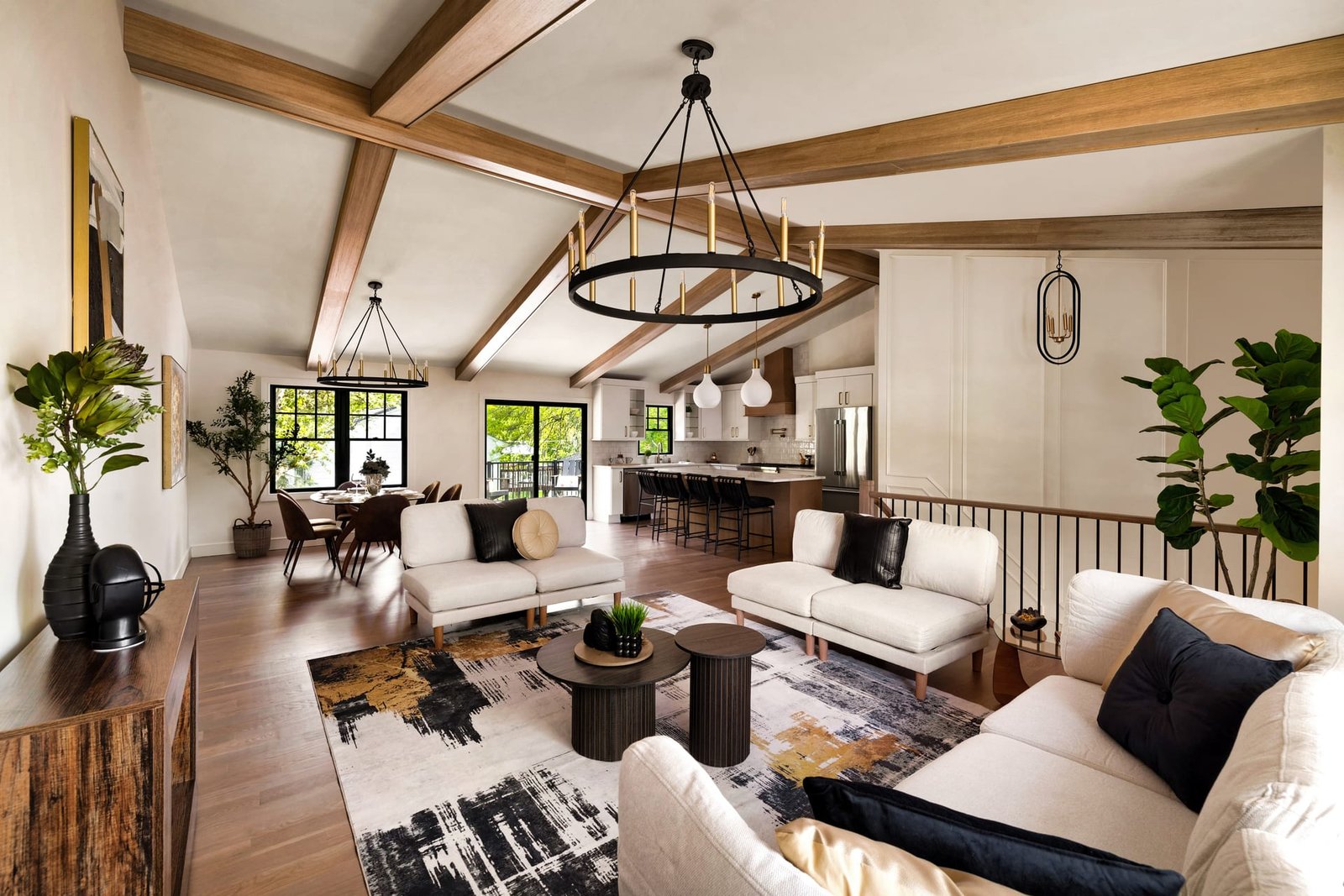
Every architectural photograph carries a sky, even when the sky is barely visible. It fills the windows of an interior, softens or hardens the shadows across a facade, and sets the emotional register of a building before a viewer has consciously registered anything at all. Weather is not a backdrop to architectural photography. It is a material as consequential as brick, glass, or timber, and it deserves the same measure of intention.
Design professionals often plan a shoot around availability and deadlines, treating the sky as whatever happens to arrive on the day. That approach works often enough, but it leaves a great deal to chance. A building conceived for crisp northern light photographs poorly under flat grey cloud. A warm, textural interior can turn cold and lifeless when the windows behind it fill with a bright, colorless overcast. Learning to read the sky, and to plan around it, is one of the quieter skills that separates a competent image from a considered one.

What Each Kind of Weather Gives You
Clear Skies and Direct Sun
Bright, cloudless conditions produce strong directional light and deep shadow. For architecture, this can be a gift: it reveals form, emphasizes depth, and gives a facade sculptural weight. Raking sunlight across a textured surface will describe every joint and grain in a way flat light never can.
The same conditions can be unforgiving indoors. Direct sun through a window creates high-contrast patches that the camera struggles to hold, blowing out the highlights while the corners of the room fall into darkness. Interior photography under hard sun usually means working with the light rather than against it, timing frames for when the sun has moved off a particular elevation, or embracing the shadow patterns as part of the composition.
Overcast and Diffused Light
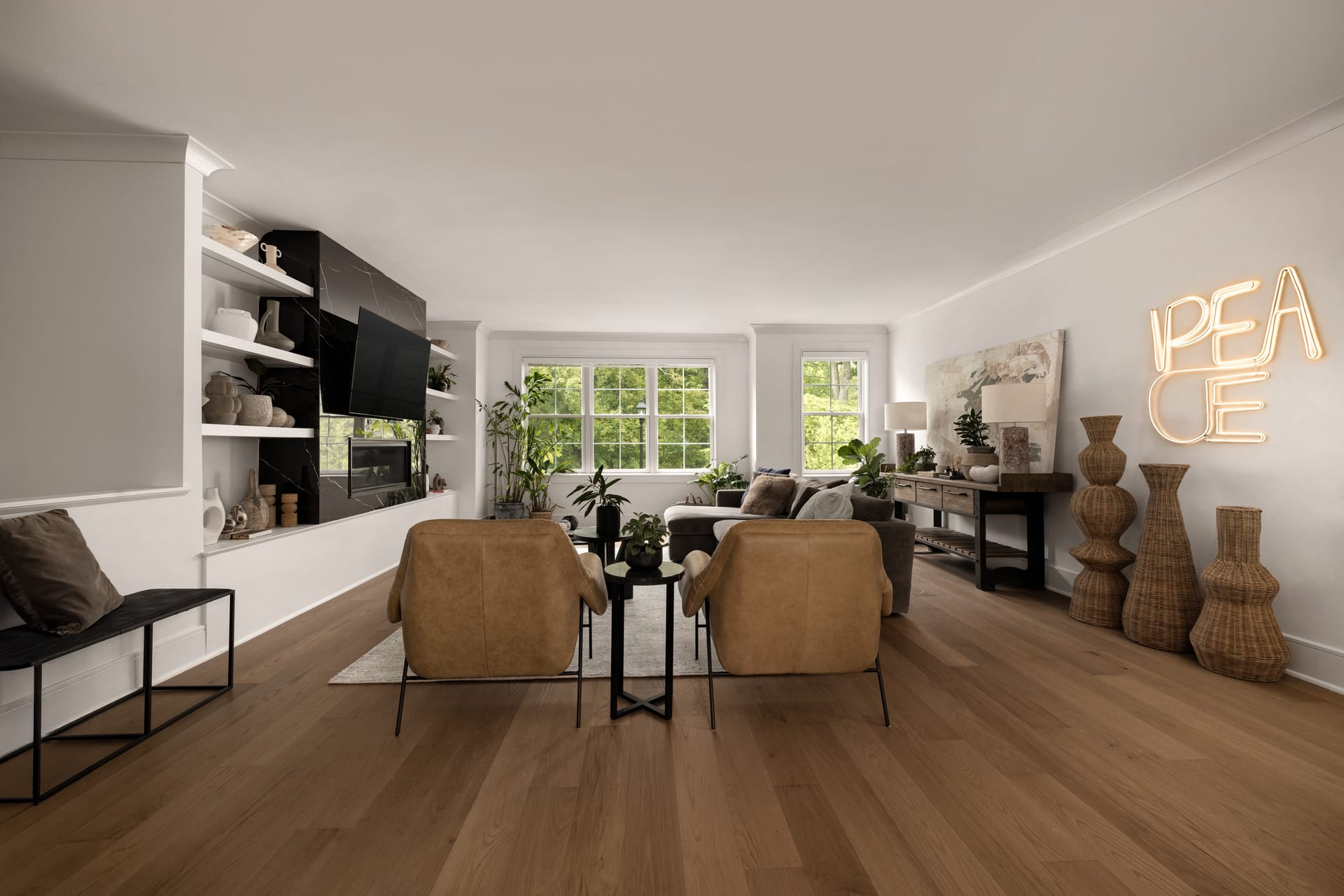
A high, even overcast is the interior photographer’s most reliable ally. It behaves like an enormous softbox, wrapping a room in gentle, shadowless light that renders color and material faithfully. Textiles read true, timber holds its warmth, and the dynamic range sits comfortably within what the camera can capture. Many of the calmest, most editorial interior images are made under skies that would disappoint a landscape photographer.
A high, even overcast is the interior photographer’s most reliable ally, behaving like an enormous softbox draped across the whole sky.
The caveat is exterior work. A featureless white sky flattens a facade and offers nothing behind the roofline. When the exterior matters, a plain overcast often calls for a return visit, or a twilight approach that lets artificial light carry the frame.
Broken Cloud
Scattered cloud is the most dynamic and the most demanding condition to work in. It offers moments of soft modeling followed by bursts of directional sun, and a sky with genuine depth and movement. It also demands patience. The light changes minute to minute, and the difference between a mediocre frame and a memorable one may be a matter of waiting for a single cloud to clear a corner of the building. For architectural photography, a sky with sculpted cloud can transform an ordinary elevation into something with atmosphere and presence.
Rain, Mist, and Snow
Difficult weather is not automatically bad weather. Wet paving reflects and doubles a facade. Mist compresses distance and isolates a building from its surroundings, lending quiet and mystery. Fresh snow simplifies a landscape into clean planes that flatter modern geometry. These conditions require care and often a degree of protection for equipment, but they can produce images no clear day could offer. The key is to know in advance whether a project calls for atmosphere or clarity.
The Season Beneath the Weather
Weather is momentary. Season is structural, and it shapes far more than temperature. The angle of the sun determines how light enters a building at any given hour, and that angle shifts dramatically across the year. A room that fills with warm afternoon light in October may sit in shadow through the summer months, when the sun climbs higher and passes to a different quarter of the sky.
Season also governs the setting. Bare winter trees reveal a facade that summer foliage conceals. A landscaped garden reaches its intended form only in certain months. For hoteliers and developers marketing a property, the season on display sends a message: a sunlit terrace speaks to one guest, a snow-dusted approach to another. Choosing the right season is a positioning decision as much as an aesthetic one.
- Spring and summer bring long days, high sun, and full landscaping, ideal for gardens, terraces, and exterior life.
- Autumn offers lower, warmer light and rich foliage color, flattering to both interiors and facades.
- Winter delivers short days but low, raking light that models architecture beautifully, along with early, convenient twilight.
Planning Around the Sky
The practical lesson is simple: build weather and season into the shoot brief rather than hoping for the best. That begins with an honest conversation about what each image needs to do. Exterior hero shots have strict requirements and benefit from flexible scheduling. Interior work is more forgiving and can often proceed under a wide range of conditions.
Weather is not a backdrop to architectural photography; it is a material as consequential as brick, glass, or timber.
A few habits make this manageable in practice:
- Identify which frames are weather-critical and which are not, so a partial day is never wasted.
- Watch forecasts across a window of several days and hold exteriors as movable within the plan.
- Note the sun’s path relative to each key elevation, and match shooting hours to it.
- Consider the season the project is being sold into, not simply the season it is convenient to shoot.
For a building of any significance, one visit rarely captures it at its best across every angle. A facade that faces east wants morning; one that faces west wants afternoon; the courtyard may only work at midday. Reading the sky means accepting that the ideal set of images sometimes lives across more than one moment, and planning accordingly.
The Discipline of Waiting
More than most parts of the craft, weather asks for patience and judgment rather than technique. The photographer who understands a project can look at an approaching front and know whether to press the shutter or wait an hour. That judgment protects the work from the tyranny of the calendar, where a shoot booked weeks in advance collides with a sky that refuses to cooperate. The goal is never to fight the weather into submission but to recognize what it offers and to use it deliberately.
Read this way, weather stops being an obstacle and becomes another instrument of intention, one more decision in service of showing a building or interior as it was meant to be seen.
If you are planning a project where the light and the season deserve real thought, Matthew Lekker Photography would be glad to talk it through with you.
Add us as a preferred source on Google
Add as preferred source