The Surface We Forget to Photograph
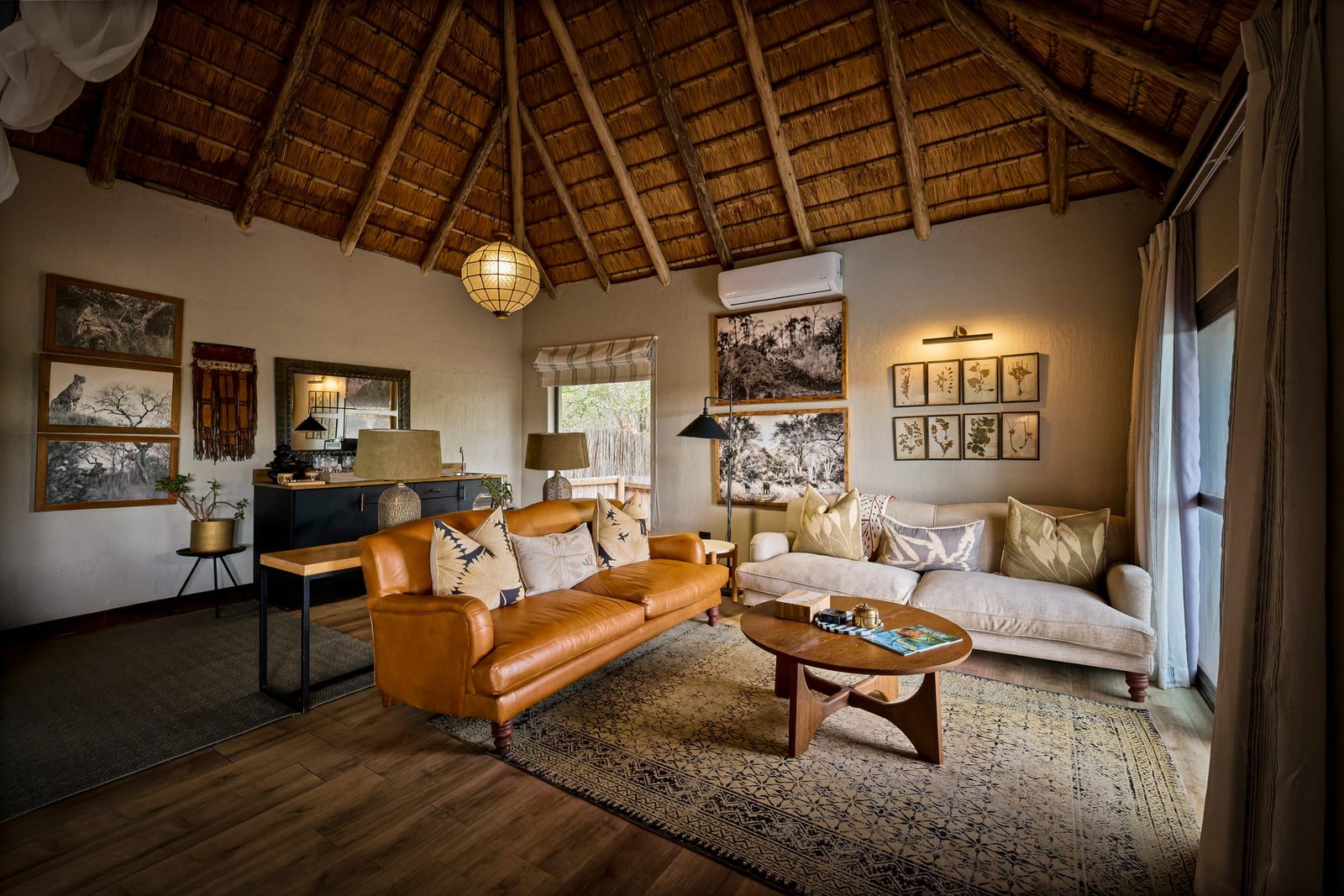
In most interior photography, three surfaces do the heavy lifting: the floor, the walls, and whatever furniture bridges them. The ceiling, meanwhile, tends to disappear. It sits above the frame, cropped away in the pursuit of a cleaner composition or a lower, more flattering camera height. Yet the ceiling is where a great deal of a room’s character actually lives. It carries the height, the light, the structural intent, and often the single detail that explains why a space feels the way it does.
For architects and interior designers, the ceiling is rarely an afterthought. Coffered plasterwork, exposed timber joists, a run of skylights, a vaulted volume, a considered lighting plan, the careful concealment of services behind a floating soffit. These decisions cost time and money, and they shape the experience of a room more than almost anything at eye level. When photography ignores them, it quietly discards part of the design story.
The ceiling is where a great deal of a room’s character lives, and cropping it away discards part of the design story.
Why the Ceiling Gets Cut
There are practical reasons the fifth surface so often goes missing. Including the ceiling usually means tilting the camera upward, which introduces converging vertical lines and distorts the geometry of the room. It can also expose a flat, featureless plane that adds nothing but empty space at the top of the frame. Faced with these problems, many photographers simply lower the horizon and leave the ceiling out entirely.
That instinct is sound when the ceiling has nothing to say. But in spaces where the ceiling is doing genuine work, the decision to exclude it should be deliberate rather than automatic. The question is not whether ceilings are difficult to photograph. It is whether this particular ceiling deserves to be seen.
Signs the Ceiling Belongs in the Frame
- The room draws its drama from height, such as a double-height atrium or a vaulted hall.
- The ceiling carries a defining material, like exposed structure, timber lining, or decorative plaster.
- Rooflights or clerestory windows are the primary source of daylight.
- The lighting design is architectural in itself, integrated into coves, reveals, or recessed lines.
- The ceiling geometry resolves the plan, following a curve, a fold, or a change in level below.
Photographing Upward Without Losing Control
Once you decide the ceiling belongs in the image, the challenge becomes technical: how to include it while keeping the architecture honest. This is where the discipline of good architectural photography matters most.
Keep the Verticals True
Tilting the camera up causes vertical lines to lean inward, an effect that reads as amateurish and unsettles the eye. A view camera or a tilt-shift lens allows the sensor to stay parallel to the walls while the lens shifts to capture what is above. The result holds the ceiling in the frame with walls that remain straight and true. Where equipment does not allow this, careful correction in post-production can recover much of the same effect, provided enough of the ceiling was captured to begin with.
Choose a Height That Serves the Volume
Camera height changes everything about how a ceiling reads. A slightly higher position can emphasise the sweep of a vault, while a lower one exaggerates loftiness by pushing the ceiling further away. There is no single correct answer. The right height is the one that lets the ceiling and the floor share the frame in balanced proportion, so neither feels starved of attention.
Let the Light Describe the Plane
A ceiling photographed under flat, even light becomes a blank shape. What gives it form is gradation, the subtle fall of light across plaster, the shadow line beneath a beam, the way a cove throws illumination back onto itself. Photographing at a time of day when daylight rakes across the ceiling, or working with the room’s own lighting scheme, brings texture and depth to a surface that could otherwise read as dead space.
A ceiling photographed under flat light becomes a blank shape, but gradation gives it form.
The Ceiling as Compositional Tool
Beyond documenting the surface itself, the ceiling offers a photographer real compositional value. A strong ceiling line can lead the eye through a space, drawing it toward a window, a feature wall, or a vanishing point. Exposed beams create rhythm. A gentle curve softens a room full of hard edges. Used well, the ceiling becomes an active element of the composition rather than a passive backdrop.
For hospitality spaces in particular, the ceiling frequently sets the mood. A hotel lobby or restaurant often relies on its ceiling for atmosphere, whether through dramatic height, a canopy of pendant lighting, or an intimate lowered soffit that makes a large room feel personal. Photography that captures this gives potential guests a truer sense of how the space will feel to stand in.
When Less Ceiling Is More
None of this argues for filling every frame with ceiling. A room dominated by an uneventful white plane loses focus, and too much empty overhead space can leave an image feeling top-heavy. The skill lies in judgement: including enough of the ceiling to communicate its role, then cropping where it stops contributing.
Often the best approach is a mix within a single set of images. One frame establishes the full volume, ceiling included, to show how the space works vertically. Others sit lower and tighter, letting the eye rest on the furnishings and materials without the ceiling competing for attention. Together they give a complete account of the room, honouring both the design at eye level and the design above it.
A Simple Checklist Before You Commission
- Identify which rooms rely on their ceilings for character or daylight.
- Flag any ceiling detail that took real design effort, so it is not overlooked.
- Discuss which images should show full volume and which should stay lower.
- Consider the time of day when the ceiling will be best described by light.
For architects, interior designers, builders, and hoteliers, the ceiling is often where the boldest ideas are made real. Treating it as a genuine subject rather than the edge of the frame ensures that the full intelligence of a space reaches the people you most want to reach.
If you would like your next project photographed with the same care given to every surface, including the one overhead, we would be glad to hear from you at Matthew Lekker Photography.
Add us as a preferred source on Google
Add as preferred source