The Overlooked Hinge of a Building
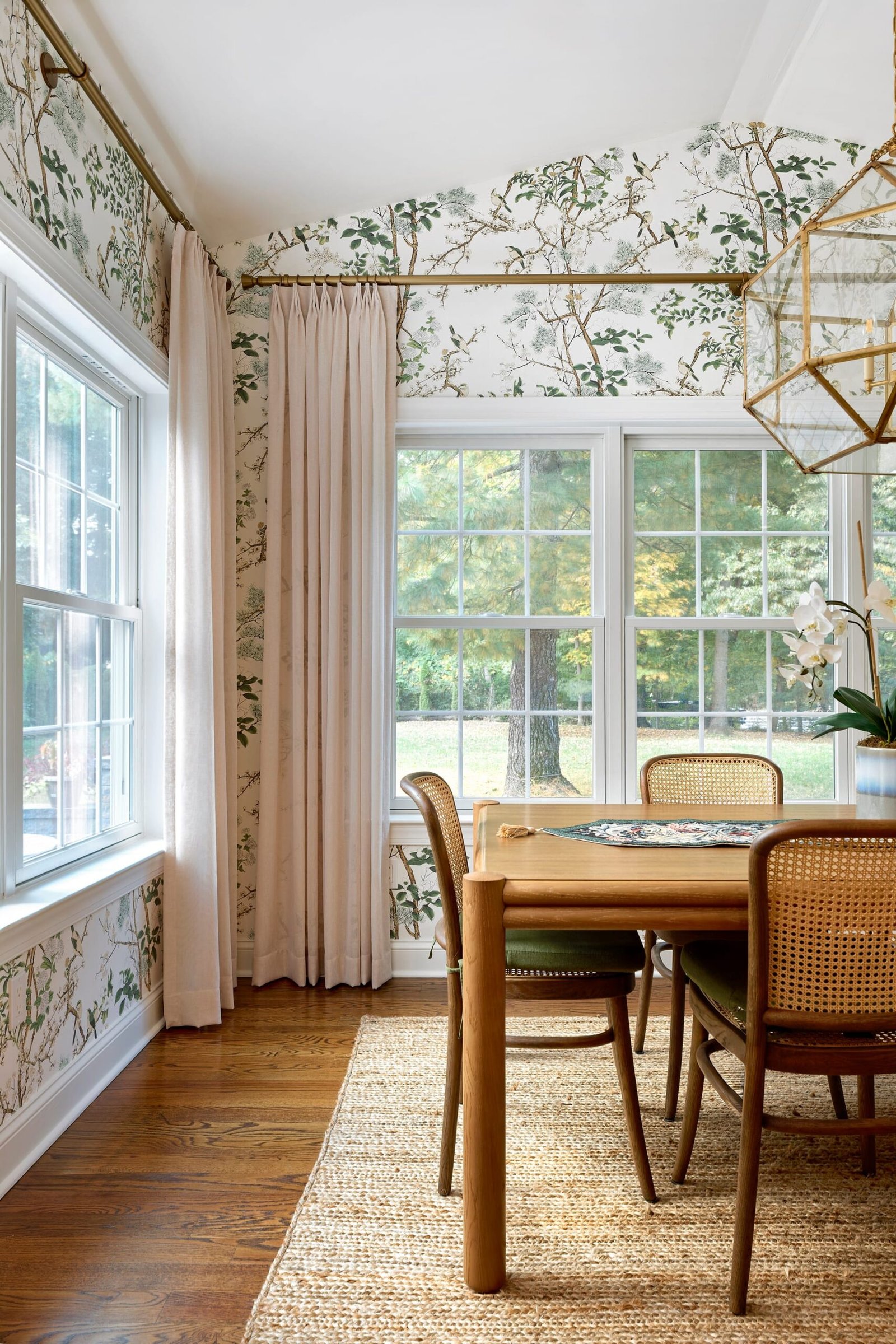
Every building is a sequence of rooms, but it is also a sequence of transitions. The doorway that opens onto a garden, the arch that separates a lobby from a lounge, the corridor that draws the eye toward light at its end. These are thresholds, and they carry more meaning than we often credit. In architectural photography, the threshold is one of the most rewarding subjects available, precisely because it does two things at once: it defines a space and it gestures toward another.
For architects and interior designers, the threshold is where design intent becomes legible. A room photographed in isolation tells you what it is. A room photographed through the frame of an adjoining doorway tells you how it lives, how it connects, and how a person moves through it. That relationship is difficult to convey in words and easy to lose in a hurried shoot. It deserves deliberate attention.
A threshold is not empty space between rooms; it is the moment a building explains itself.
Why Transitions Read So Strongly
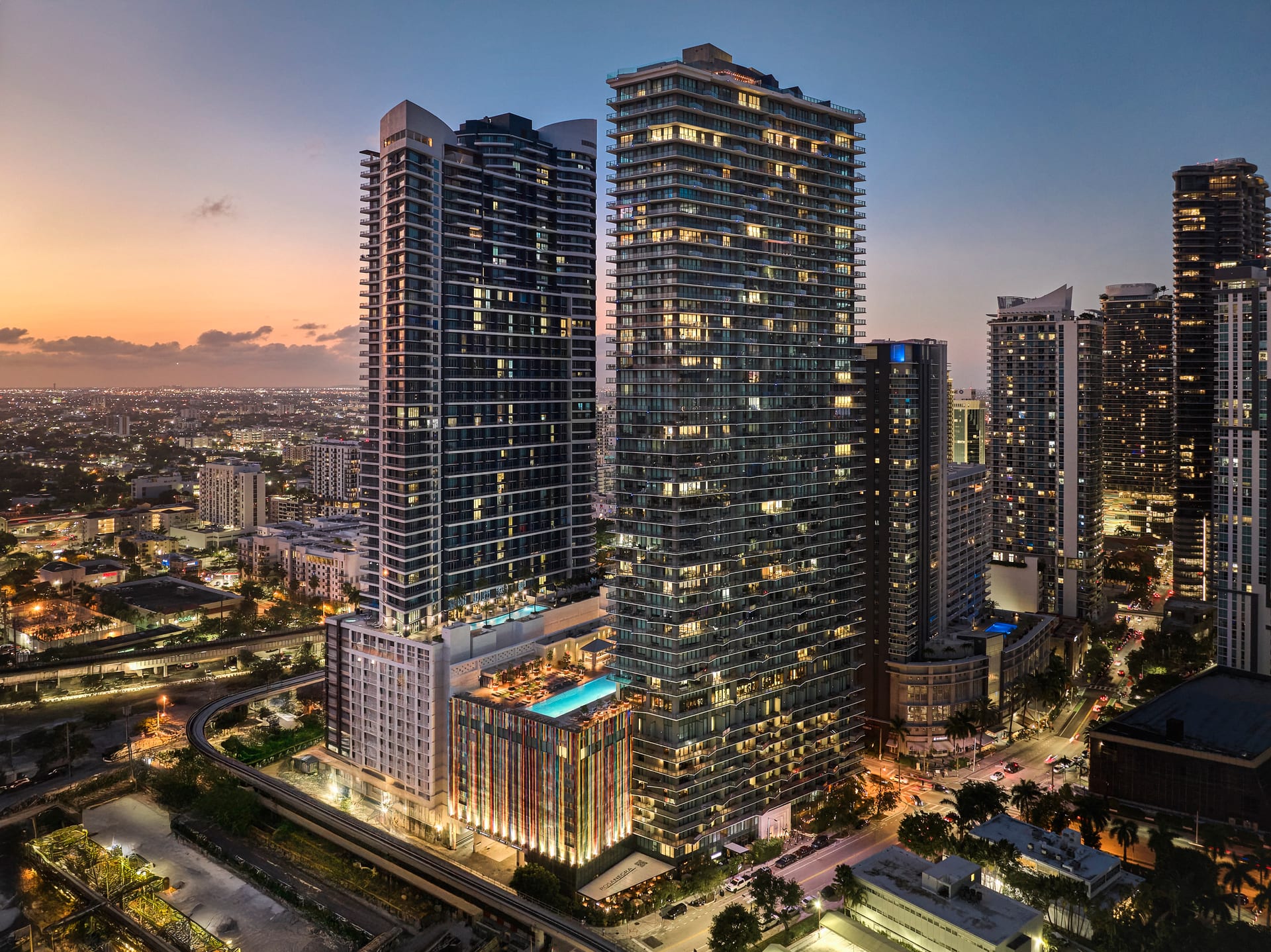
The human eye is drawn to layers. When a photograph offers a foreground frame, a middle ground, and a distant point of interest, it invites the viewer to travel through the image rather than glance at it. A threshold delivers this structure naturally. The door casing or arch becomes the foreground, the space beyond becomes the destination, and the composition acquires depth that a flat, front-on shot cannot match.
This layering also communicates scale and proportion without any obvious effort. A doorway is a known quantity. When we see a room through one, we instinctively measure the room against the opening. For builders and realtors, this is invaluable. A prospective buyer scrolling through interior photography understands a home far better when the images show how spaces flow together, rather than presenting each room as an unrelated box.
What a Threshold Frame Communicates
- The relationship between two spaces and how they are intended to be used together
- A sense of progression, privacy, or openness within the plan
- Depth and dimension that make a single image feel three-dimensional
- The quality of light travelling from one room into another
Composing the Threshold Shot
Photographing a threshold well requires more discipline than it first appears. The temptation is to stand squarely in one room and shoot into the next. That can work, but the most compelling threshold images are considered in three respects: alignment, balance, and the point of arrival.
Alignment and Vertical Lines
Because a threshold is defined by a strong architectural frame, any error in alignment is glaringly visible. Vertical lines on door jambs and arches must stay true. A slight tilt that might go unnoticed in an open room becomes a distraction when the frame itself is the subject. Careful camera positioning and a level horizon are non-negotiable here, and the geometry should feel intentional rather than accidental.
Balancing Two Exposures
Thresholds frequently connect spaces with very different light. A shaded hallway opening onto a sunlit terrace, or a warm interior giving way to a cooler room beyond, presents a real exposure challenge. The goal is to hold detail in both without either area collapsing into shadow or blowing out to white. This is where patience and craft matter. The eye reads the transition of light as part of the story, so both ends of the frame need to remain legible.
The way light changes across a threshold is often the truest record of how a space feels to inhabit.
Choosing the Point of Arrival
A threshold image needs somewhere for the eye to land. When you frame a view through a doorway, ask what sits at the end of that view. A well-placed piece of furniture, a window, a work of art, or simply a pool of light gives the composition its resolution. If the destination is cluttered or ambiguous, the frame loses its purpose. This is a point worth discussing with the designer or property owner before the shoot, because small adjustments to what lies beyond the doorway can transform the result.
Thresholds in Different Settings
The principle adapts across the kinds of spaces we photograph, and it rewards a slightly different emphasis in each.
Residential Interiors
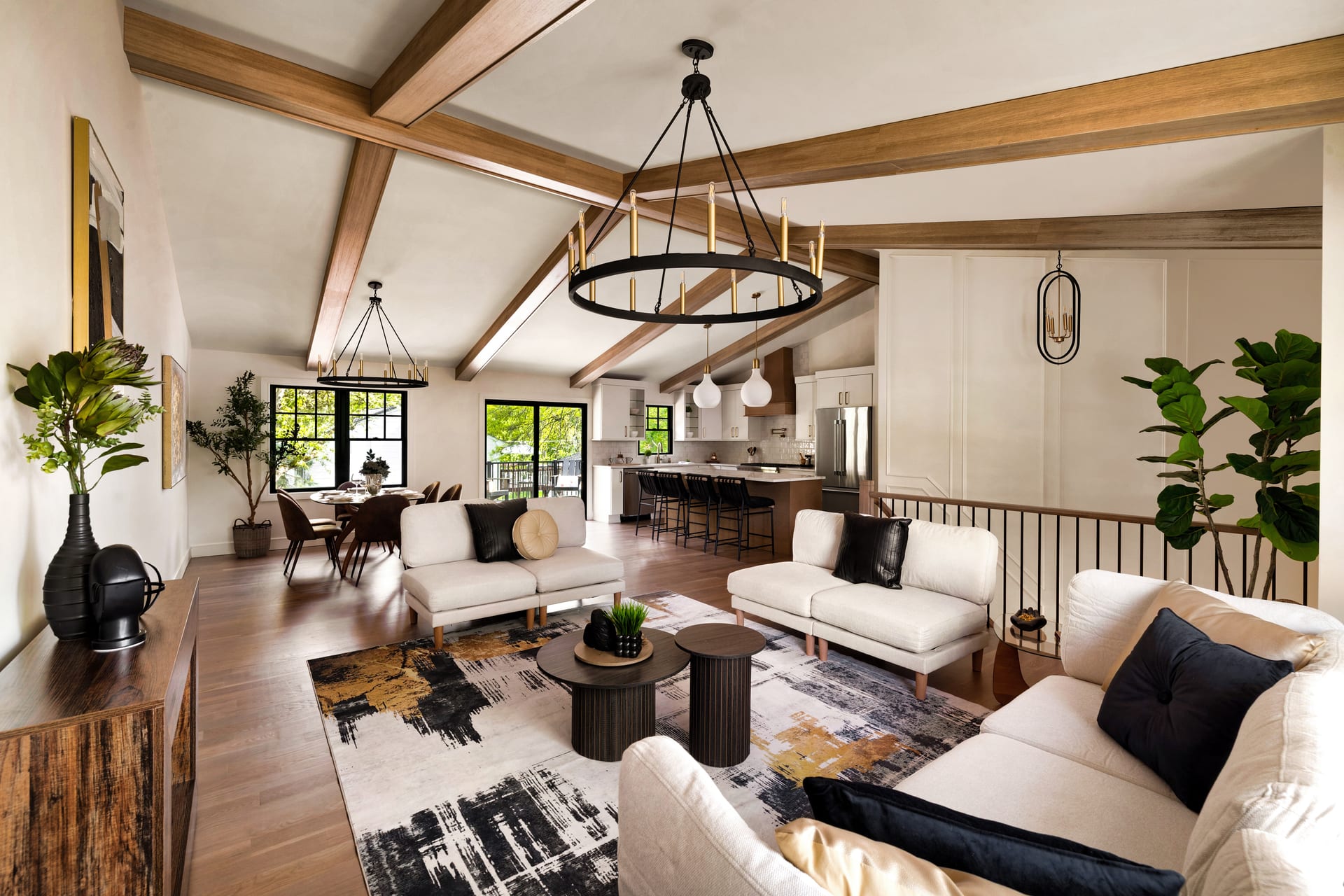
In homes, thresholds tell the story of daily life. The view from a kitchen into a dining area, or from a bedroom toward an ensuite, reveals how a family would actually use the space. For interior photography aimed at buyers, these connecting shots build a mental map of the property that isolated room images never quite achieve.
Hospitality Spaces
For hoteliers, the threshold is a moment of choreography. The passage from a bright lobby into an intimate bar, or from a corridor into a suite, is part of the guest experience being designed and sold. Photographing these transitions communicates atmosphere and sequence, which is precisely what a prospective guest is trying to imagine.
Architectural Exteriors
Thresholds are not only interior features. The entrance to a building is its most public threshold, the point where the street meets the interior world. An exterior shot that captures a glimpse of the lit interior beyond a glazed entrance carries a quiet promise. It suggests what the architecture holds without revealing everything at once.
Preparing a Space for Threshold Images
A little foresight makes these shots far stronger. Because a threshold frame captures two spaces simultaneously, both need to be considered, not just the room in the foreground. Some practical points to keep in mind:
- Clear the sightline through the opening of any incidental clutter or trailing cables
- Consider what furniture or feature anchors the far end of the view
- Check that doors are positioned to help the composition, whether open, ajar, or removed from the frame
- Note the times of day when light travels most beautifully between the two spaces
These decisions are best made in conversation. The photographer sees the frame; the designer or owner knows the intent behind the space. Bringing those perspectives together during planning tends to produce the most resolved images.
A Quieter Way to Show a Building
There is a restraint to the threshold shot that suits considered work. It does not shout. It draws the viewer in gently, offering a partial view and inviting them to complete the picture in their imagination. For design professionals whose work depends on communicating spatial quality, this is a valuable tool. It shows not just what a place looks like, but how it unfolds.
The next time you review a set of images of your work, look for the transitions. They are often where the architecture is most honestly expressed.
If you would like to explore how considered architectural and interior photography might serve your next project, I would be glad to hear from you.
Add us as a preferred source on Google
Add as preferred source