The Question of Who Belongs in the Frame
Most architectural photography arrives without a single person in it. Rooms stand quiet, halls run empty, and the eye is free to trace a cornice or follow a shaft of light across the floor. This is a deliberate tradition, and often the right one. But there is another decision waiting in almost every commission, and it is worth making with intention rather than habit: should a person appear in this image, and if so, how?
The human figure changes a photograph completely. It introduces scale, movement, and a suggestion of use. It tells the viewer not only what a space looks like but what it feels like to occupy. For architects, interior designers, builders, and hoteliers, that shift can be either an asset or a distraction. Knowing the difference is what separates a considered brief from a hopeful one.
What a Figure Actually Does
A person in an architectural or interior image is never neutral. They carry meaning the moment they enter the frame. Understanding what they contribute helps you decide whether that contribution serves the story you are telling.
Scale and proportion
Nothing reads size to a viewer faster than a familiar body. A double-height atrium can look impressive in isolation, but place a figure at its base and the volume suddenly becomes comprehensible. The eye measures the space against something it knows intimately. In interior photography, a single person seated at a long dining table conveys generosity of proportion more honestly than any wide angle.
Life and use
Empty rooms suggest potential. Occupied rooms suggest reality. A hotel lobby with a guest crossing it becomes a place where things happen rather than a set awaiting its actors. For hospitality clients in particular, this sense of lived warmth is frequently the entire point of the image.
A person in the frame does not simply fill the space; they explain what the space is for.
Narrative and mood
A figure implies a story. Someone pausing at a window, a hand resting on a stair rail, a guest reading in a corner chair. These small human moments give a photograph an emotional register that pure architecture cannot reach on its own. The trade is directness for atmosphere, and it is not always worth making.
When to Keep the Space Empty
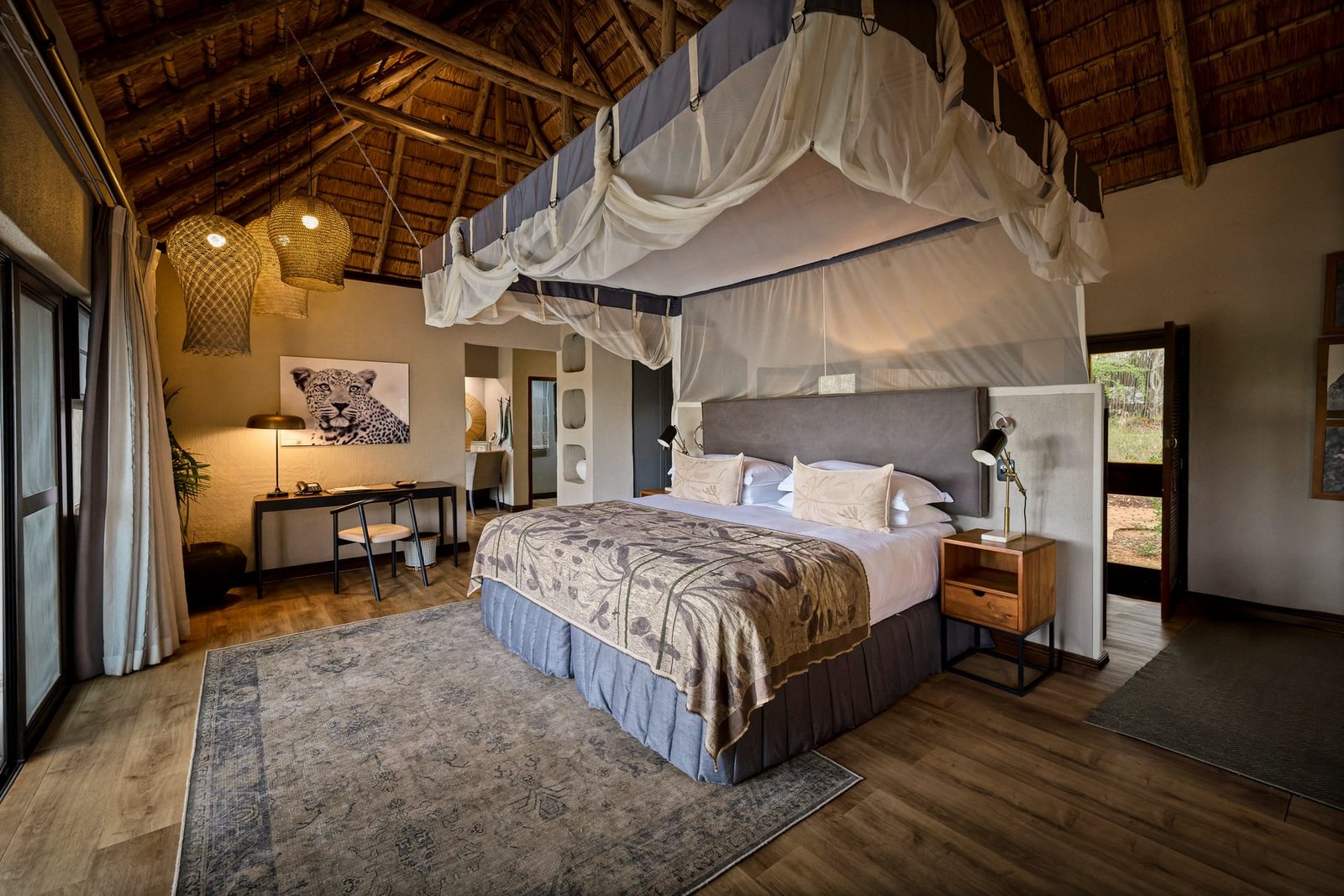
The strongest reason to exclude people is clarity. If the purpose of the image is to document a design decision, showcase joinery, or record a completed build with precision, a figure will only compete for attention. The viewer should study the architecture, not the person standing in front of it.
Consider leaving the frame empty when:
- The image serves a portfolio or awards submission where the design itself is the subject
- Fine detail, materiality, or craftsmanship is the reason for the shot
- The composition depends on symmetry, geometry, or unbroken lines that a figure would disrupt
- The space is intended to feel calm, contemplative, or timeless
For architects documenting a finished project, the empty room is usually the honest choice. It respects the work and allows the space to be read on its own terms. The absence of people is not a limitation; it is a form of restraint that keeps the focus where it belongs.
When a Person Earns Their Place
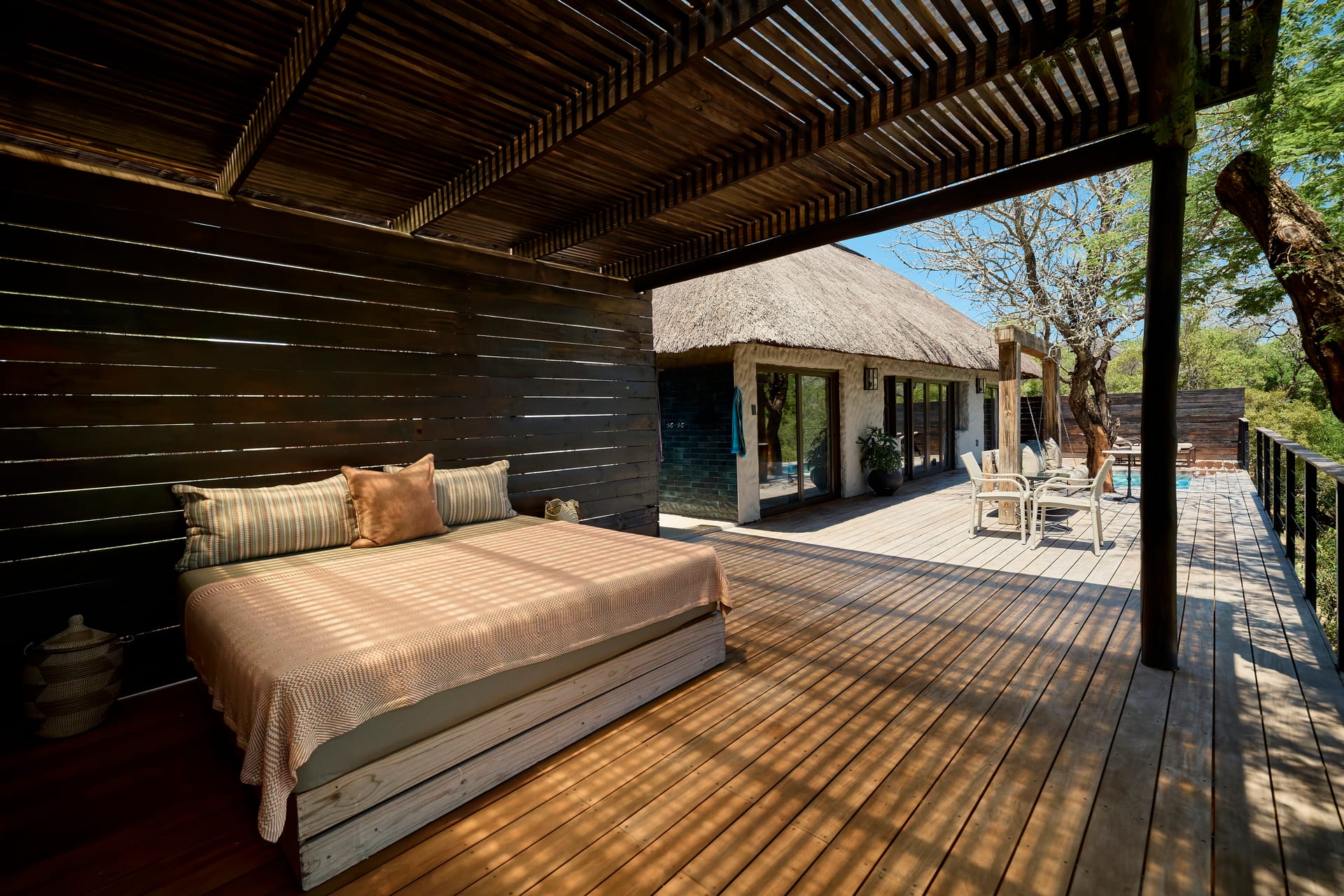
People belong in the frame when the story is about occupation rather than construction. Hospitality is the clearest case. A boutique hotel sells an experience, and an experience is difficult to convey through empty corridors alone. A guest at breakfast, a concierge mid-gesture, a couple on a terrace at dusk. These images do work that architecture cannot do by itself.
Retail and workplace interiors follow the same logic. A studio full of people at work communicates culture and energy. A restaurant with a few diners feels like somewhere you would want to sit. In these settings, the human presence is not decoration; it is evidence.
The decision is never whether people are attractive in an image, but whether they are true to it.
How to Include People Well
The difference between a figure that elevates a photograph and one that cheapens it lies almost entirely in execution. A poorly handled person reads as a stock image; a well handled one reads as a moment.
Favour suggestion over portraiture
In most architectural and interior work, the person should not be the subject. A figure seen from behind, partially out of frame, softened by motion, or turned away from the lens keeps the space primary while still lending it life. Direct eye contact tends to pull the image into portraiture, which is rarely the intent.
Let motion do the work
A slight blur of movement, someone walking through a hall or descending a stair, communicates use without freezing a self-conscious pose. Stillness in a person often looks staged. Gentle motion looks lived.
Cast with care
Clothing, posture, and grooming all read instantly. A figure dressed in the wrong register for the space breaks the illusion. For hospitality shoots, wardrobe should suit the property as much as the furniture does. This is a detail worth planning in advance rather than improvising on the day.
Keep the count honest
One person can imply an entire way of living. A crowd can overwhelm a room and date an image quickly. Unless the density of people is the story, as in a busy bar or a full restaurant service, restraint usually wins.
Planning the Decision Into the Brief
Because the presence of people affects casting, scheduling, and mood, it should be discussed before the shoot rather than resolved on location. A useful approach is to identify, image by image, which frames are architectural records and which are experiential. The former stay empty. The latter are built around a human moment.
This division also protects the longevity of a set. Empty architectural images tend to remain useful for years, unbothered by changing fashions. Images with people carry a slightly shorter shelf life, since clothing and styling age. A considered commission usually holds both: a spine of clean, timeless architecture, and a smaller selection of populated frames that bring the story to life for marketing and editorial use.
A Question of Truth
Ultimately, deciding whether to include a person is a question about what a photograph is meant to say. If the answer concerns form, light, and material, the space can stand alone with quiet authority. If the answer concerns experience, warmth, and use, a single well-placed figure can carry the entire feeling of a place. Both are valid. Neither should be an accident.
If you are planning a project where the presence, or deliberate absence, of people will shape the story, I would welcome a conversation with Matthew Lekker Photography about how best to approach it.