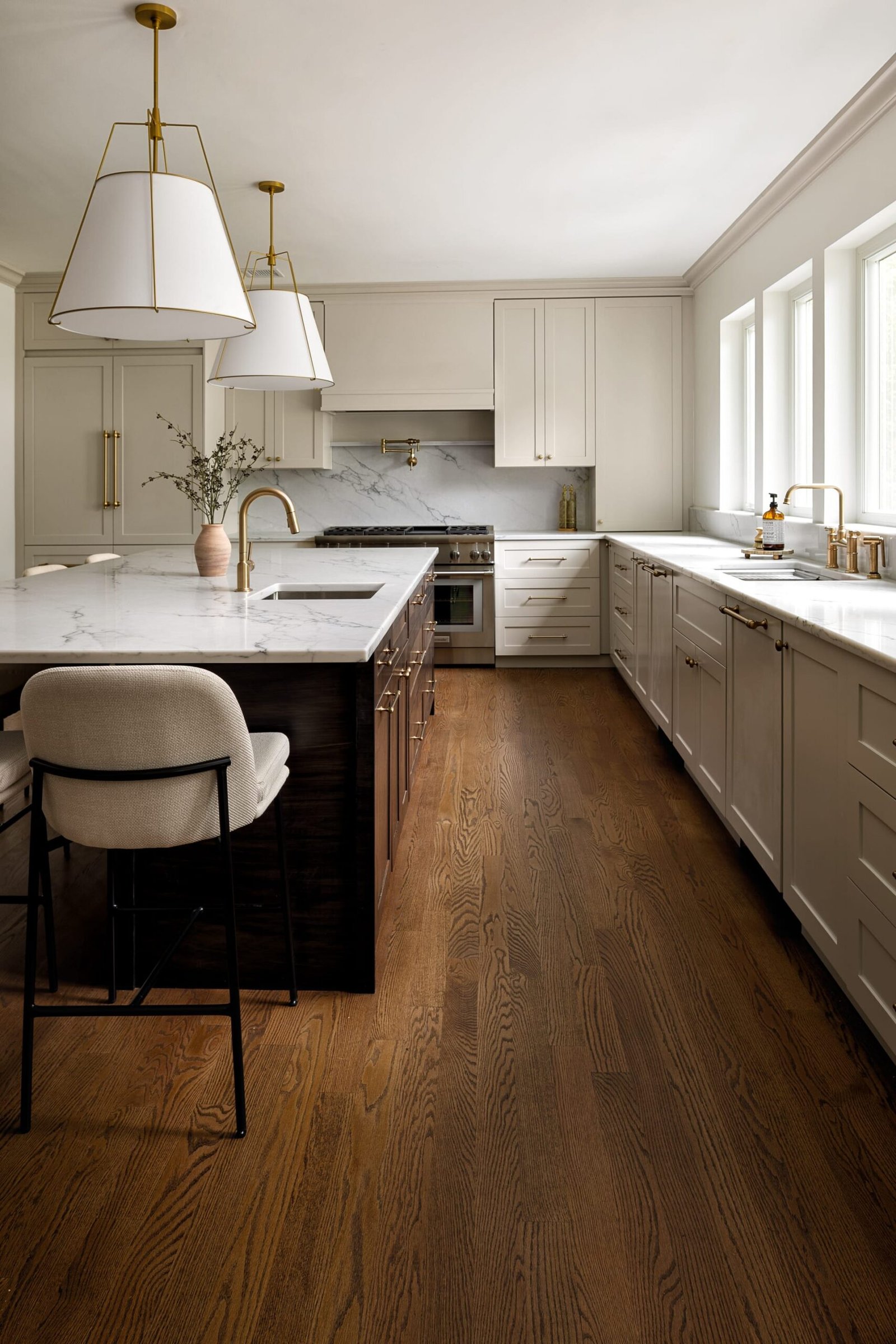
The Case for the Empty Room
There is a particular kind of photograph that many design professionals overlook: the vacant space. A room without furniture, without styling, without the softening presence of objects and life. It is often treated as a placeholder, something to be tolerated until the space is dressed. Yet the empty room is one of the most honest subjects in architectural photography, and learning to see it well changes how you understand a building.
Whether you are a builder documenting a completed shell, an architect capturing structure before an interior fit-out, or a realtor presenting a property between tenants, the unfurnished room asks something specific of the camera. It removes every distraction and leaves only the architecture itself. What remains is proportion, light, material, and line. There is nowhere to hide.
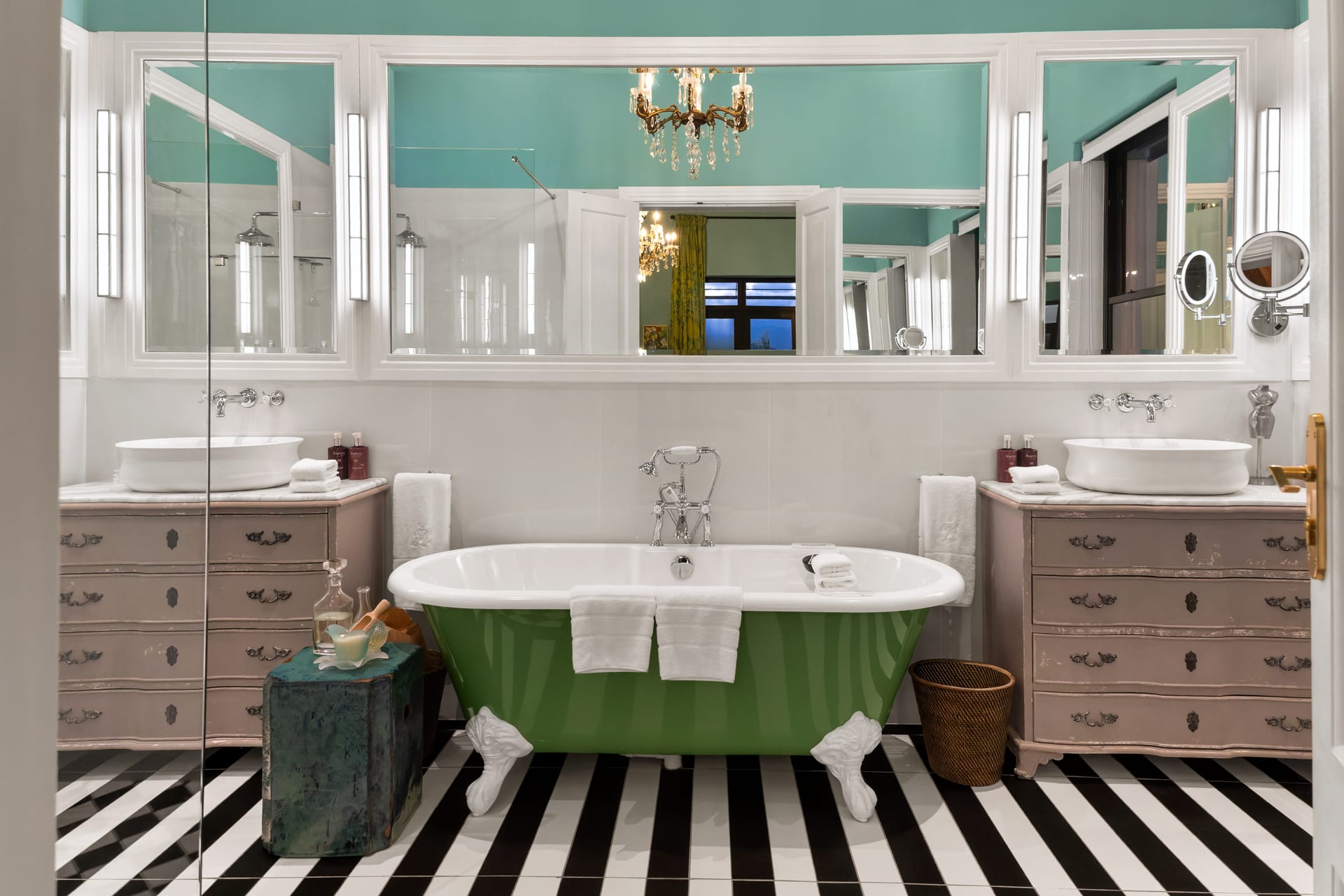
What Emptiness Exposes
Furniture is generous. It fills awkward corners, breaks up long walls, and gives the eye somewhere comfortable to rest. Remove it, and the room speaks plainly. The height of a ceiling becomes undeniable. The rhythm of windows along a wall becomes a composition in itself. A floor stretches uninterrupted, and its material — timber, concrete, stone, tile — carries weight it never had before.
An empty room has nowhere to hide, which is precisely why it tells the truth about a building.
This honesty cuts both ways. A poorly proportioned space looks worse when bare, and a beautifully resolved one looks better. For architects and builders, this is exactly the value. The empty room is a portrait of the work itself, unmediated by decoration. It shows how a space was made, not merely how it was arranged.
Light Without Interruption
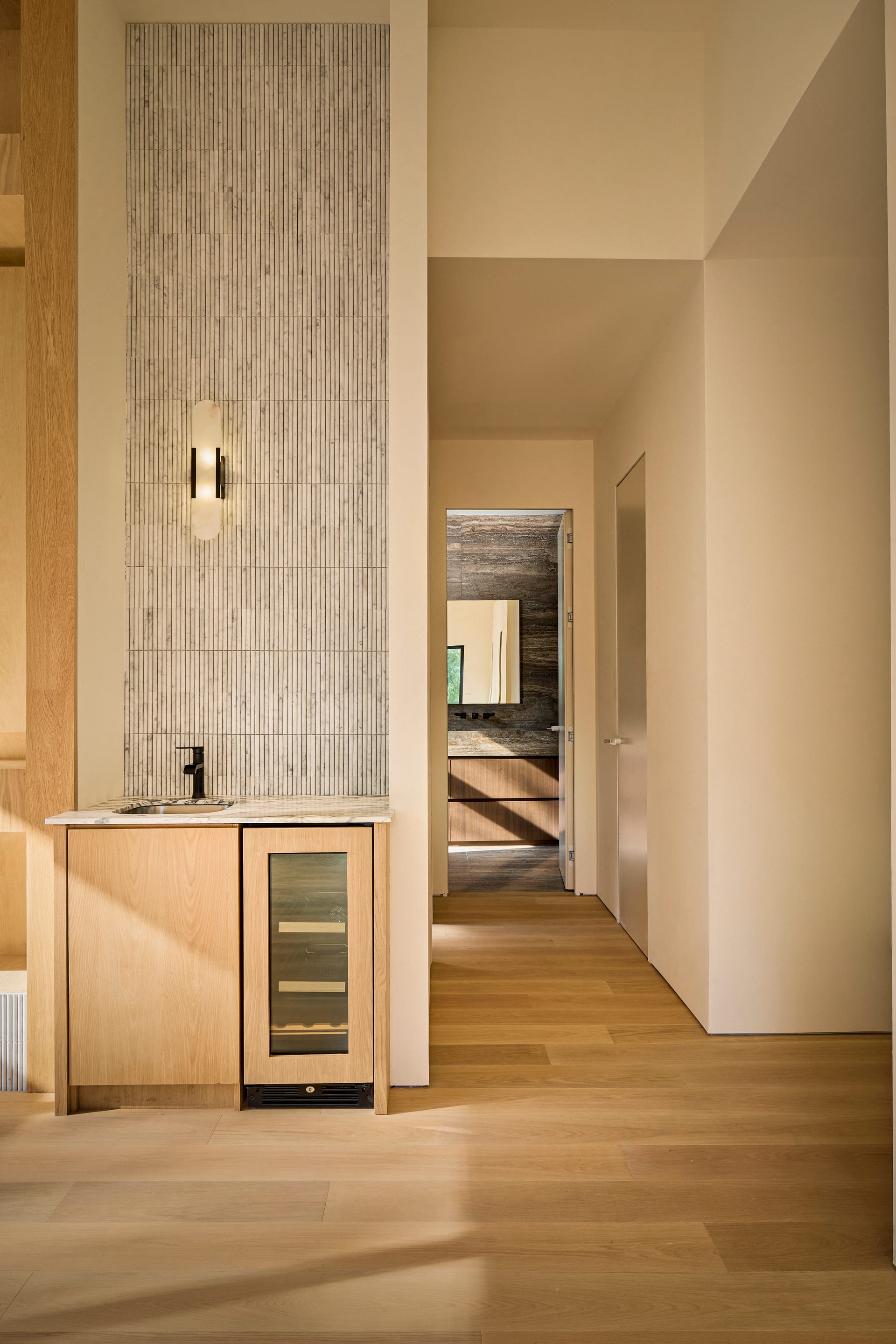
In a furnished interior, light interacts with countless surfaces. In an empty room, light becomes the primary subject. You begin to notice how it enters, where it lands, and how it moves across a wall through the course of an afternoon. A shaft of sun on bare plaster, the soft gradient where daylight falls off toward a corner, the reflection of a window pooled on a polished floor — these are the quiet events that fill a vacant space.
This is why timing matters even more with empty rooms than with dressed ones. Without objects to anchor the composition, light has to do the work of giving the image structure and mood. A room that feels flat and clinical at midday can become sculptural in the low, raking light of morning or late afternoon.
Composing the Vacant Space
Photographing an empty room is a discipline of subtraction, and it rewards patience. When there is little in the frame, every remaining element carries more responsibility. The placement of the camera, the height of the lens, the alignment of vertical lines, the balance of the walls — all of it becomes conspicuous.
A few principles help when working with bare interiors:
- Let the architecture set the geometry. Align the frame to the strongest lines in the room, whether that is a run of windows, a change in ceiling plane, or the meeting of floor and wall.
- Give the floor room to breathe. In a furnished space we often crop the floor tightly. Empty, it becomes a generous foreground that establishes scale and depth.
- Find one point of interest. A doorway leading to another room, a fireplace, a single window with a view — a quiet focal point keeps the image from feeling like a real estate listing.
- Mind the shadows. Without furniture to break them, shadows read as bold graphic shapes. Use them deliberately rather than fighting them.
The goal is not to disguise the emptiness but to compose with it, to treat the absence of objects as a compositional choice rather than a shortcoming.
When Emptiness Serves the Story
There are moments in a project when the empty room is not a compromise but the correct subject. A newly completed home before handover. A gallery or retail space designed to be reconfigured. A hotel room stripped back to show a renovation. A heritage building whose bare bones are the whole point. In these cases, styling would obscure the message rather than support it.
To photograph an empty room well is to trust that architecture alone can hold a frame.
For hoteliers and designers, there is also a strategic use. A vacant interior photographed with care can serve as a canvas in marketing materials, a clean backdrop that invites a client to imagine their own use of the space. It communicates possibility rather than a single fixed arrangement.
Preparing the Empty Space
Bare does not mean unprepared. In fact, empty rooms demand more attention to detail before the camera arrives, because there is nothing to draw the eye away from flaws. A scuff on the skirting, a smear on the glass, a cluster of paint spots on the floor, a stray power cable — all of these become glaring in an otherwise pristine interior.
Before photographing a vacant space, it is worth attending to:
- Clean floors, thoroughly, including corners and thresholds.
- Spotless windows, since glass carries every mark in raking light.
- Consistent lighting, with all bulbs matched or fixtures switched off for a purely natural look.
- Removed clutter, including the small remnants of construction such as offcuts, tape, and protective film.
- Retracted blinds and cords, tidied so nothing dangles into the frame.
These are the same standards of preparation any interior photography benefits from, but in an empty room the margin for error is smaller.
The Discipline of Looking
Perhaps the deepest value of photographing empty rooms is what it teaches about seeing. When you strip a space back to its essentials, you are forced to read architecture directly — to notice how a threshold is detailed, how a wall turns a corner, how a ceiling meets a beam. This is the language of the building itself, and photographing it well requires the same attention an architect brought to designing it.
For design professionals, commissioning photography of unfurnished spaces is a way of honouring the work at its most fundamental. It documents the structure before it disappears beneath layers of use, and it preserves a record of intention that later images, however beautiful, cannot fully recover. An empty room is a rare chance to see a space as its maker first imagined it: quiet, complete, and waiting.
If you have a space you would like photographed with this kind of care, I would welcome the conversation — please get in touch with Matthew Lekker Photography.