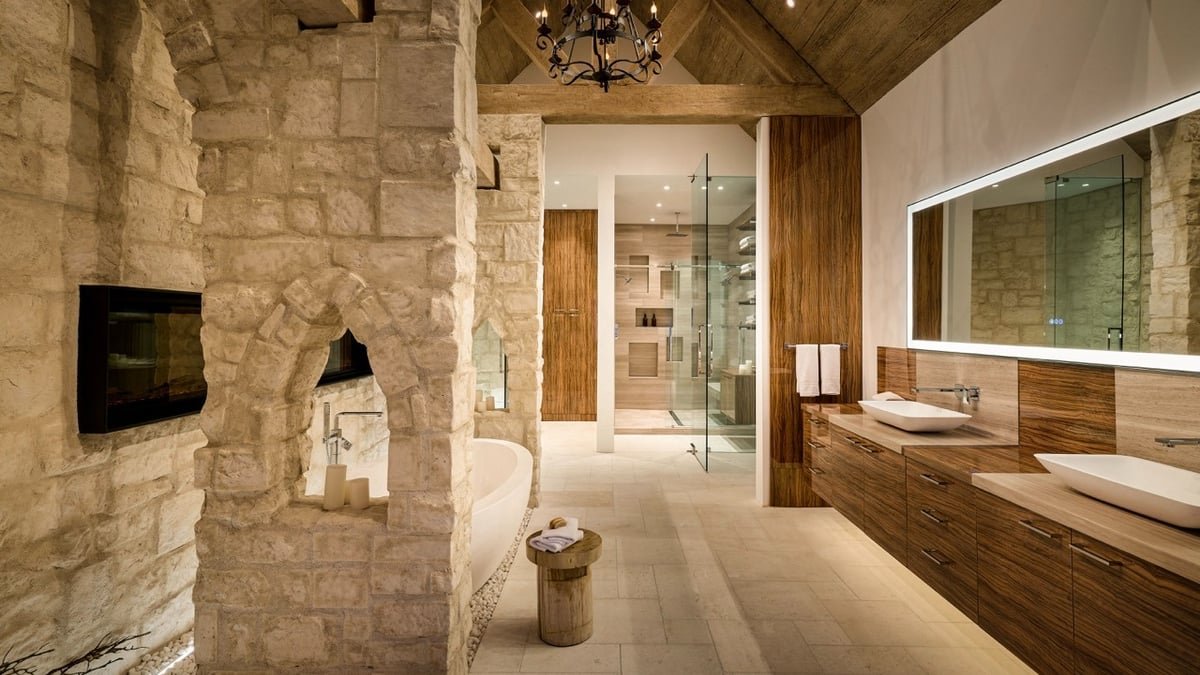
Light is the medium through which architecture becomes photographable. A room can be beautifully composed, meticulously styled, and structurally elegant, yet without the right light it will read as flat, muddled, or untrue to the designer’s intent. In interior photography, the choice between natural and artificial light is rarely a matter of preference alone. It is a decision shaped by the space itself, the mood the image needs to convey, and the story the design professional wants the final photograph to tell.
Understanding how each source behaves, and where each excels, allows architects, interior designers, builders, and hoteliers to collaborate more effectively with their photographer and to anticipate what a space will look like once it is translated into a two-dimensional image.
The Case for Natural Light
Natural light carries an inherent honesty. It reveals materials as the eye expects to see them, and it changes throughout the day in ways that can be used deliberately. For much of architectural photography, daylight remains the foundation because it renders texture, depth, and colour with a subtlety that is difficult to fabricate.
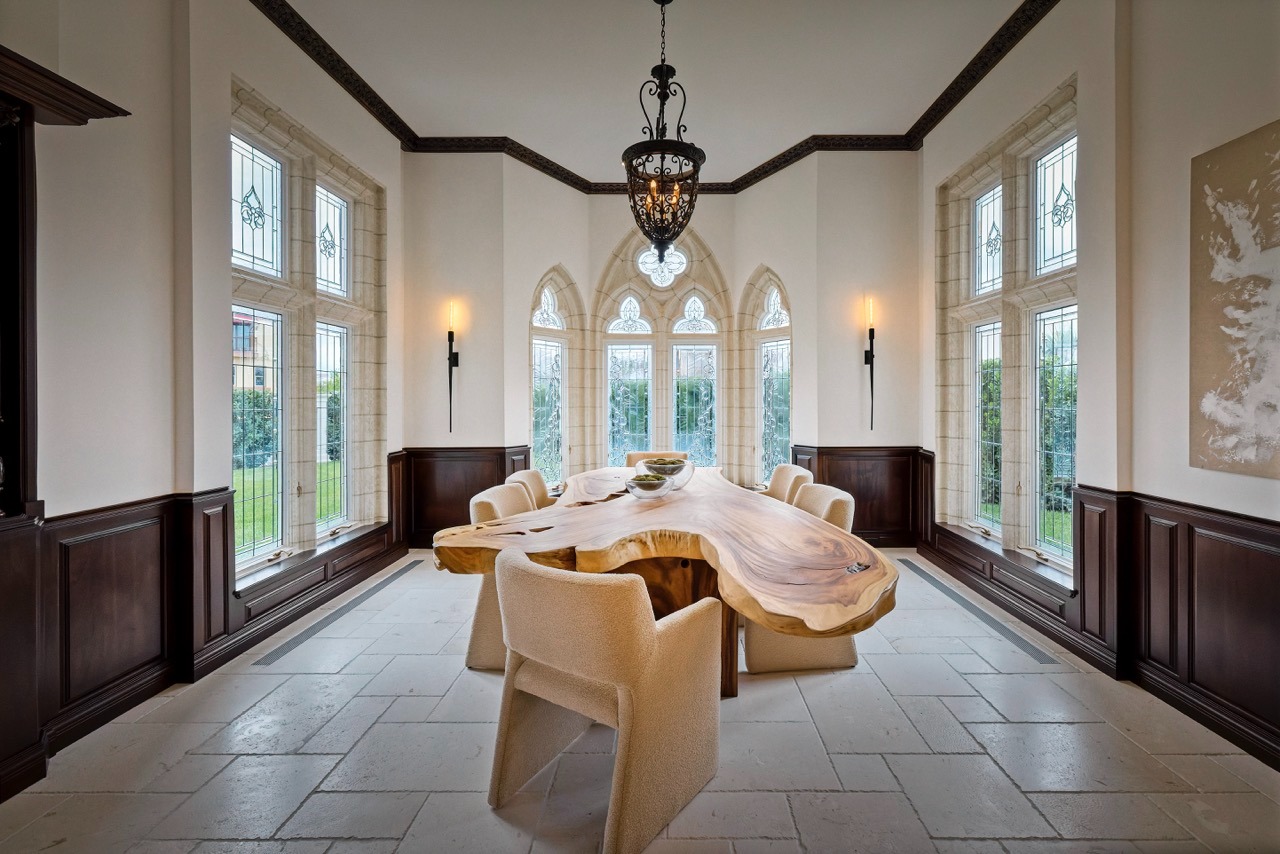
When a room is oriented well and the weather cooperates, natural light can do most of the heavy lifting. Soft, diffused daylight from an overcast sky is often ideal for interiors, because it fills a room evenly and reduces the harsh contrast that direct sun can introduce. Large windows, skylights, and open-plan layouts benefit especially, as the light wraps gently around furnishings and settles into the corners of a space.
Natural light carries an inherent honesty that renders materials as the eye expects to see them.
Where Natural Light Excels
- Rooms designed around generous glazing or a strong connection to the outdoors
- Spaces where the play of shadow and time of day is part of the architecture
- Interiors with natural materials, such as timber, stone, and linen, that reward faithful colour rendering
- Editorial and lifestyle imagery that seeks an atmosphere of ease and authenticity
There is also a practical argument. Natural light connects an interior to its context, showing how the space feels to inhabit at a particular hour. A morning kitchen and an evening lounge are different rooms in the same house, and daylight allows a photographer to capture that lived quality.
The Limits of Daylight
For all its virtues, natural light is not always dependable, and it is never entirely within our control. Cloud cover shifts, the sun moves, and a north-facing room may never receive the warmth a south-facing one enjoys. Windows can also create extreme contrast, where the view beyond the glass blows out to white while the interior falls into shadow. Balancing these two exposures is one of the more demanding aspects of interior photography.
Time is another constraint. The best natural light for a given room may last only a short window each day, and a full property or hotel may contain rooms that each peak at different hours. Working purely with daylight can therefore limit how much can be photographed well in a single session.
The Case for Artificial Light
Artificial light introduces control. With strobes, continuous panels, or careful use of a property’s own fixtures, a photographer can shape the way a room is lit rather than waiting for conditions to align. This is invaluable when daylight is insufficient, when a space has few or poorly placed windows, or when a consistent look must be maintained across many rooms regardless of the time of day.
Considered artificial lighting can lift shadows, restore detail in dark corners, and balance the interior against a bright window so that both the room and the view beyond it are legible. It can also be used to emphasise architectural features, drawing the eye toward a joinery detail, a textured wall, or the sculptural form of a staircase.
Artificial light is not a substitute for daylight but a means of directing it, extending it, and refining it.
Where Artificial Light Excels
- Windowless or dimly lit spaces, such as basements, bathrooms, and interior corridors
- Commercial and hospitality projects that require a uniform look across dozens of rooms
- Evening and twilight imagery, where the warmth of interior lighting becomes the subject
- Situations with tight scheduling, where a space must be photographed regardless of the hour
For hoteliers and builders in particular, artificial light offers reliability. When a shoot must proceed on a fixed timeline, the ability to produce a polished, consistent series of images without depending on the sky is a significant advantage.
Blending the Two
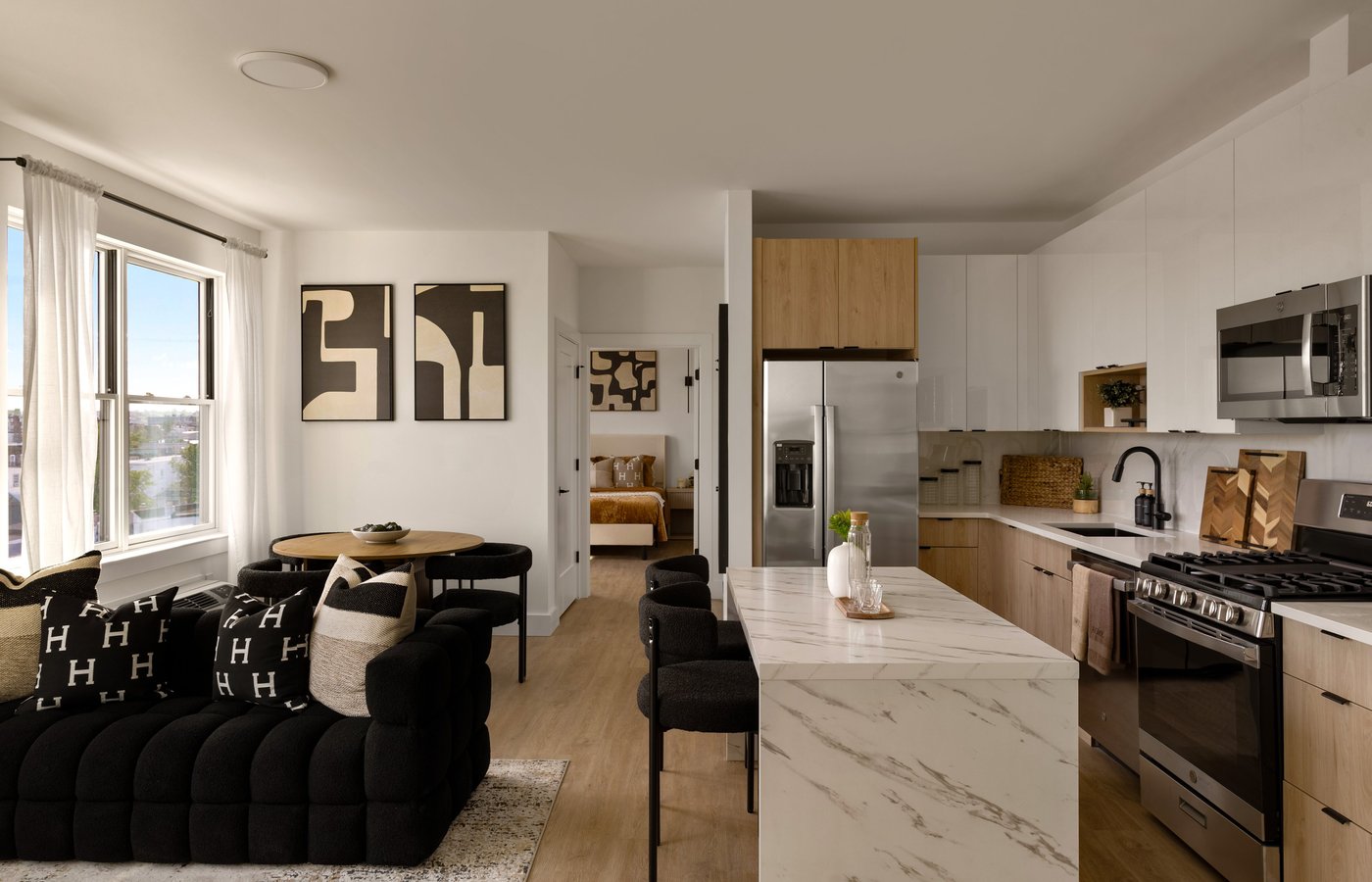
In practice, the most compelling interior photography rarely relies on one source alone. The refined approach is to treat daylight as the foundation and artificial light as the instrument that refines it. A photographer might expose for a bright window, then add a measured amount of supplementary light to bring the interior back into balance, preserving both the view and the room.
This blended method respects the character of the space while correcting for the shortcomings of any single source. Done well, the added light is invisible. The photograph appears to be lit entirely by the sun, yet every corner reads clearly, and the mood remains true to how the room feels in person.
The goal is never to announce the technique. It is to make the architecture and the design decisions within it appear as they were intended, calm and complete.
Questions Worth Asking Before a Shoot
Design professionals can help guide the outcome by considering a few questions in advance:
- What time of day does this space look its best, and why?
- Is the connection to the outdoors central to the design, or secondary?
- Will the images be used together as a series, requiring visual consistency?
- Should the photographs feel like daytime, twilight, or a quiet evening?
- Are there rooms that receive little natural light and will need support?
These considerations allow the photographer to plan a session that moves through a property intelligently, capturing each space when it is most expressive and using artificial light only where it genuinely serves the image.
Matching Light to Intent
Ultimately, the decision between natural and artificial light returns to intent. A boutique hotel selling atmosphere at dusk has different needs from a builder documenting a completed residence, and an interior designer presenting a colour-driven scheme has different priorities again. The right light is the one that most faithfully communicates the purpose of the space and the sensibility of its maker.
Good architectural photography is not about choosing a side. It is about reading a room honestly, understanding what it is trying to say, and using whatever combination of light will let it speak clearly. Timeless imagery emerges when technique steps quietly aside and the design is allowed to lead.
If you are planning a project and would like to discuss how best to photograph your space, we would welcome the conversation at Matthew Lekker Photography.