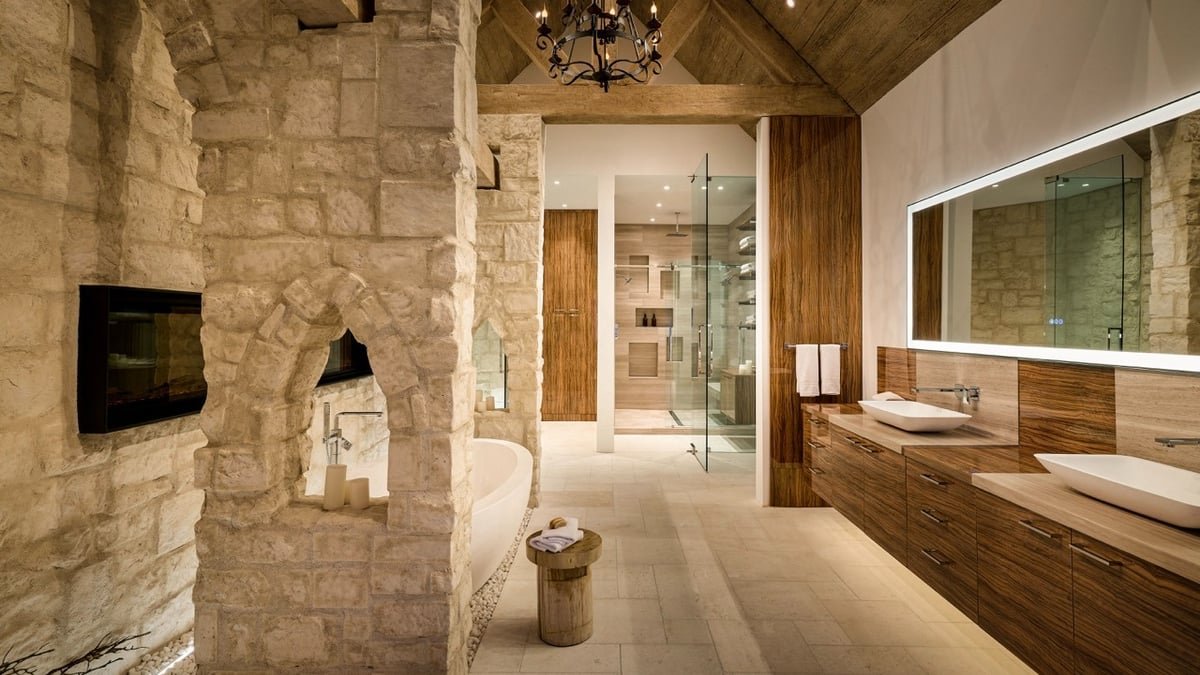
Every considered space is built from small decisions. The precise miter of a joint, the way a brass handle wears against oak, the reveal where plaster meets glass. These are the moments where craftsmanship lives, and they are often the first things lost when a space is photographed in haste. For architects, interior designers, builders, and hoteliers, detail photography is not a supplement to the wide establishing shot. It is the language through which quality is understood.
In architectural photography and interior photography alike, the wide frame tells the story of scale and intention. The detail frame tells the story of care. Both are necessary, but the second is more frequently overlooked and more difficult to execute well. A room can be handsome from across the floor and still betray its true value only when the lens moves close.
Why Detail Photography Earns Its Place
Design professionals are, in essence, selling judgment. A client hires an interior designer not merely for furniture but for the discernment behind every selection. A builder is valued for the accuracy of their execution as much as the ambition of the structure. Detail photography makes that judgment visible.
When a prospective client views a portfolio, the wide shots register as impression. The close shots register as proof. They confirm that the seams are clean, the materials are honest, and the finishing has been considered to the millimeter.
The wide frame tells the story of intention, but the detail frame tells the story of care.
For boutique hotels and hospitality brands, this becomes even more pronounced. Guests increasingly choose properties based on texture and atmosphere communicated through imagery. A photograph of a single well-made surface, a stone basin, a hand-stitched leather headboard, a considered lighting fixture, can carry more persuasive weight than an entire lobby captured from the doorway.
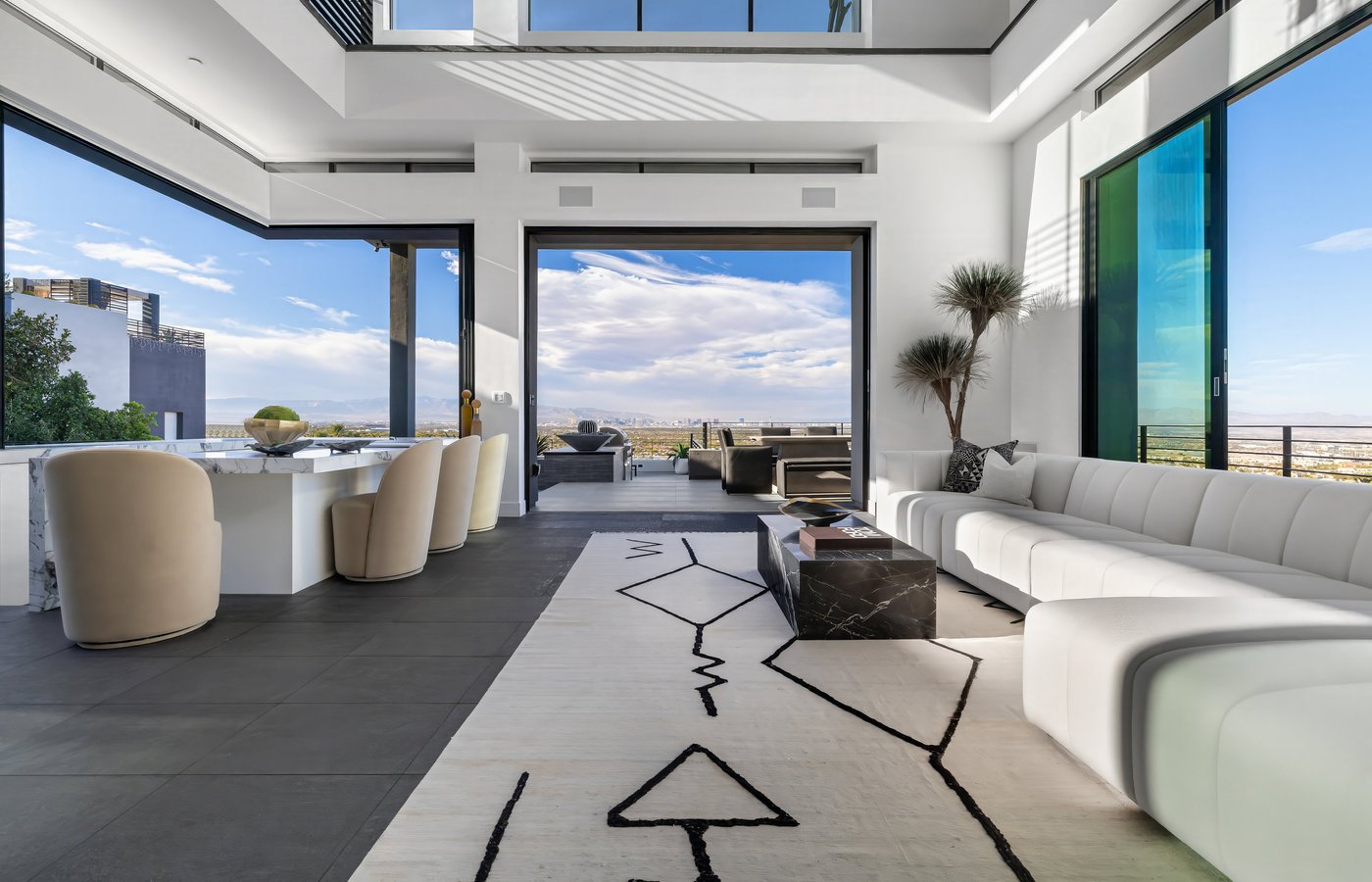
Seeing the Detail Before You Photograph It
The discipline begins with observation, not equipment. Before a single frame is made, the photographer walks the space slowly and asks what the makers were proudest of. Where did the effort concentrate? Craftsmanship is rarely uniform. It gathers at thresholds, transitions, and points of contact where the human hand meets the material.
Look for the transitions
The places where two materials meet are where quality is either confirmed or exposed. A tile that meets a wooden floor without a threshold strip. A cabinet that closes flush with the wall. These junctions are the sentences of a well-built space, and they deserve their own frames.
Look for the touchpoints
Hardware, switches, handrails, taps, and door pulls are the elements a person actually contacts. They tend to be chosen with intention and finished with care. Photographing them acknowledges the tactile dimension of design that a room-wide view cannot convey.
Look for the honest material
Timber grain, veined marble, brushed metal, woven textile. Materials carry their own narrative, and a detail frame allows that narrative to be read. The goal is not decoration but description, showing the viewer what the surface would feel like beneath a hand.
Light Is the True Subject
Detail photography is fundamentally the study of how light meets surface. A flat, evenly lit object appears dead. The same object under raking light, where illumination travels across the surface rather than straight into it, reveals texture, depth, and the marks of its making.
Directional light is the ally of craftsmanship. It carves shadow into the grain of wood, catches the burr on a hand-turned edge, and separates one material from another. Soft window light, allowed to skim across a surface, often outperforms any elaborate artificial setup. The photographer’s task is to control the angle and quality of that light so the material speaks without shouting.
- Raking light emphasizes texture and dimensional relief.
- Soft frontal light flatters color and finish but suppresses depth.
- Reflected light reveals the true character of polished and metallic surfaces.
Understanding which quality of light serves which material is the difference between a photograph that merely records a detail and one that honors it.
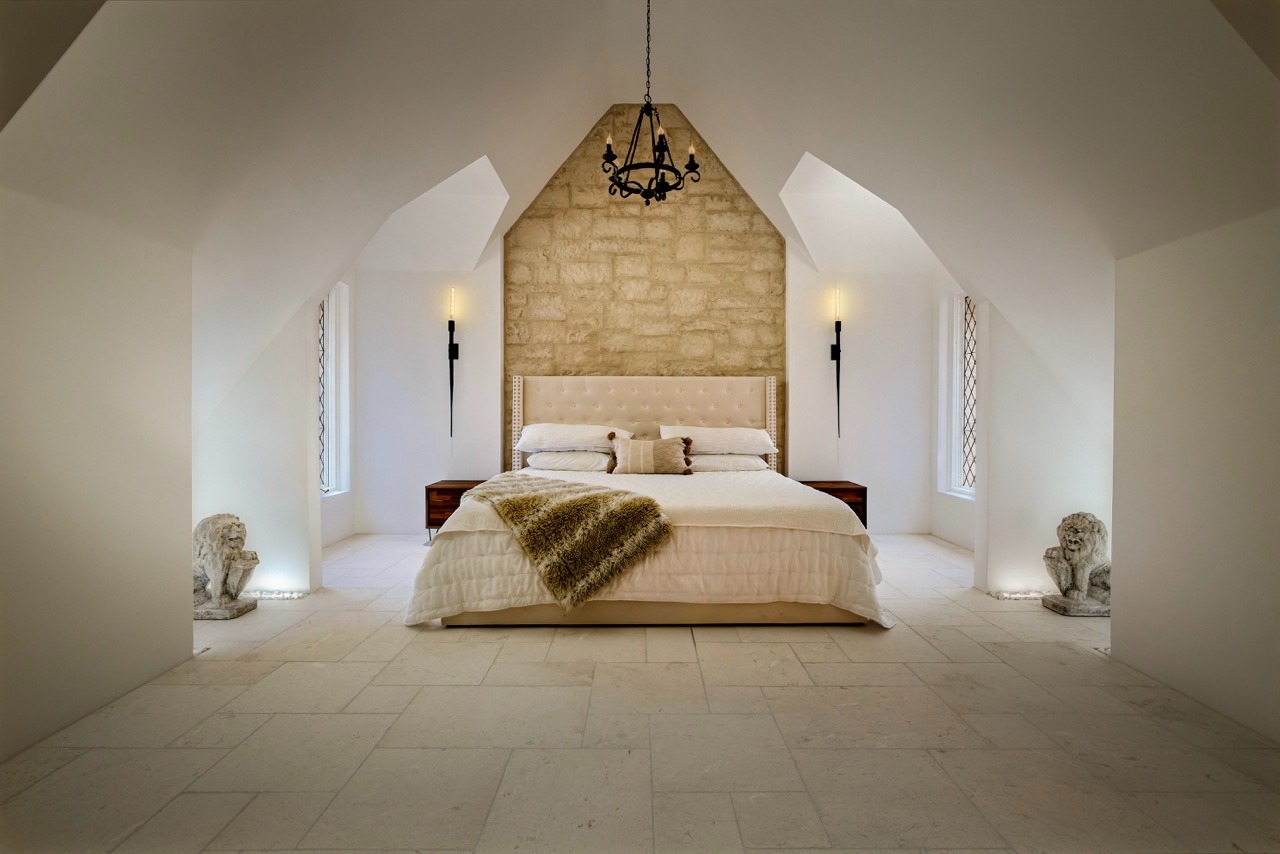
Composition at Close Range
When the frame narrows, composition becomes unforgiving. There is nowhere to hide a careless line. The principles that govern wider architectural photography still apply, but they operate with greater precision.
Consider the geometry of the detail itself. A door handle photographed straight on becomes a diagram. The same handle photographed at a considered angle becomes an object with presence. Depth of field, too, must be deliberate. A shallow focus can isolate a single stitch or seam and quiet everything around it, while a deeper field keeps an entire assembly legible.
At close range there is nowhere to hide a careless line, and that is precisely why the detail frame is so persuasive.
Negative space matters as much as the subject. A small object given room to breathe within the frame reads as intentional and valuable. Crowded too tightly, the same object feels incidental. This restraint is the editorial instinct that separates catalog documentation from photography that belongs in a design publication.
Product Photography Within the Space
Many design professionals also need their specified products represented, whether it is a signature furniture piece, a bespoke joinery element, or a lighting collection. There is a meaningful choice between photographing a product in isolation and photographing it in situ.
In-context product photography carries a distinct advantage for designers and hoteliers. It shows not only the object but the sensibility that placed it. A chair beside a window, catching morning light against a textured wall, communicates lifestyle and atmosphere in a way that a white-background studio image cannot. For builders and manufacturers, however, the clean isolated frame remains valuable for specification and comparison.
The most effective approach often pairs the two. One frame establishes the product as an object of quality, and another shows it living within a considered interior. Together they satisfy both the practical and the aspirational registers of the audience.
Consistency Across the Portfolio
Detail work should never feel disconnected from the wider set of images. A cohesive body of architectural and interior photography maintains a consistent temperature of light, a shared tonal palette, and a unified sense of restraint. When detail frames match the mood of the establishing shots, the portfolio reads as a single confident voice rather than a collection of unrelated observations.
This coherence is what allows a design professional to present their work as a considered whole. The wide views set the stage, the detail views deliver the evidence, and the product frames anchor the specificity. Nothing feels accidental, because nothing was.
The Quiet Value of Looking Closely
Photographing craftsmanship is ultimately an act of attention. It asks the photographer to slow down and honor the effort already present in the work. For the design professional, it transforms invisible labor into visible value, giving quiet skill the recognition it has earned.
If you are ready to reveal the craftsmanship within your own projects through detail and product photography, I would welcome a conversation at Matthew Lekker Photography.