Booking Decisions Begin With the Eye
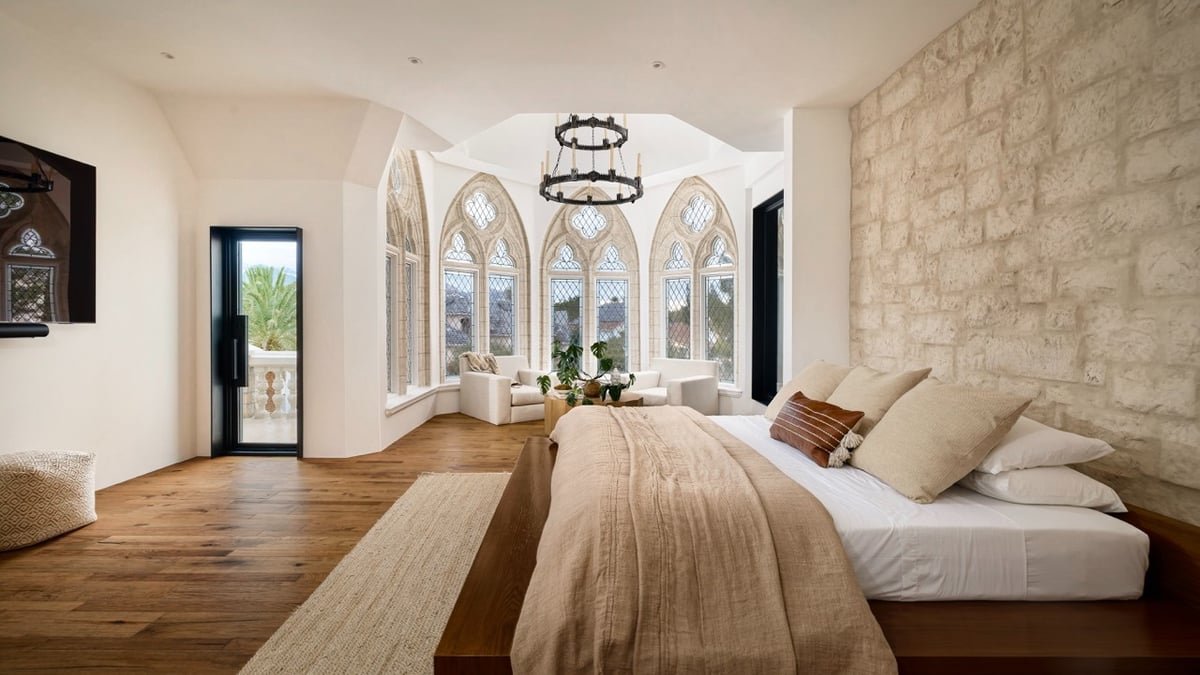
Before a guest reads a single review or compares nightly rates, they look. The photographs on a hotel’s website, its booking platform listing, and its social channels are the first conversation between a property and its future guest. In that moment, imagery is not decoration. It is the argument for why this room, this terrace, this quiet corner of the lobby deserves to become part of someone’s trip.
For hoteliers, interior designers, and the architects who shape these spaces, the stakes are unusually clear. A room photographed with intention feels considered, calm, and worth the cost. The same room, captured carelessly, reads as ordinary regardless of how thoughtfully it was designed. The gap between those two outcomes is rarely about the property itself. It is about how well the photography understands what guests actually notice.
What Guests Actually Notice
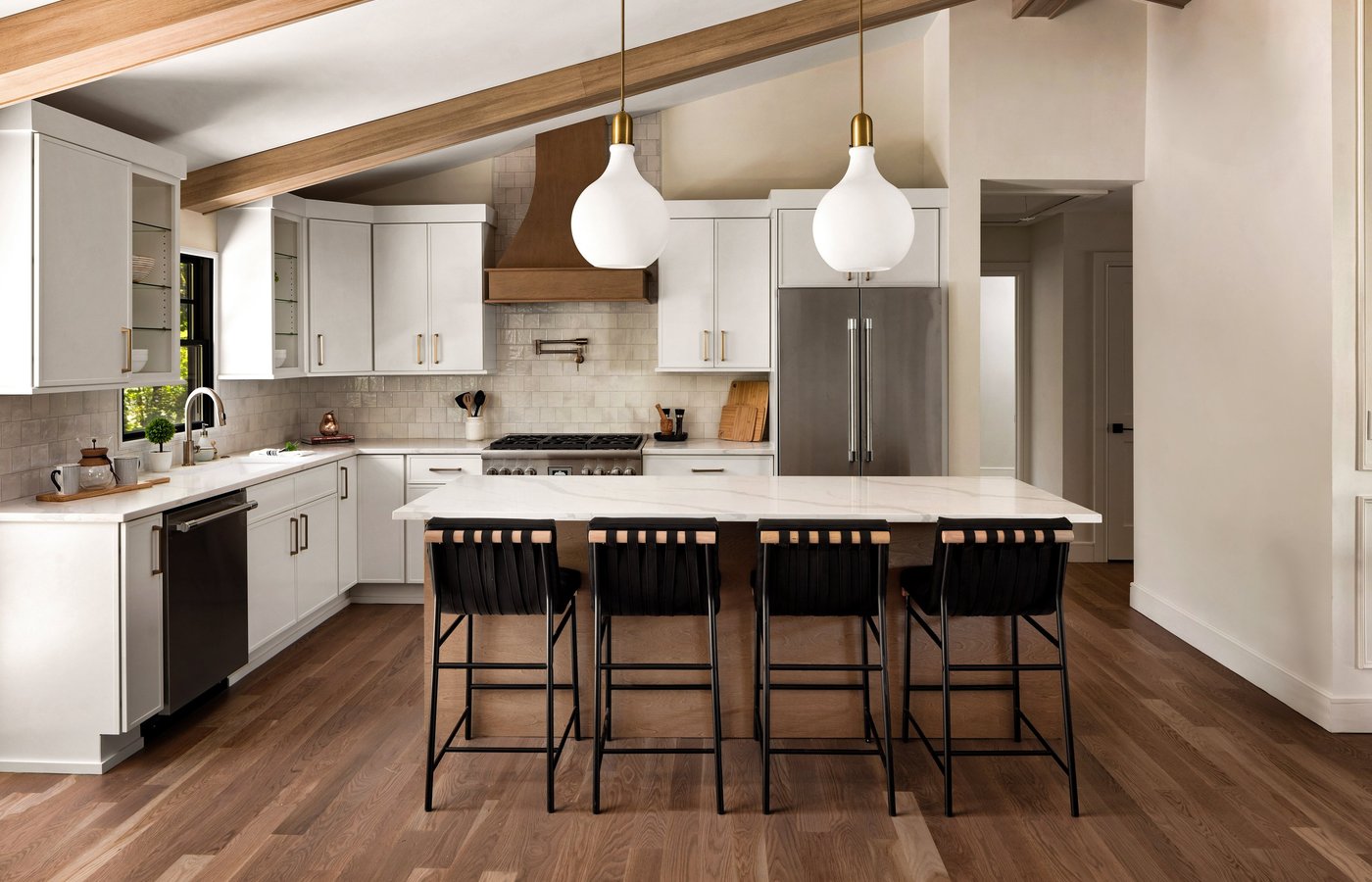
Guests do not evaluate a hotel the way a designer does. They rarely register the specification of a fixture or the provenance of a chair. Instead, they respond to atmosphere and to a small set of signals that promise comfort, cleanliness, and a sense of arrival. Effective hotel photography learns to speak in those signals.
Light and the Feeling of Time
Nothing communicates the mood of a space more directly than light. The quality of daylight through a window, the warmth of a bedside lamp at dusk, the way morning falls across linen all tell a guest what it will feel like to be there. Strong interior photography treats light as the primary subject, not an obstacle to correct in post. A room shot in flat midday glare feels clinical. The same room captured as the sun softens against a wall feels like somewhere you could rest.
A room photographed with intention feels considered, calm, and worth the cost, while the same room captured carelessly reads as ordinary.
Texture and Tactility
Guests want to imagine touching a space before they arrive in it. The weight of a curtain, the grain of a timber headboard, the crispness of folded towels, the softness of a rug underfoot. These tactile cues carry an outsized influence on perceived quality. Architectural photography that flattens texture into a smooth, over-processed surface strips away exactly the detail that makes a property feel premium. The goal is to preserve material honesty so a guest can almost feel the room through the screen.
The Promise of Cleanliness and Order
This is the least glamorous consideration and one of the most decisive. A single crumpled cushion, a visible cable, a smudged mirror, or a slightly askew lampshade can quietly undermine confidence. Guests notice these things even when they cannot articulate them. Meticulous styling and careful attention during the shoot are not vanity. They are a direct expression of the standard the property intends to uphold.
Views, Thresholds, and the Sense of Escape
Hospitality sells a change of setting. The view from a balcony, the transition from lobby to courtyard, the glimpse of a pool beyond a doorway. These moments promise escape, and they photograph best when composition frames them as a reward rather than a listing of amenities. A window is not just a window. It is the reason someone chose this room over another.
The Sequence of a Stay
Individual photographs matter, but a booking is persuaded by a sequence. Guests build a mental narrative as they scroll, and a coherent visual story is far more convincing than a collection of unrelated shots. Consider structuring imagery to mirror the arc of an actual stay.
- The arrival: exterior and entrance photography that establishes character and location
- The welcome: lobby, reception, and the first shared spaces that set the tone
- The retreat: guest rooms and suites, shown in both daylight and evening moods
- The rituals: bathrooms, dressing areas, and the small comforts of the room
- The indulgences: dining, spa, pool, and terraces that justify a longer stay
When a gallery moves through this sequence, prospective guests are not simply viewing rooms. They are rehearsing their visit. That rehearsal is what turns interest into a confirmed reservation.
Consistency Is a Form of Trust
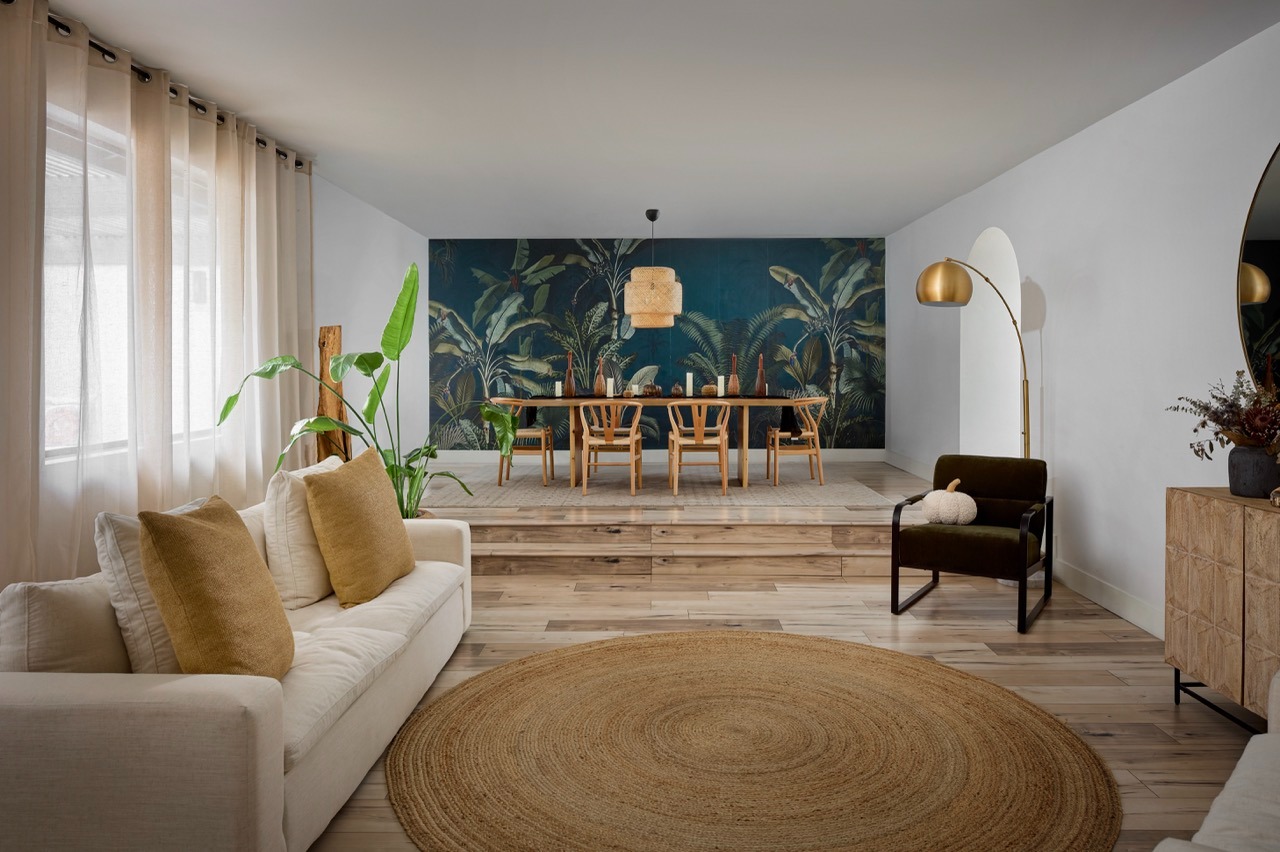
Few things weaken a property’s credibility faster than inconsistent imagery. A website where the lobby was shot in cool morning light, the suites in warm evening tones, and the restaurant with an entirely different color balance signals disorder, even to viewers who cannot name the problem. Coherent color, exposure, and perspective across an entire library create a sense of assurance. The property feels managed. The brand feels intentional.
Guests are not simply viewing rooms, they are rehearsing their visit, and that rehearsal is what turns interest into a reservation.
This consistency also protects the design work itself. A hotel represents an enormous investment of creative and financial resources from architects, interior designers, and builders. Photography that honors a shared visual language ensures that investment reads clearly to the audience it was made for.
Working With the Space, Not Against It
The best hotel imagery respects the architecture rather than distorting it. Wide-angle lenses can exaggerate a room into something that misrepresents the actual experience, setting up a quiet disappointment on arrival. Considered architectural photography keeps verticals true, uses perspective to reveal proportion honestly, and selects vantage points that flatter without fabricating. Guests remember when a space felt smaller in person, and that memory shapes reviews and repeat bookings.
Details That Reward a Closer Look
Beyond the establishing views, guests linger on the details that suggest care. These are the images that separate a memorable listing from a forgettable one.
- A tray of coffee and pastries staged on a sunlit table
- Fresh flowers or foliage that connect the room to its setting
- The interplay of a single well-chosen object against a quiet backdrop
- Layered textiles that make a bed look genuinely inviting
Detail photography works because it slows the viewer down. A guest who pauses on a beautifully composed corner is a guest who is already imagining themselves within it.
Photography as an Extension of Design
For the professionals who create these spaces, photography is the final act of design. It is the medium through which a completed project reaches the widest audience, whether that audience is a future guest, a prospective client, an editor, or a partner. Treating hotel photography as an afterthought undervalues everything that came before it. Treating it as an integral part of the project ensures the work is seen the way it was meant to be seen.
The details that drive bookings are rarely dramatic. They are the honest rendering of light, the preservation of texture, the discipline of order, and the quiet coherence of a well-told visual story. Get those right, and the photography does what every hotelier hopes for. It makes the choice feel obvious.
If you are preparing to present a property to the world, Matthew Lekker Photography would welcome the conversation.