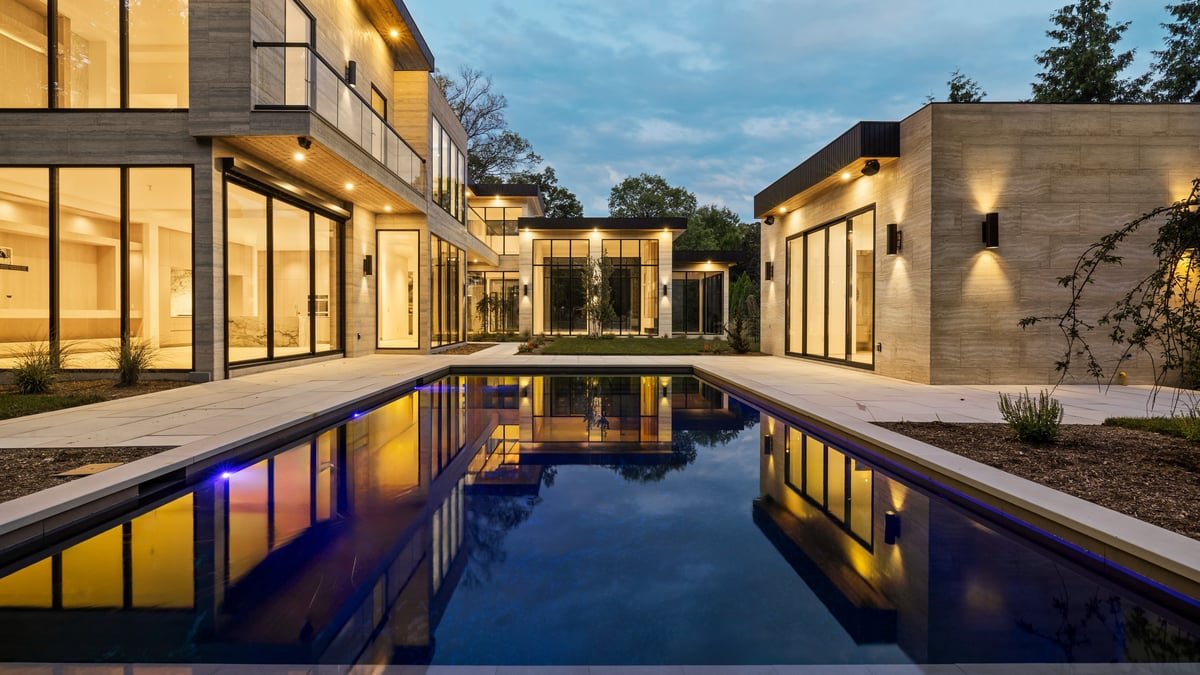
A portfolio is the quietest and most persuasive thing an architect owns. Long before a prospective client reads a word about your philosophy or reviews a proposal, they have already formed an impression from the images you present. That impression is rarely about the building alone. It is about how the building has been seen, framed, and translated into a photograph. A portfolio that commands attention is not a collection of documentation. It is a considered argument about the way you think.
For design professionals, the challenge is that the qualities that make architecture succeed in person do not automatically survive the journey into an image. Light, scale, proportion, and material texture all behave differently through a lens. Building a portfolio worthy of your work means understanding architectural photography as its own discipline, and treating it with the same rigor you bring to the drawings.
Start With Intent, Not Inventory
Many architects assemble a portfolio by gathering every project they have completed and choosing a few passable frames from each. The result reads as a record rather than a statement. The stronger approach is to begin with intent. Ask what you want a viewer to understand about your practice within the first thirty seconds, then curate ruthlessly toward that idea.
A portfolio built around intent is willing to leave good work out. A residential architect known for restraint gains nothing by including a project that photographed well but sits outside their voice. Coherence is more persuasive than volume.
A portfolio that tries to say everything ends up saying nothing with conviction.
Consider what your ideal client is trying to picture when they look at your work. A boutique hotelier wants to feel the atmosphere of a space and imagine how guests will move through it. A developer wants to understand how a building meets its site. When your curation anticipates these questions, the portfolio begins to work on the viewer’s behalf.
Understand What Great Architectural Photography Does
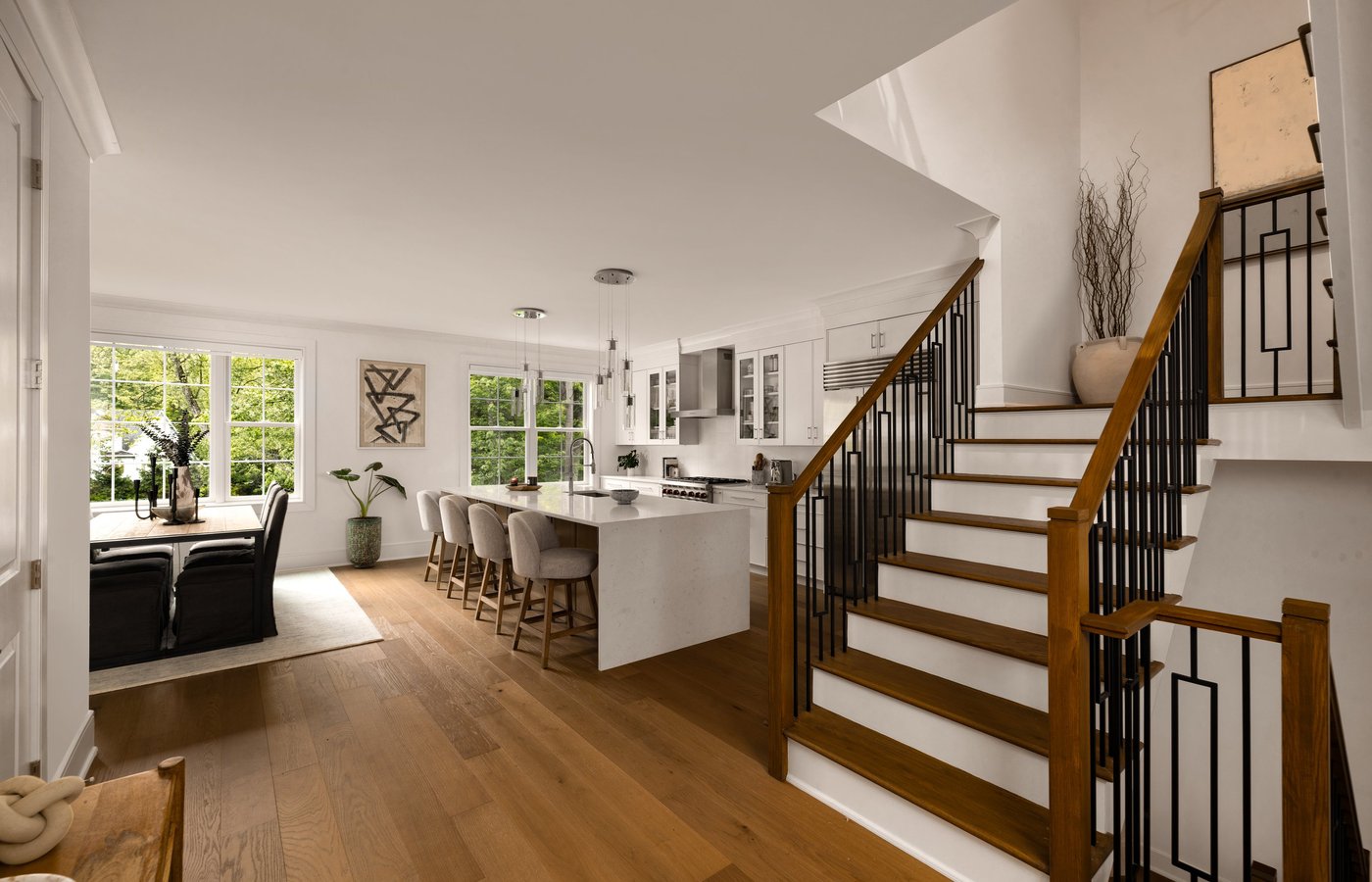
The finest architectural photography does more than reproduce a space accurately. It interprets the building’s logic. It reveals the sequence a visitor would experience, the relationship between structure and light, and the details that carry the design’s intelligence. This is where the difference between a snapshot and a photograph becomes decisive.
Several qualities separate portfolio-grade images from ordinary ones:
- Controlled perspective. Vertical lines stay vertical, and the geometry of the building is respected rather than distorted.
- Considered light. The image is shot at the hour when light describes the form most honestly, not simply when the schedule allowed.
- Material fidelity. Stone reads as stone, timber as timber. Texture and tone survive the translation.
- Intentional framing. Every element in the frame earns its place. Clutter, distraction, and accidental composition are removed.
Interior photography demands even greater discipline, because interiors combine architecture with styling, furnishing, and human scale. A single interior frame carries dozens of decisions about props, arrangement, and the balance between ambient and artificial light. When those decisions are made well, the space feels inhabited yet composed. When they are made carelessly, the image feels either sterile or chaotic.
Sequence the Story
A portfolio is read, not merely viewed. The order of images shapes how a project is understood. A thoughtful sequence often moves from the exterior and its context, through the threshold, into the primary spaces, and finally to the details that reward a closer look. This rhythm mirrors the way a person actually encounters a building, and it gives the viewer a sense of spatial understanding rather than a disconnected gallery.
Balance the Wide and the Intimate
Relying only on wide establishing shots flattens a project into real estate documentation. Relying only on details leaves the viewer disoriented. The most compelling architectural narratives alternate between the two, allowing the wide frame to establish the idea and the detail to prove the craftsmanship. A well-photographed junction between two materials can communicate more about a practice’s care than an entire elevation.
Invest in Professional Photography
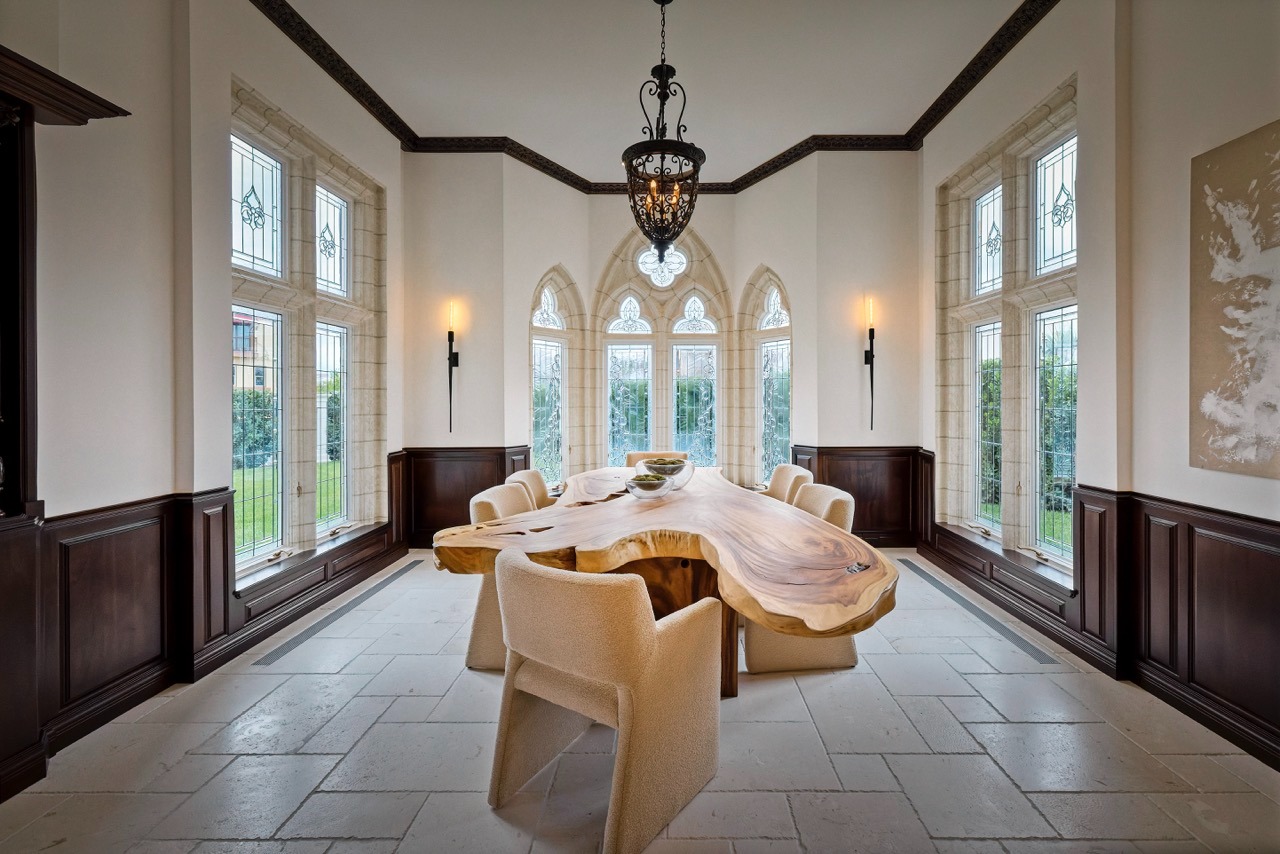
The temptation to photograph a project yourself, or to accept the builder’s phone images, is understandable when budgets are tight. But the portfolio is the single asset that generates future work, and it deserves proportionate investment. Professional architectural photography is not an expense against a finished project. It is an investment in the next commission.
The images outlive the project and continue selling the practice long after the site is closed.
When working with a photographer, treat the collaboration as you would any design partnership. Share the project narrative, the moves you are most proud of, and the conditions you want to capture. A photographer who understands your intent can make choices on site that a brief alone could never anticipate. Discuss the deliverables you actually need, from hero images for competition entries to a broader set for your website and publications.
Curate for the Platforms That Matter
A portfolio now lives in several forms at once. The printed monograph, the studio website, the social feed, and the awards submission each ask something slightly different of the same body of work. Rather than forcing one set of images to serve all uses, plan for the range from the outset.
- Website: a tight, sequenced selection that loads quickly and reads clearly on any screen.
- Awards and publications: technically precise images that meet resolution and formatting standards.
- Social platforms: a curated feed that maintains your visual voice rather than diluting it.
Realtors and developers, in particular, benefit from images optimized for the platforms where buyers first encounter a property, while builders and interior designers gain from a portfolio that credits their contribution within a larger design story.
Maintain Consistency Across Projects
A portfolio commands attention when it feels authored by a single sensibility. This does not mean every project must look identical, but the treatment of light, color, and framing should feel recognizably yours. Working with a consistent photographer, or at least a consistent visual standard, protects this coherence over time. When a viewer moves from one project to the next and senses continuity, they trust the practice behind it.
Revisit and Refine
A portfolio is not finished when it is published. As your practice evolves, older projects that once represented your best work may begin to hold it back. Revisit the collection annually. Retire the images that no longer reflect your ambition, and give room to the work that points toward where you are going. The goal is a portfolio that always looks slightly ahead of your current reputation.
The Portfolio as an Extension of Practice
Ultimately, a portfolio that commands attention is one that treats photography as part of the design process rather than an afterthought at the end of it. The care you bring to a detail, a threshold, or a plane of light deserves an equal care in how it is recorded and shared. For architects, interior designers, builders, and hoteliers alike, the photograph is where the work meets the world.
If you are ready to give your projects the photography they deserve, we would be glad to hear from you at Matthew Lekker Photography.