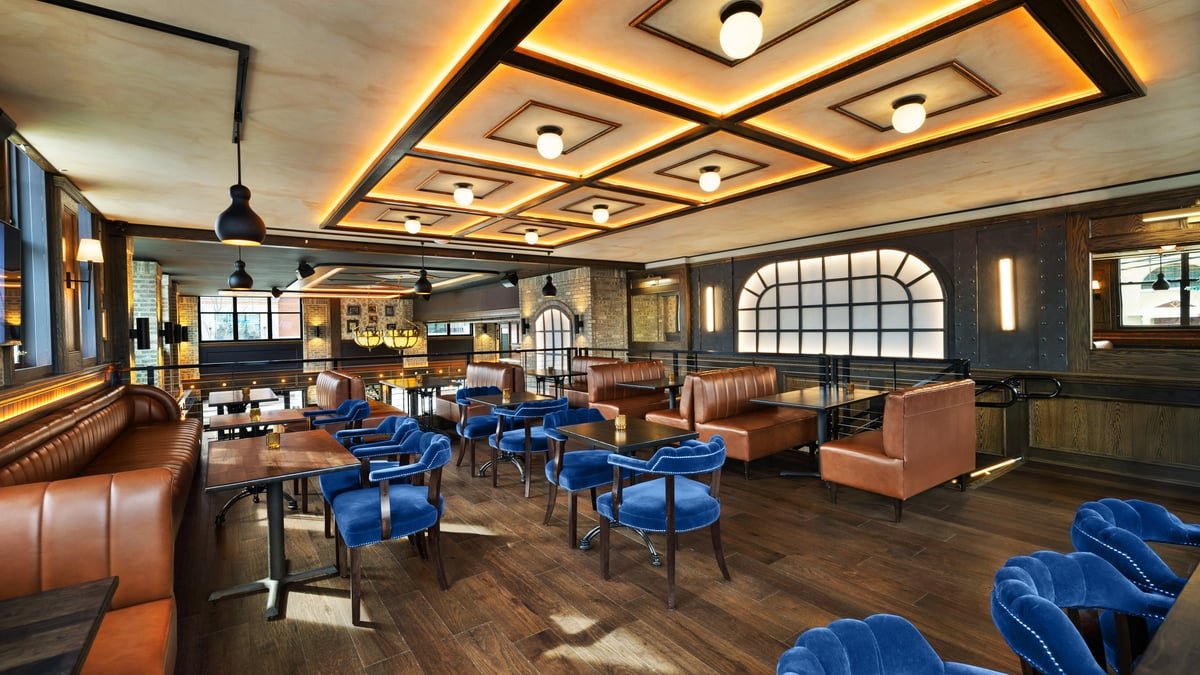
Commissioning a professional photographer is a considered investment. For architects, interior designers, builders, hoteliers, and realtors, a strong set of images represents months, sometimes years, of design decisions distilled into a handful of frames. Yet a surprising number of practices treat these photographs as a single deliverable, filed away after one appearance on a homepage or a project page. The images deserve better, and so does your marketing.
The value of architectural photography is not exhausted by its first use. A well-composed set of interior photography can support a marketing programme for years, working quietly across websites, print, publications, social media, and client presentations. The discipline lies in understanding how each channel behaves and preparing your imagery to perform there with intention rather than convenience.
Begin With the Right Set of Files
Before a single image reaches a channel, it helps to know what you actually have. A thoughtful photography commission should provide more than one version of each frame. When you receive a gallery, look for high-resolution masters suitable for print, alongside web-optimised versions that load quickly without visible compromise.
The distinction matters. Print work demands the full resolution and colour depth of the original file, while digital channels reward smaller, faster-loading images. Using a print-grade file on a website slows the page and frustrates visitors; using a web file in a magazine spread produces soft, disappointing results. Ask your photographer to clarify which files serve which purpose, and store them in a clearly labelled library your whole team can navigate.
The value of architectural photography is not exhausted by its first use.
Consider Orientation and Crop From the Start
A frame composed for a landscape hero banner rarely translates gracefully to a vertical social post. The most useful commissions anticipate this, capturing spaces with room to crop in multiple directions. When you plan a shoot, discuss the aspect ratios you know you will need: wide horizontals for website headers, squares and verticals for social platforms, and generous full frames for print. A little foresight during the shoot spares you awkward cropping later.
Your Website Sets the Standard
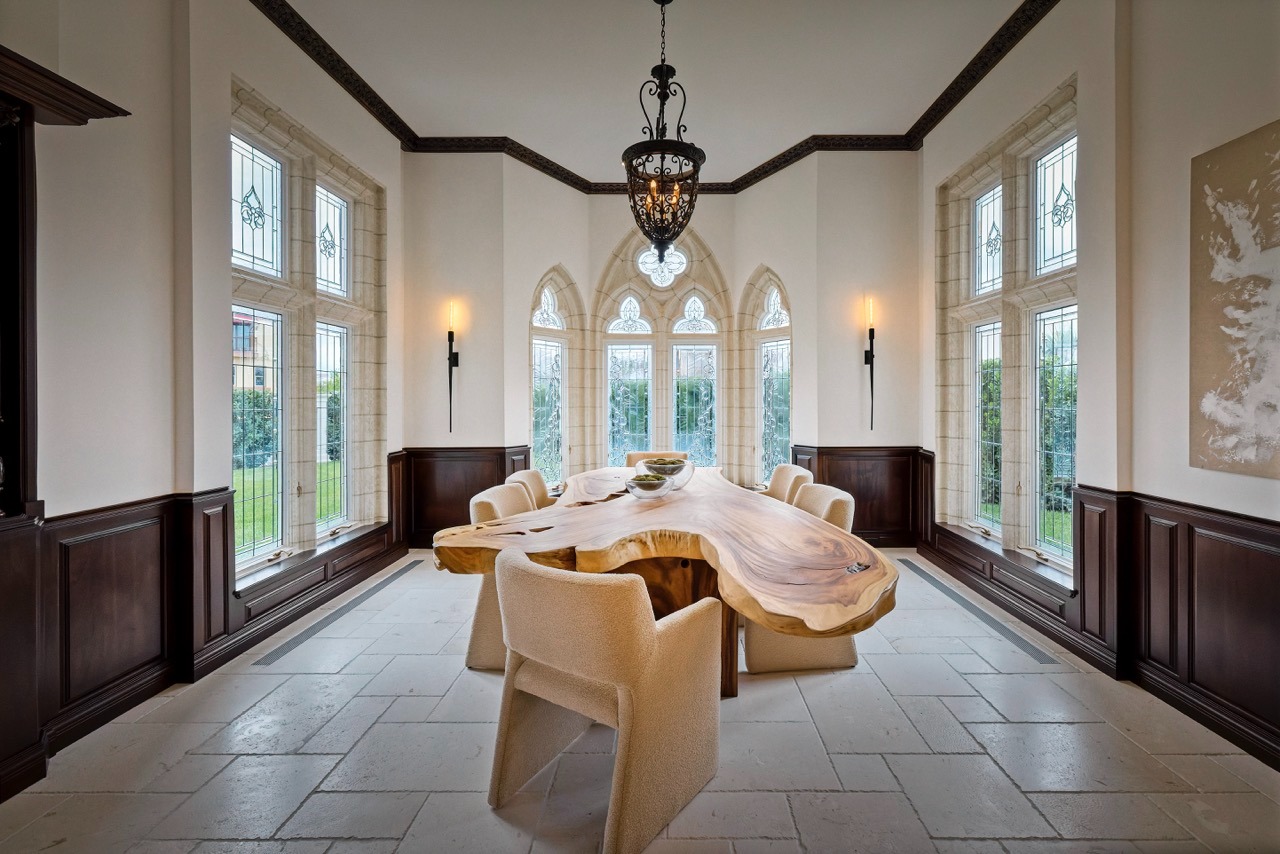
For most design practices, the website is the primary stage. It is where prospective clients form their first impression, and where interior photography does its most persuasive work. Lead with your strongest single image, then build project pages that tell a coherent spatial story rather than presenting a scattered assortment of angles.
Sequence matters here. Arrange images the way a visitor would experience the space: an establishing exterior or entry shot, a movement through principal rooms, and then the intimate details that reveal craftsmanship. This narrative approach keeps attention and communicates the intent behind the design far more effectively than a grid of unrelated frames.
- Use web-optimised files to protect page speed.
- Add descriptive alt text naming the project, location, and design discipline to support search visibility.
- Keep captions restrained and factual, letting the imagery carry the story.
Editorial and Print Submissions
Publication remains one of the most credible endorsements a design practice can earn. Design editors work almost exclusively with high-resolution files and expect professional architectural photography that holds up at full-page scale. When you submit to a magazine or awards programme, provide the master files, note the photographer’s credit clearly, and confirm any usage terms in advance.
Print collateral deserves the same rigour. Brochures, monographs, and project sheets all rely on the depth and clarity that only full-resolution photography provides. A beautifully printed portfolio, handed to a client at the right moment, still carries a weight that no screen quite matches.
Respect Usage Rights and Credits
Photography licensing varies, and it pays to understand what your agreement permits. Some commissions grant broad usage; others limit it by time, territory, or channel. Clarify these terms early so you can plan confidently across print and digital, and always credit the photographer where convention or contract requires. This is not merely courtesy; it protects a working relationship you will likely want to draw on again.
Social Media and the Longer Life of an Image
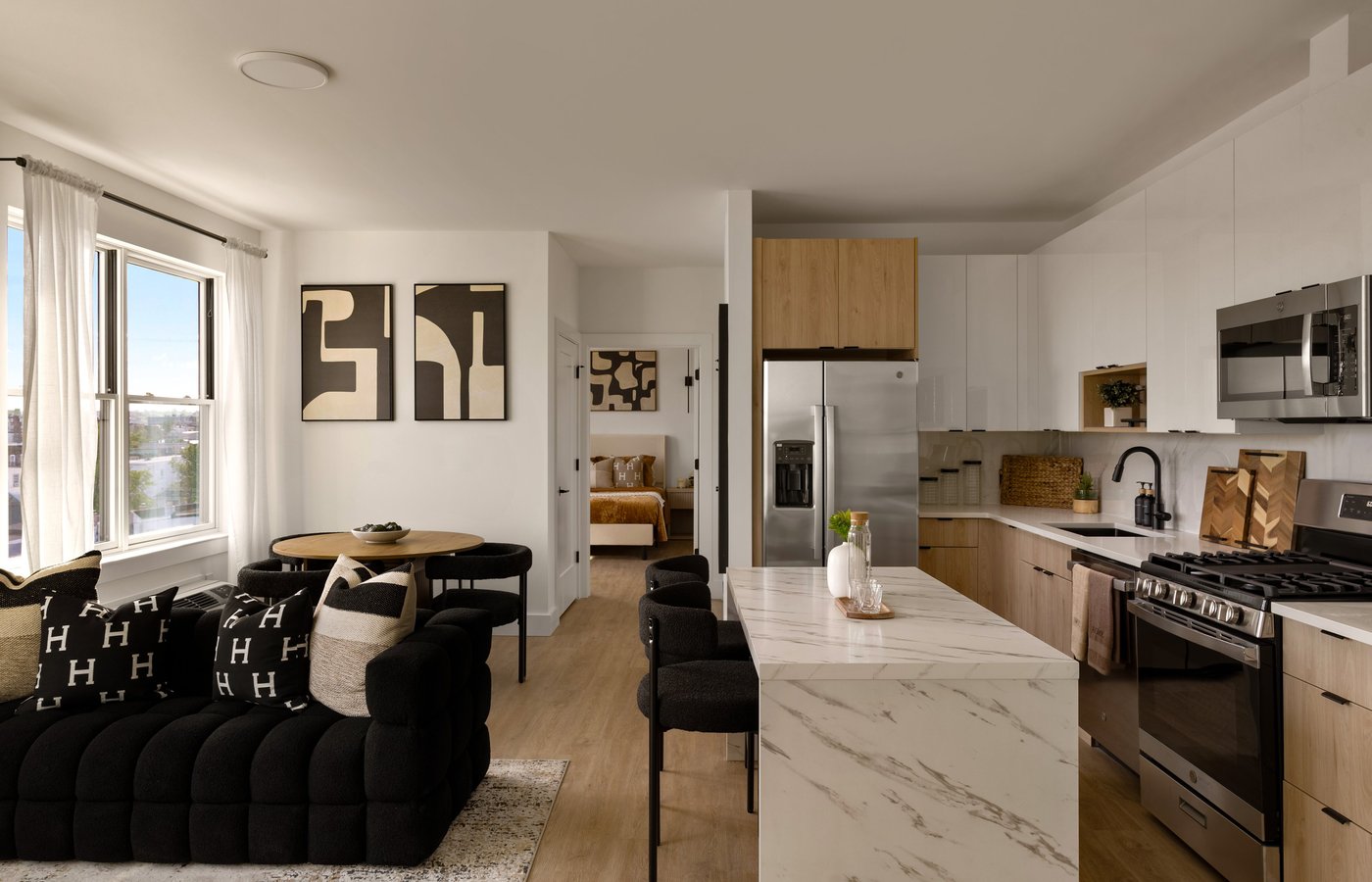
Social platforms reward consistency and patience. A single project shoot can supply weeks of considered content if you resist the urge to post everything at once. Release images gradually, pairing each with a brief note on a material choice, a lighting decision, or a client brief. This transforms a static gallery into an ongoing narrative about how your practice thinks.
A single project shoot can supply weeks of considered content if you resist the urge to post everything at once.
Vertical and square crops perform best on mobile-first platforms, which returns us to the value of planning orientation during the shoot. Detail shots, in particular, travel well on social media: a joinery detail, a play of light across plaster, a considered transition between materials. These fragments invite closer looking and often outperform wide establishing views that lose impact on a small screen.
Client Presentations and Business Development
Beyond public channels, your imagery earns its keep in the quieter arenas of pitches, proposals, and presentations. A prospective client evaluating your studio wants to see how you resolve real spaces, not renderings or stock imagery. Professional interior photography lends credibility and shows outcomes with a clarity that words cannot.
Curate a presentation set distinct from your public portfolio. Choose images that speak to the specific project at hand, whether that is hospitality, residential, or commercial work. For hoteliers and developers, a tailored selection demonstrating comparable spaces can be the deciding factor in a competitive process.
Build a System, Not a Scramble
The practices that extract the most value from their photography treat it as an organised asset rather than a series of one-off uploads. A simple, well-maintained image library saves hours and prevents the familiar last-minute hunt for a usable file.
- Organise by project, then by resolution and channel.
- Note licensing terms and photographer credits alongside each set.
- Keep a shortlist of your strongest images ready for unexpected opportunities.
When your team can find the right file in moments, opportunities stop slipping past. An unexpected press request, a last-minute award deadline, or a sudden pitch becomes a matter of confident selection rather than anxious searching.
Every Channel, One Coherent Voice
The aim across all of this is coherence. Whether a client encounters your work on a website, in a magazine, across social media, or in a printed proposal, the imagery should feel unmistakably yours. That consistency builds recognition and trust over time, quietly reinforcing the character of your practice with every appearance.
Professional photography is most powerful when it works everywhere it should, in the form each channel demands, guided by intention rather than habit. The image itself may be fixed, but its usefulness is only as broad as the thought you bring to deploying it.
If you are planning your next project shoot or reconsidering how your existing imagery is working across your channels, we would welcome a conversation at Matthew Lekker Photography.