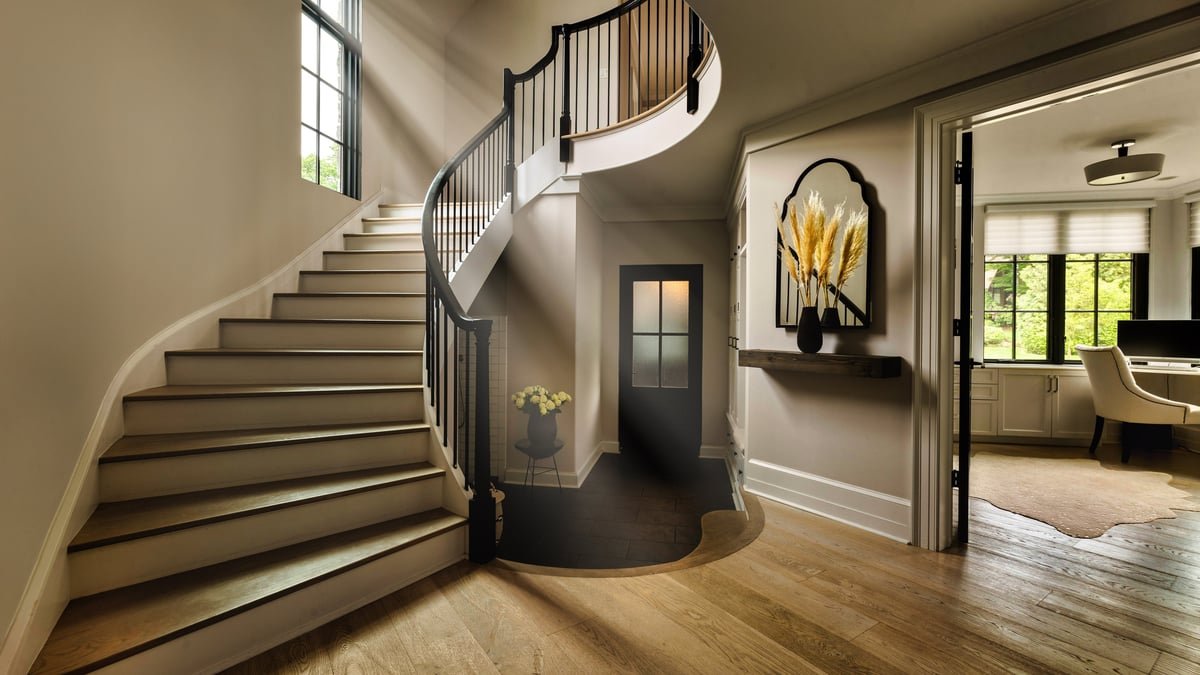
Shoot day tends to receive all the attention. It is the visible part of the process, the day the space is styled, the light is chased, and the camera does its work. Yet for anyone who commissions architectural photography or interior photography, the more consequential work often begins once the equipment is packed away. The images you eventually receive are shaped as much by the quiet hours at the desk as by the hours on location.
Understanding what happens between capture and delivery helps design professionals set realistic expectations, plan their marketing timelines, and appreciate why considered work cannot be rushed. This is a look at the process that turns a day of photography into a finished, publication-ready set.
The First Review: Selecting With Intention
Before any refinement begins, there is selection. A single interior might be photographed from several angles, at different focal lengths, and across a range of light. A full project can generate hundreds of frames. The first task is to narrow that volume down to the images that genuinely serve the space and the brief.
This is not simply about discarding technical mistakes. It is an editorial judgement about which frames tell the truth of the architecture, which compositions hold together, and which views a designer or hotelier will actually use. A strong edit protects you from being overwhelmed by near-duplicates and ensures every delivered image earns its place.
A strong edit is not about how many photographs survive, but about how few are needed to tell the story completely.
Choosing the moment within the moment
Architectural interiors change throughout the day. A living space may be photographed as morning light rakes across a wall and again as the afternoon softens it. During selection, the photographer often chooses between these moments, or notes which frames should later be combined. This is where the narrative of a space starts to take shape, long before any adjustments are applied.
Blending, Correcting, and the Discipline of Restraint
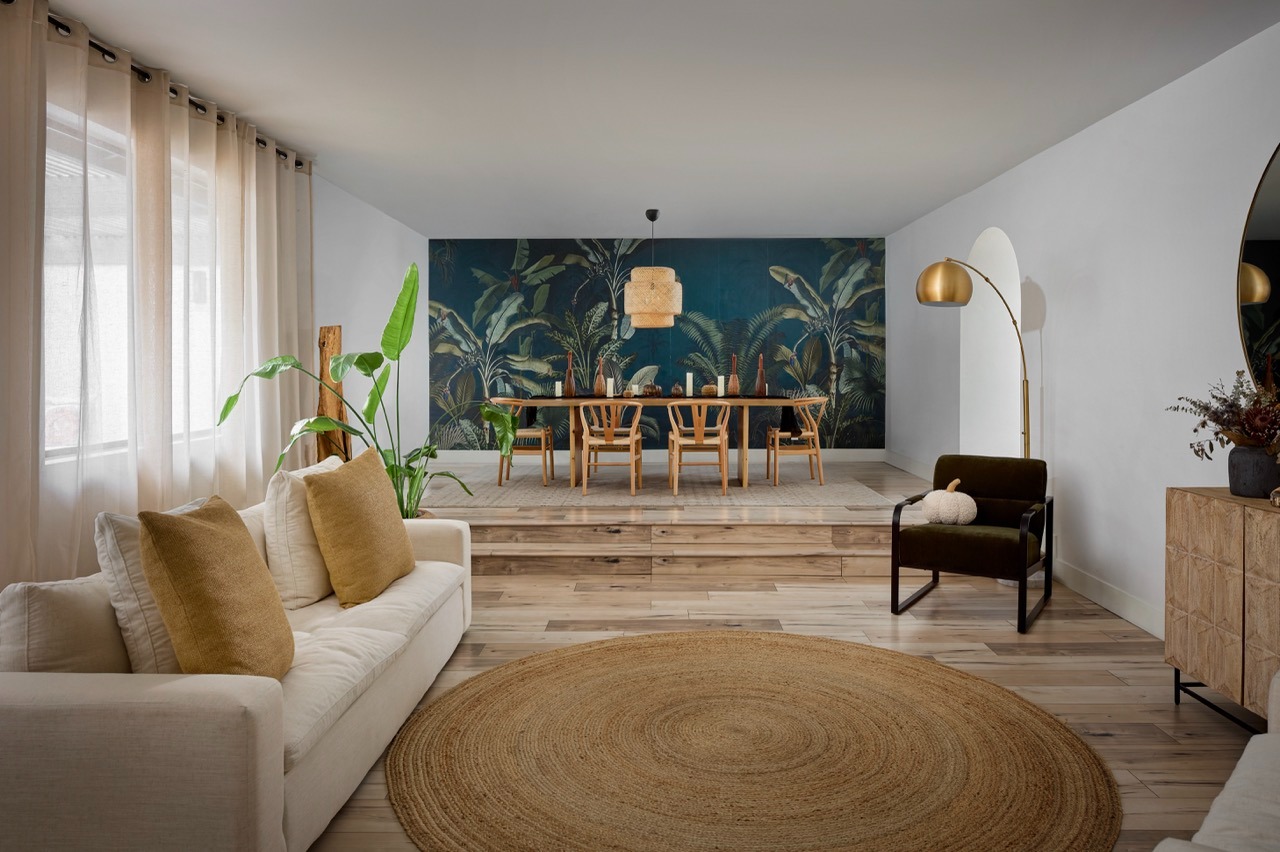
Much of interior photography relies on blending multiple exposures. Interiors hold enormous contrast: bright windows against shadowed corners, warm lamplight against cool daylight. No single exposure captures the full range as the eye perceives it. Careful blending reconciles these extremes so that a room reads naturally, with detail preserved in both the view outside the window and the darker recesses within.
Alongside blending comes correction. Vertical lines must stand true, because converging walls make architecture feel unstable. Colour must be honest, so that a designer’s chosen palette is represented faithfully rather than distorted by mixed lighting. Distracting reflections, stray cables, and the small imperfections of a working environment are addressed with a light hand.
The governing principle throughout is restraint. The aim is never to invent a space that does not exist, but to present the real one at its considered best.
- Perspective correction to keep verticals true and geometry honest
- Exposure blending to balance interior and exterior light
- Colour calibration to represent materials and finishes accurately
- Selective cleanup of temporary clutter and technical distractions
Why accuracy matters to design professionals
For architects and interior designers, a photograph is a record of the work as much as a marketing asset. An image that exaggerates or misrepresents undermines trust with clients and peers. For builders and realtors, accuracy carries a practical and even legal weight; a property should look like itself. Restraint in post-production is therefore not an aesthetic preference alone. It is a matter of professional integrity.
Refinement and Consistency
Once the foundational work is complete, attention turns to refinement. This is where a set of images becomes cohesive rather than merely correct. A collection of interiors photographed across a hotel, for instance, should feel as though it belongs to one visual language. Tone, contrast, and warmth are calibrated so that the images sit comfortably together on a website, in a brochure, or across a portfolio.
Consistency is quietly demanding. Different rooms have different light and different materials, yet the finished set must feel unified. Achieving this requires moving between images repeatedly, comparing them, and adjusting until the whole reads as a considered body of work rather than a series of unrelated frames.
Consistency is what turns a folder of correct images into a coherent portrait of a place.
Delivery: More Than Handing Over Files
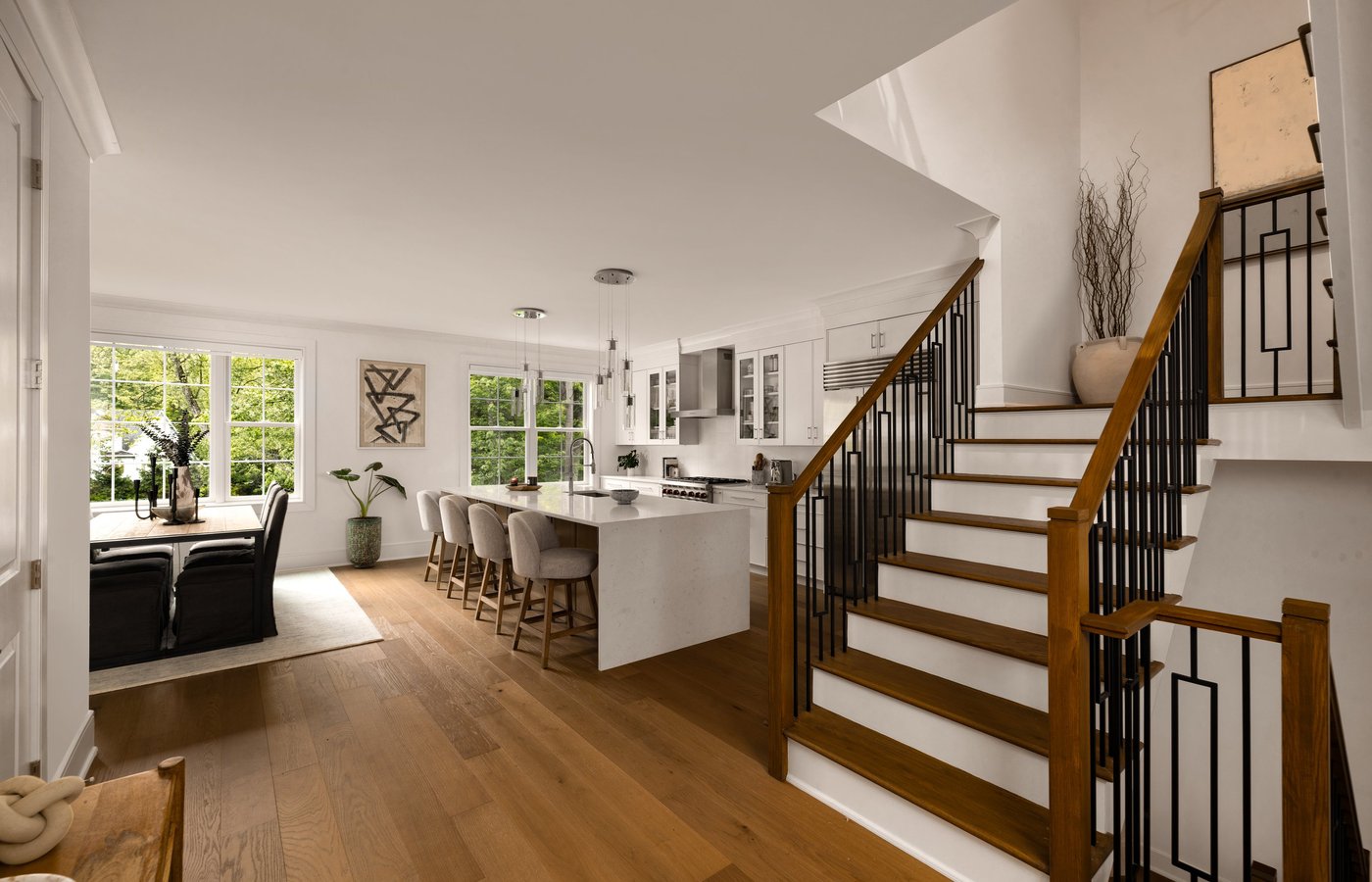
Delivery is often treated as a formality, but it deserves the same care as everything preceding it. Design professionals use their photography in many contexts, and a thoughtful delivery anticipates those needs.
Formats and sizing
A website hero image and a printed magazine spread have entirely different requirements. Well-prepared delivery typically includes high-resolution files for print and appropriately sized versions for web use, so that images load quickly online while retaining full quality for publication. Providing both spares the client from resizing files themselves and reduces the risk of poor reproduction.
Organisation and licensing
Clear file naming and logical folder structures matter more than they appear to. When images are organised by room, by space, or by intended use, they remain findable months and years later, when a marketing team returns to them for a new campaign. Alongside the files, a clear understanding of usage rights ensures everyone knows where and how the photographs may be published.
- High-resolution files suitable for print and press
- Optimised versions prepared for web and social use
- Consistent, descriptive file naming
- Clear licensing terms for confident, worry-free use
Why the Timeline Is Worth Respecting
It is reasonable to want images quickly, particularly when a project launch or listing depends on them. Yet the work described here cannot be compressed indefinitely without cost to the result. Selecting well, blending carefully, correcting honestly, and refining for consistency all take time and attention.
For design professionals, the practical takeaway is to build this into your planning. If a hotel opening or a portfolio update depends on finished photography, allow room in the schedule for the post-production phase rather than assuming images arrive the day after the shoot. The photographs represent your work to the world, and a short additional wait is a modest price for images that hold up in print, online, and over the long life of a project.
The camera stopping is not the end of the process. In many ways it is the beginning of the part that determines whether a set of photographs merely documents a space or genuinely elevates it. The care invested after the shoot is what allows architectural and interior photography to serve you well for years.
If you are planning a project and would like photography made with this level of consideration, you are warmly invited to get in touch with Matthew Lekker Photography.