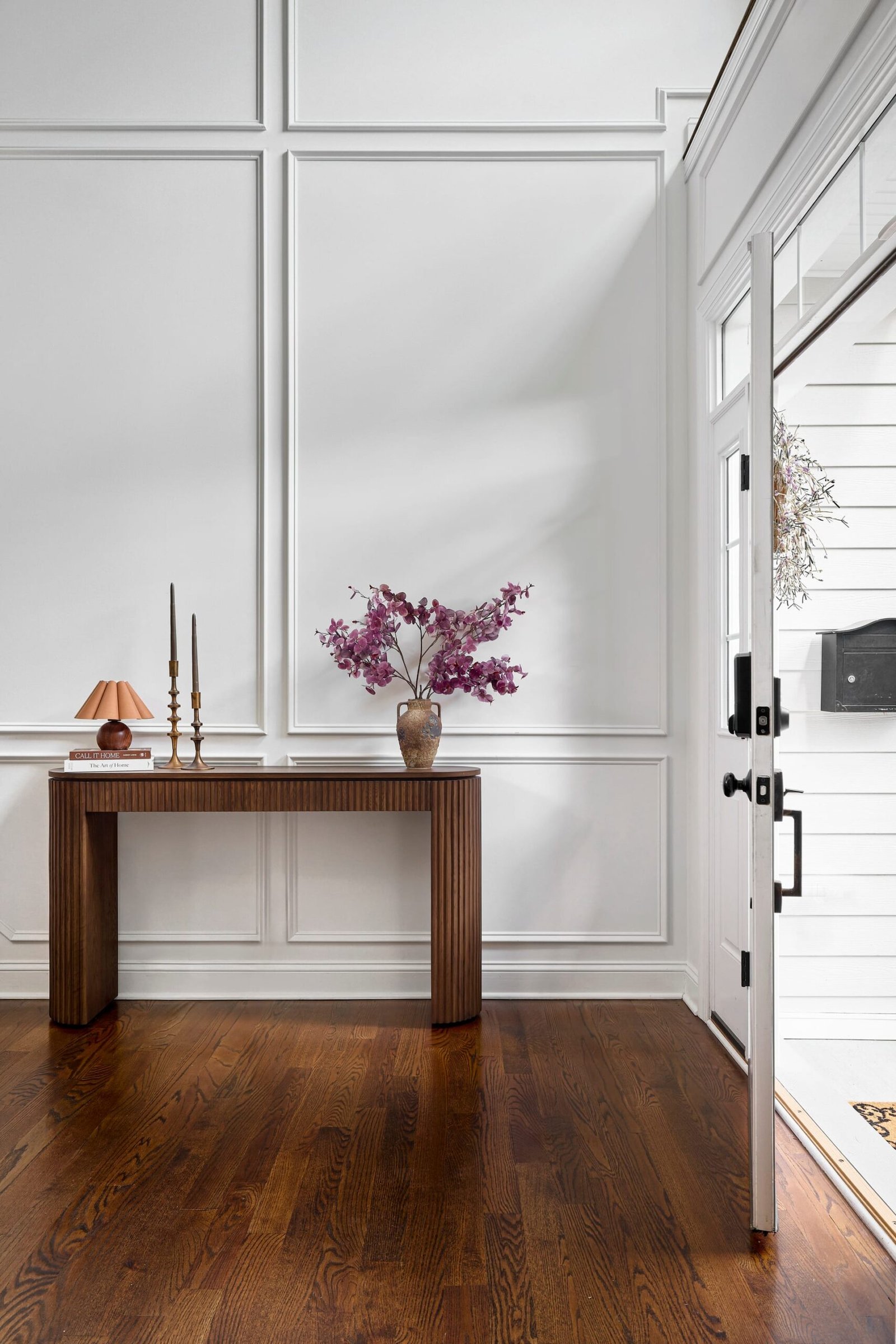
The Window as a Second Room
Every window is a promise. It tells the eye that the space continues beyond the wall, that there is a garden, a street, a skyline, or a stretch of sea waiting just past the glass. In architectural photography and interior photography alike, the window is rarely neutral. It is a frame within the frame, a second composition nested inside the first, and how we treat it can change the entire character of an image.
Design professionals understand this instinctively. An architect positions a window to capture a particular prospect. An interior designer dresses it to soften or celebrate the light. A hotelier knows that a room with a view commands a different rate. The photograph must honor all of that intention, which means the view beyond the glass deserves as much consideration as the furniture in front of it.
A window is a frame within the frame, a second composition nested inside the first.
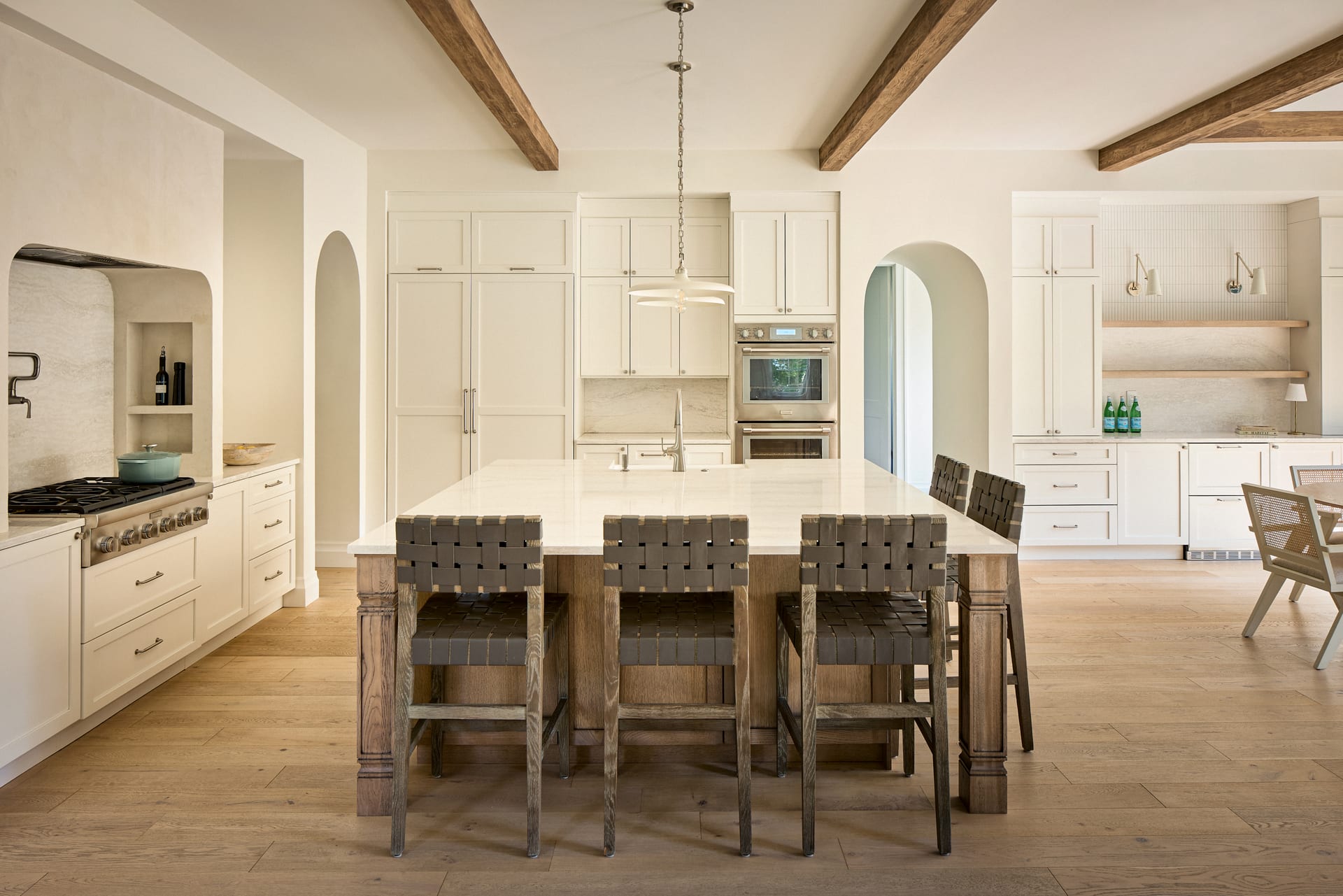
The Technical Problem of Two Worlds
The central difficulty is one of contrast. The interior is almost always darker than the world outside, sometimes by several stops of light. Expose for the room and the window becomes a blown-out rectangle of white. Expose for the view and the interior sinks into shadow. The eye, standing in the room, reconciles both effortlessly. The camera cannot, at least not in a single frame.
This is why so much of the craft happens in the balance between inside and outside. There are several approaches, and the right one depends on the space, the hour, and the story the image needs to tell.
Exposure Blending
The most reliable method is to capture multiple exposures from a locked-off tripod position: one tuned to the interior, one to the view, and often one or two in between. These are then blended so that both realms read naturally. Done with restraint, the result looks exactly as the room feels to a person standing in it, which is the goal. Done carelessly, it produces that flat, over-processed look that announces itself immediately and undermines the credibility of the space.
Timing the Light
The gap between interior and exterior brightness narrows at the edges of the day. In the blue hour after sunset, interior lighting and the fading sky can fall within a workable range, letting a single frame hold both. For a hotel suite or a residential living room, this balance can be more persuasive than any amount of blending, because the light itself is doing the reconciling.
Managing the Interior Light
Sometimes the answer is simply to add light inside rather than fight the light outside. Lifting the interior exposure with careful, considered lighting brings the room closer to the brightness of the view, reducing the contrast that causes the problem in the first place. The aim is never to flood a space but to let it meet the daylight on more even terms.
What the View Should Do for the Image
A visible view is not automatically an asset. It must serve the composition rather than compete with it. When the world beyond the glass is beautiful and relevant, it should be allowed to speak. When it is cluttered, unremarkable, or distracting, it may be better softened, obscured, or left as a gentle glow.
- A view that anchors a sense of place tells the viewer where the building stands. A coastline, a city grid, a line of mountains, or a mature garden locates the architecture in its context.
- A view that extends the design connects inside to out, reinforcing the relationship an architect built between the interior and its surroundings.
- A view that must be controlled might be a parking lot, a neighbor’s wall, or an overcast sky with no detail. Here the glass can be treated as a source of light rather than a window onto something specific.
Reflections and the Glass Itself
Glass is never fully transparent. It carries reflections, and those reflections can either enrich an image or ruin it. A faint reflection of the room on the window can add depth and a sense of enclosure. A hard reflection of the tripod, the photographer, or a bright lamp is a flaw that pulls the eye straight out of the frame. Reading the glass carefully, and adjusting the camera position by even a few degrees, often resolves what no amount of editing can.
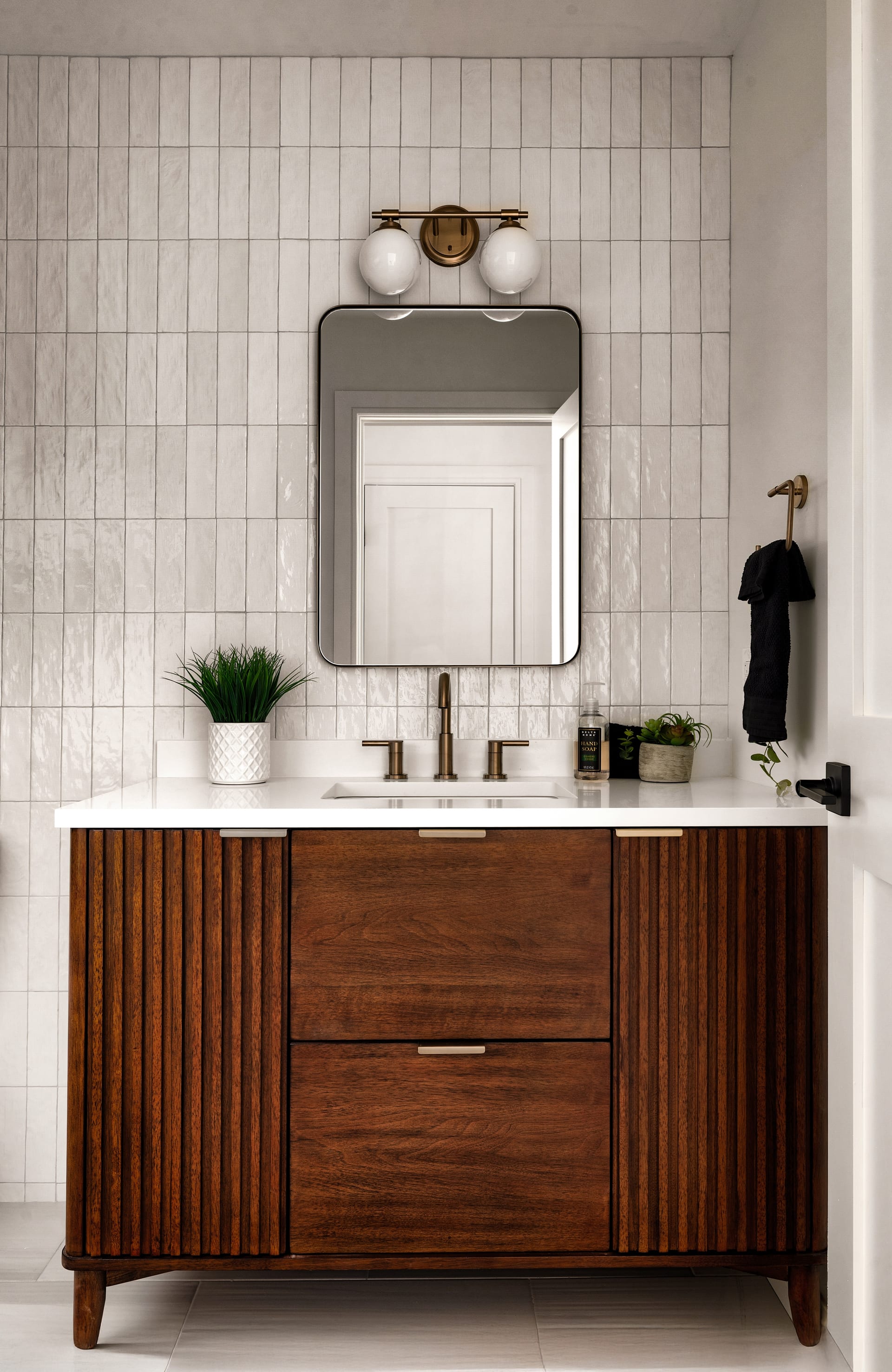
Composing With the Window
Once the exposure is handled, the window returns to being a compositional element. Its placement within the frame matters as much as any other line in the room. A window set off-center can balance a heavier mass of furniture. A row of windows creates rhythm along a wall. A single tall window can act as a vertical anchor that governs the whole image.
Consider how much of the view to include. A sliver of landscape glimpsed through a partly obscured pane can be more evocative than a full, unobstructed panorama. The suggestion of a world beyond is sometimes more powerful than its complete disclosure.
The suggestion of a world beyond is sometimes more powerful than its complete disclosure.
Window Dressing and Intention
For interior designers and stylists, the treatment of a window is a statement in itself. Sheer curtains diffuse light and lend softness. Open shutters frame the view like a painting. Bare glass makes a clean, modern declaration. In photography, these choices should be respected and read correctly. Half-drawn blinds photograph as indecision, so the decision about how the window presents itself should be made before the shutter is pressed, not left to chance.
A Note for Different Spaces
The role of the view shifts with the type of property. For a boutique hotel, the view is often the product, and it should be rendered with clarity and warmth to convey exactly what a guest will wake to. For a residential listing, the window reassures a buyer about light, outlook, and privacy. For an architect documenting a project, the window demonstrates a considered relationship between structure and site. The same technical care serves each, but the emphasis changes with the audience.
What unites them is honesty. A window photograph should not promise a view that does not exist or exaggerate one that is modest. The most trusted architectural and interior images are those that a visitor, standing in the room later, recognizes immediately as true.
The Quiet Discipline
Photographing the window well is a discipline of patience. It asks you to wait for the right light, to work methodically with exposure, to read reflections with a careful eye, and to decide what the view should contribute to the story of the space. The reward is an image that breathes, that connects the room to its world, and that lets the architecture speak across both sides of the glass.
If you have a space whose views deserve to be captured with this kind of care, we would be glad to hear from you at Matthew Lekker Photography.
Add us as a preferred source on Google
Add as preferred source