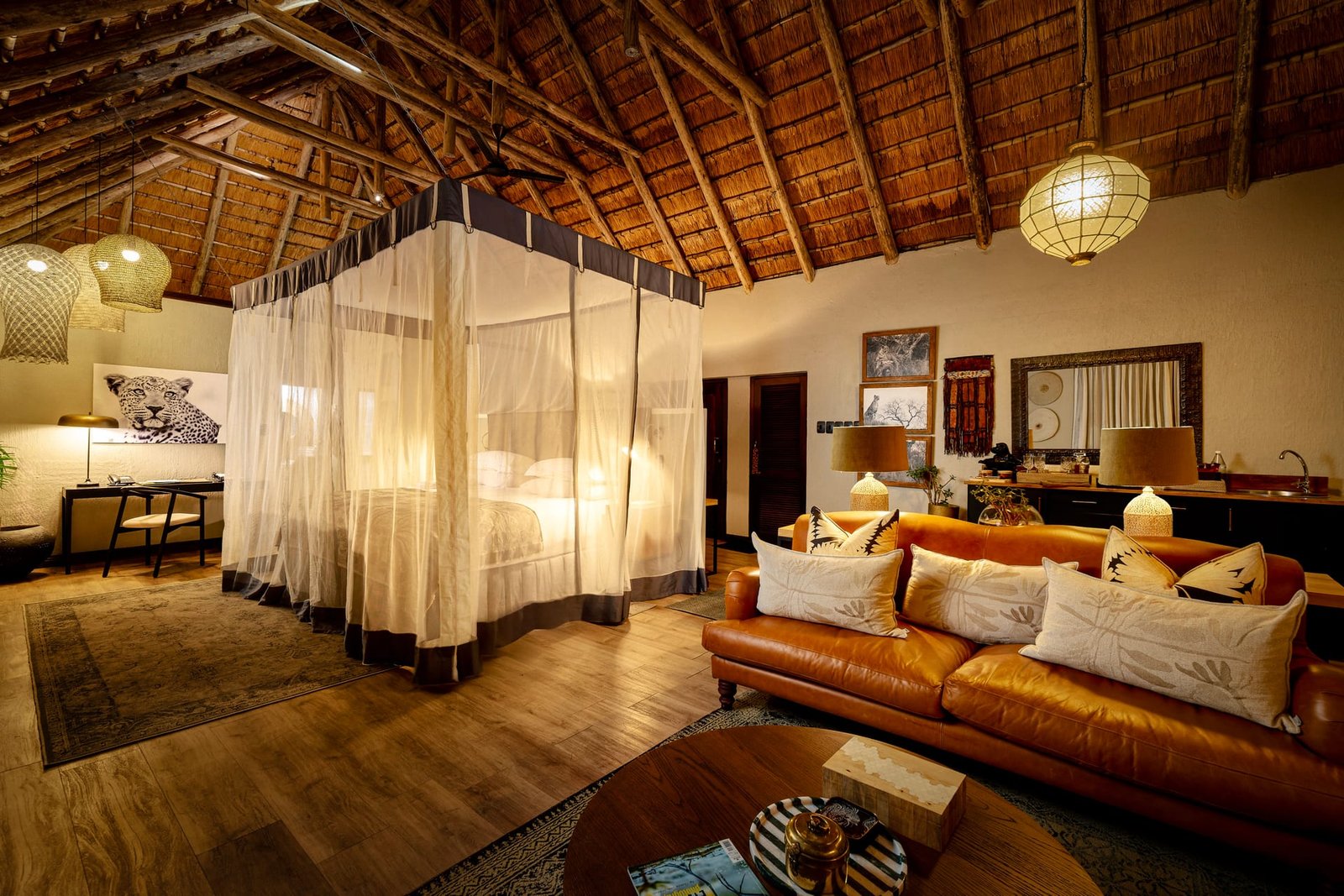
The Case for the Close View
Every space is made of large gestures and small decisions. The wide establishing frame earns attention first, and rightly so. But it is often the detail, the vignette, that lingers in memory long after the overview has faded. A brass tap against honed marble. The join where a handrail meets its newel. A stack of folded linen on an open shelf. These are the moments where the character of a space becomes legible, and where architectural photography moves from documentation toward storytelling.
For design professionals, the vignette is not a decorative afterthought. It is proof of intention. The wide shot shows what a room is; the detail shows how it was made, and how it will be used. A portfolio built only on sweeping views tells half a story. The close view completes it.
What a Vignette Actually Is
A vignette, in this sense, is a tightly framed image that isolates a single idea. It might be a material transition, a piece of hardware, a corner of a built-in, or an arrangement of objects that suggests daily life. It is not merely a crop of something larger. It is a deliberate composition that could stand on its own, with its own balance, light, and point of focus.
The wide shot shows what a room is; the detail shows how it was made.
The best vignettes feel discovered rather than staged. They have the quality of a glance across a room that caught on something worth a second look. That sense of ease is deceptive, because a strong detail image usually requires more care than a wide frame, not less.
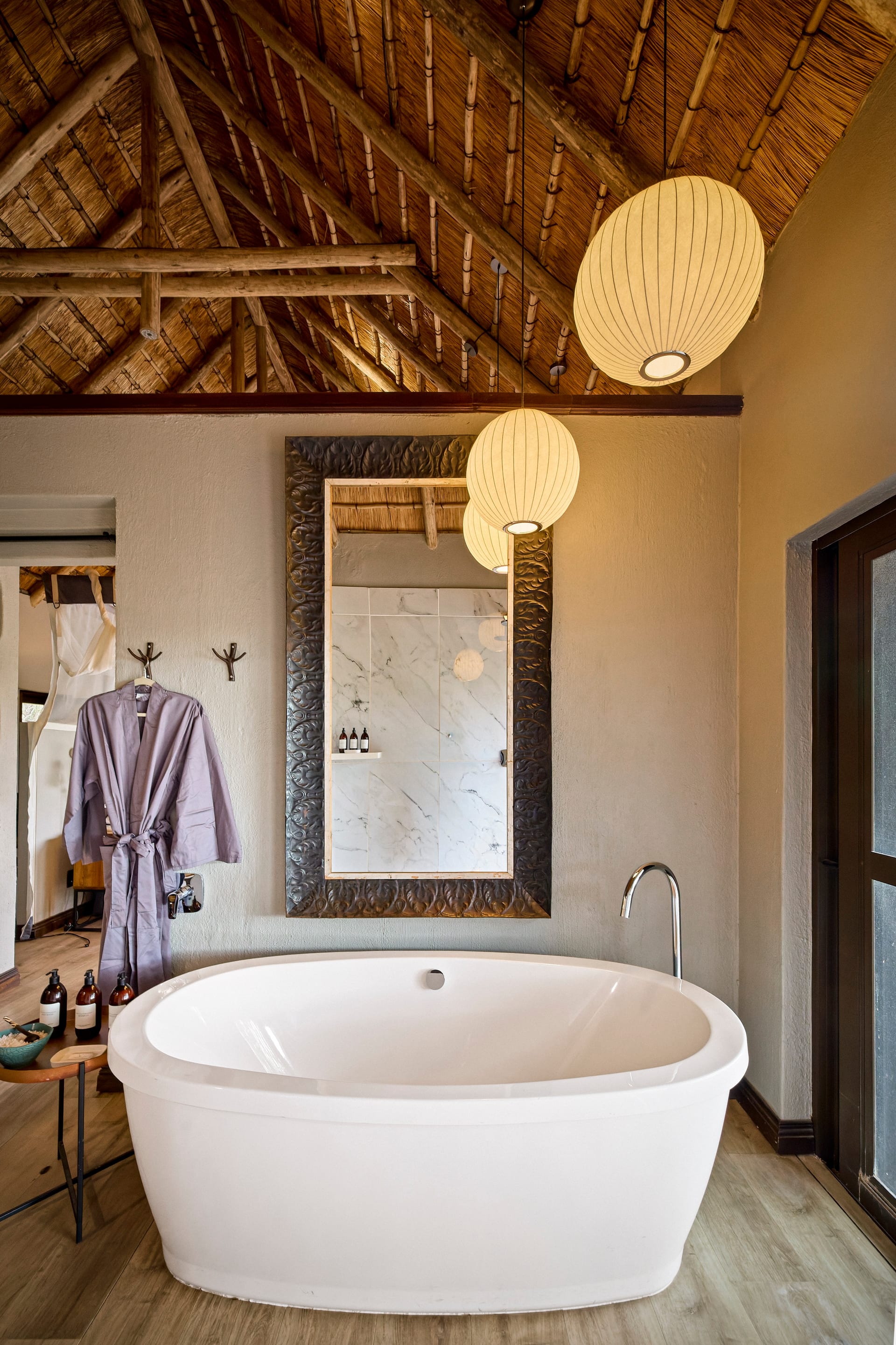
Choosing the Right Detail
Not every detail deserves a photograph. The discipline of interior photography is partly the discipline of selection. The goal is to find the few moments that carry disproportionate meaning, the elements that explain the logic of the whole.
When scouting a space, I look for details that do at least one of the following:
- Reveal craftsmanship, such as a mitred joint, a hand-finished edge, or a considered reveal line.
- Show a material in its most honest state, where texture and light interact.
- Capture a transition between two materials, finishes, or colours.
- Suggest human presence without a person in the frame.
- Echo a motif that repeats elsewhere, tying the detail back to the larger design.
For an architect, the detail might be the precision of a shadow gap. For an interior designer, it might be the way a fabric catches raking light. For a hotelier, it is frequently the small hospitality gesture, the turned-down bed, the single stem in a vase, that communicates the experience a guest will remember. Each profession has its own vocabulary of meaningful detail, and reading that vocabulary is part of the work.
Letting the Material Lead
Detail photography rewards materials that have been chosen with conviction. Timber, stone, plaster, unlacquered brass, linen, and leather all respond to light in ways that flat, featureless surfaces do not. When the design itself carries texture and depth, the close view has something to hold on to.
This is where light becomes the quiet partner of the composition. Soft, directional light tends to serve detail best, grazing across a surface to describe its grain rather than flattening it. A tap photographed under even, frontal light can look inert. The same tap photographed with light skimming from the side gains dimension, weight, and a sense of the hand that placed it.
Composition at Close Range
Working tight changes the rules of composition. With less in the frame, every edge and interval carries more weight. A few principles help the detail hold together.
Give the Subject Room
Even in a close frame, negative space matters. A vignette crowded to its edges feels tense; a little breathing room around the subject lets the eye settle. The detail should feel placed within the frame, not trapped by it.
Mind the Background
At close range, the background is often reduced to a field of tone or a soft wash of context. That field should support the subject, not compete with it. A quiet, slightly out-of-focus backdrop keeps attention where it belongs, while a cluttered one pulls the eye away from the very thing the image was meant to celebrate.
Control the Plane of Focus
Detail images live and die by focus. Decide what must be sharp and commit to it. In architectural and interior photography, a tilt-shift lens or careful aperture choice lets you hold the critical plane crisp while allowing the surrounding context to fall away gently. The viewer should never have to wonder where to look.
A strong detail photograph does not simply show less; it means more.
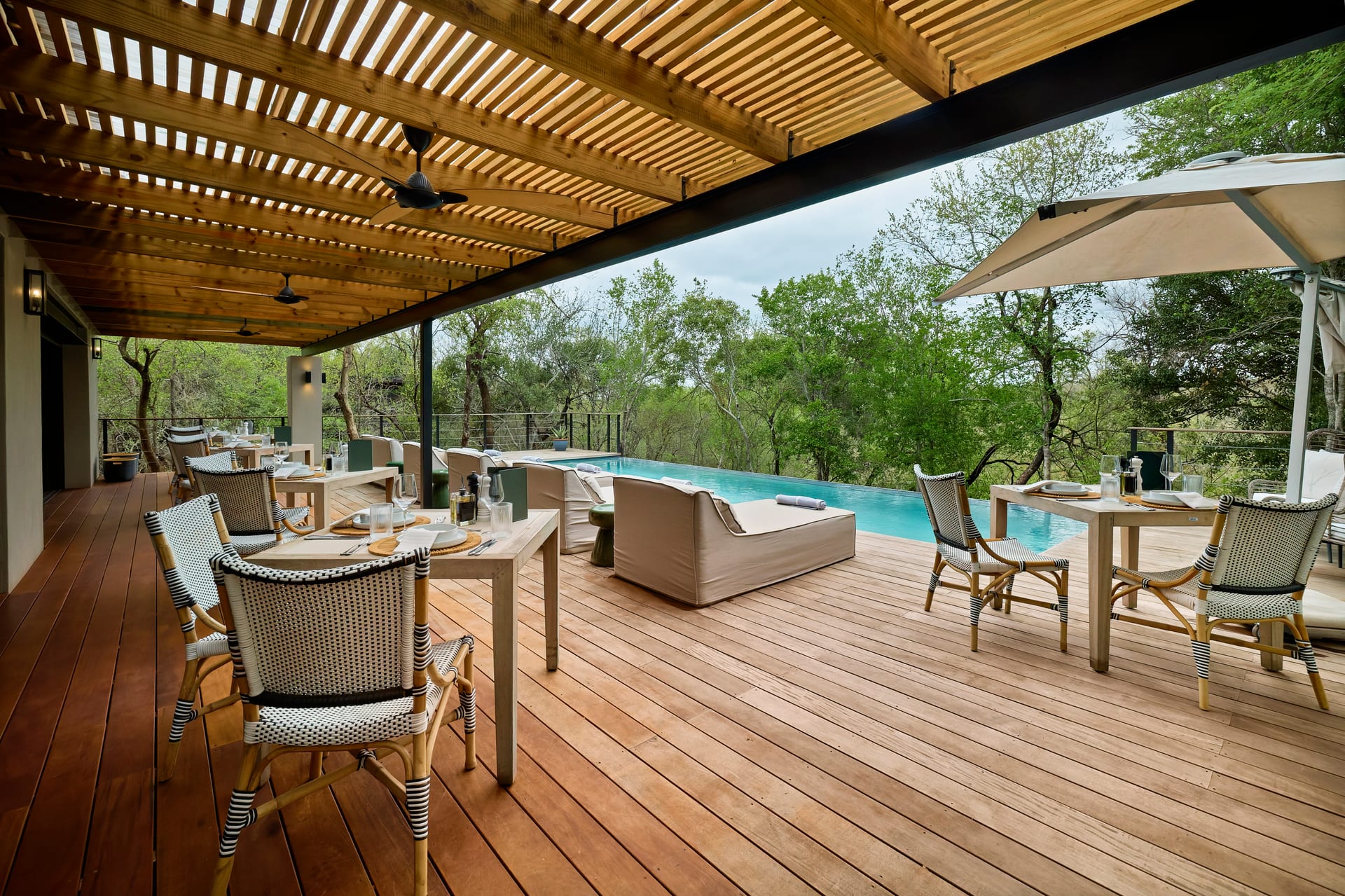
The Vignette in a Larger Sequence
A single detail is powerful, but its full value appears when it sits within a set. In an editorial sequence, vignettes act as punctuation. They slow the pace between wide frames, giving the viewer a moment to rest and absorb. They also build trust, because a photographer who notices the small things signals that the whole space has been seen with care.
A balanced body of work tends to move between scales: the establishing view that locates us, the medium frame that describes a relationship between elements, and the detail that rewards close attention. For design professionals presenting a project to clients, press, or awards juries, this rhythm reads as thoroughness. It suggests a space considered at every scale, from the plan down to the finish of a single edge.
Practical Notes for Working with Your Photographer
If detail matters to how your work is understood, it helps to name the moments you most want captured before a shoot begins. A short list of the finishes, joins, or styling touches you are proudest of gives the photography a clear brief and ensures nothing essential is overlooked. The best detail images are often collaborations, informed by the maker’s knowledge of where the real care went.
- Flag the craftsmanship you want foregrounded.
- Keep hero surfaces clean and free of fingerprints and dust.
- Allow time in the schedule for the light to reach each detail well.
Attention to the small view is not a departure from serious architectural and interior photography. It is one of its highest expressions, the point where a photograph stops merely recording a space and begins to honour the thinking behind it.
If you would like your next project photographed with this kind of attention, Matthew Lekker Photography would be glad to hear from you.
Add us as a preferred source on Google
Add as preferred source