The Quiet Authority of the Corner
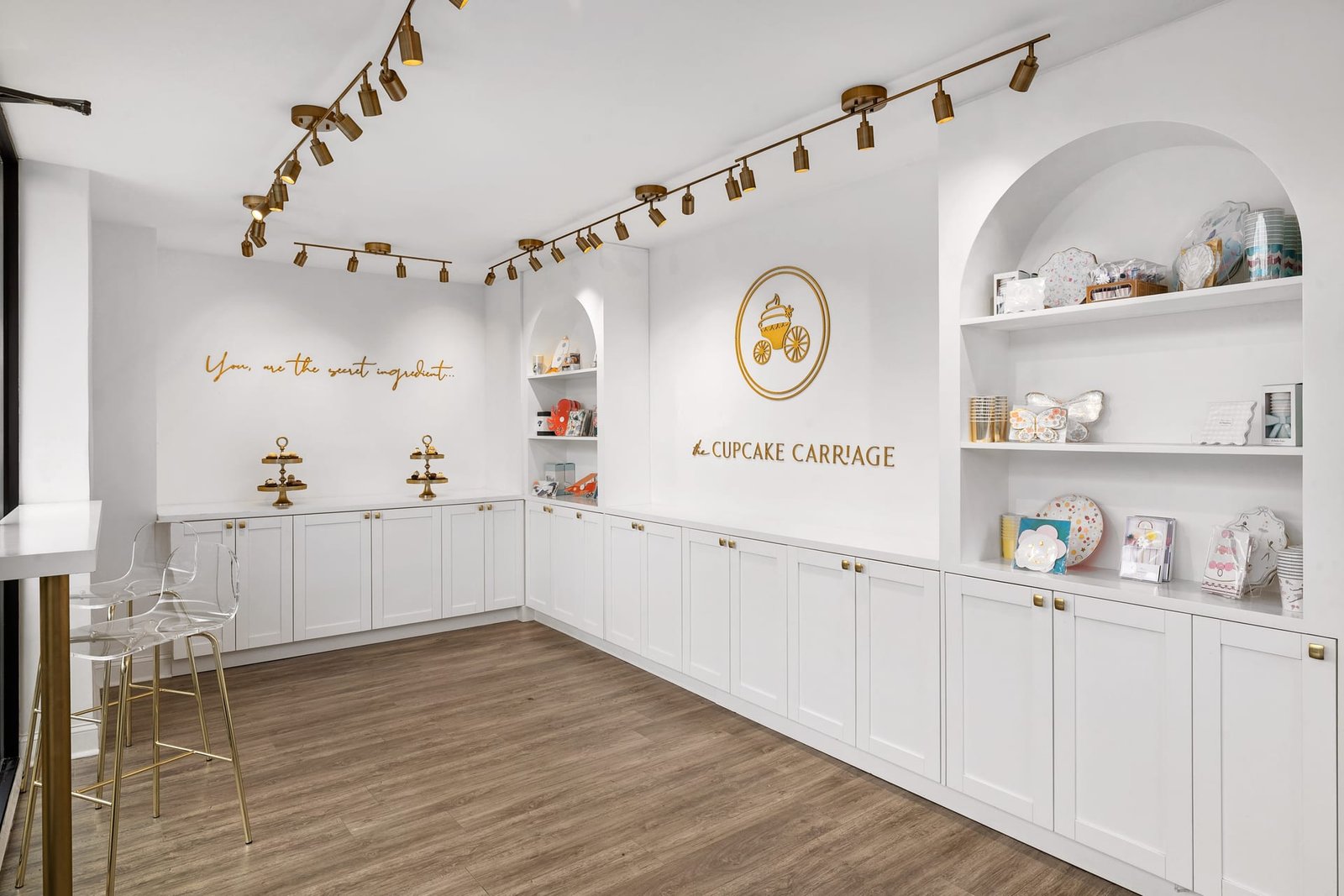
Every room is built from corners. They are the places where walls agree to meet, where the geometry of a space becomes legible, where volume is defined and contained. Yet in architectural photography the corner is often treated as a problem to manage rather than a subject to celebrate. We frame to avoid the awkward junction, to flatten the convergence, to keep lines from racing toward an uncomfortable meeting point. In doing so, we overlook one of the most honest elements a space can offer.
A corner tells the truth about a room. It reveals how two planes relate, how light turns and softens as it crosses an edge, how a space holds itself together at its seams. For architects and interior designers, the corner is where craftsmanship is tested. A clean miter, a resolved reveal, a shadow gap that keeps a wall from touching the floor too bluntly: these details live in the corner, and photographing them well is a way of honoring the thinking that went into them.
A corner tells the truth about a room, revealing how two planes agree to meet at its seams.
Why Corners Resist the Camera
The difficulty is partly perceptual. Our eyes read corners in three dimensions, understanding depth without conscious effort. A camera flattens that depth onto a single plane, and the convergence of lines that felt natural in person can suddenly feel aggressive or confusing in an image. Two walls meeting at ninety degrees become a sharp vertical seam splitting the frame, and the comfortable sense of enclosure we felt on site evaporates.
There is also the matter of light. A corner is where two surfaces receive illumination at different angles. One wall may catch the window while the other falls into shadow, producing a gradient that the eye accepts but the sensor exaggerates. Handled carelessly, this becomes a harsh contrast that pulls attention away from the room. Handled with intention, it becomes the very thing that gives an interior photograph its sense of volume and air.
The Two Kinds of Corner
It helps to distinguish between the two corners every photographer works with. There is the architectural corner, the physical junction of walls, floor, and ceiling that defines the shape of a space. And there is the frame corner, the edge of the image itself, where composition is decided. The relationship between these two is where good interior photography is made.
Place an architectural corner in the dead center of the frame and the room splits into competing halves. Push it toward a frame corner and the space opens into a diagonal that leads the eye through the volume. The corner, in other words, is not only something to photograph but something to position. Where you let it fall changes everything.
Reading the Corner for Light
Begin by watching how light behaves as it crosses the junction. In most interiors, one wall will be brighter than its neighbor, and that difference is a gift. It describes the turn of the plane without any need for a hard line. A gentle tonal shift from one surface to the next does more to communicate depth than any amount of dramatic contrast.
- Observe the brightest wall and the shadowed wall before you set the camera. The relationship between them sets the mood.
- Look for the moment when daylight grazes one surface at a low angle, revealing texture and relief at the edge.
- Notice reflected light bouncing from a bright wall into a darker one. This soft fill keeps shadows from going flat or dead.
When the gradient across a corner feels too severe, the answer is rarely to light it heavily. More often it is a matter of timing, waiting for the sun to move, or of gentle fill that lifts the shadow side just enough to keep detail without erasing the turn of the plane.
The Corner as a Storytelling Device
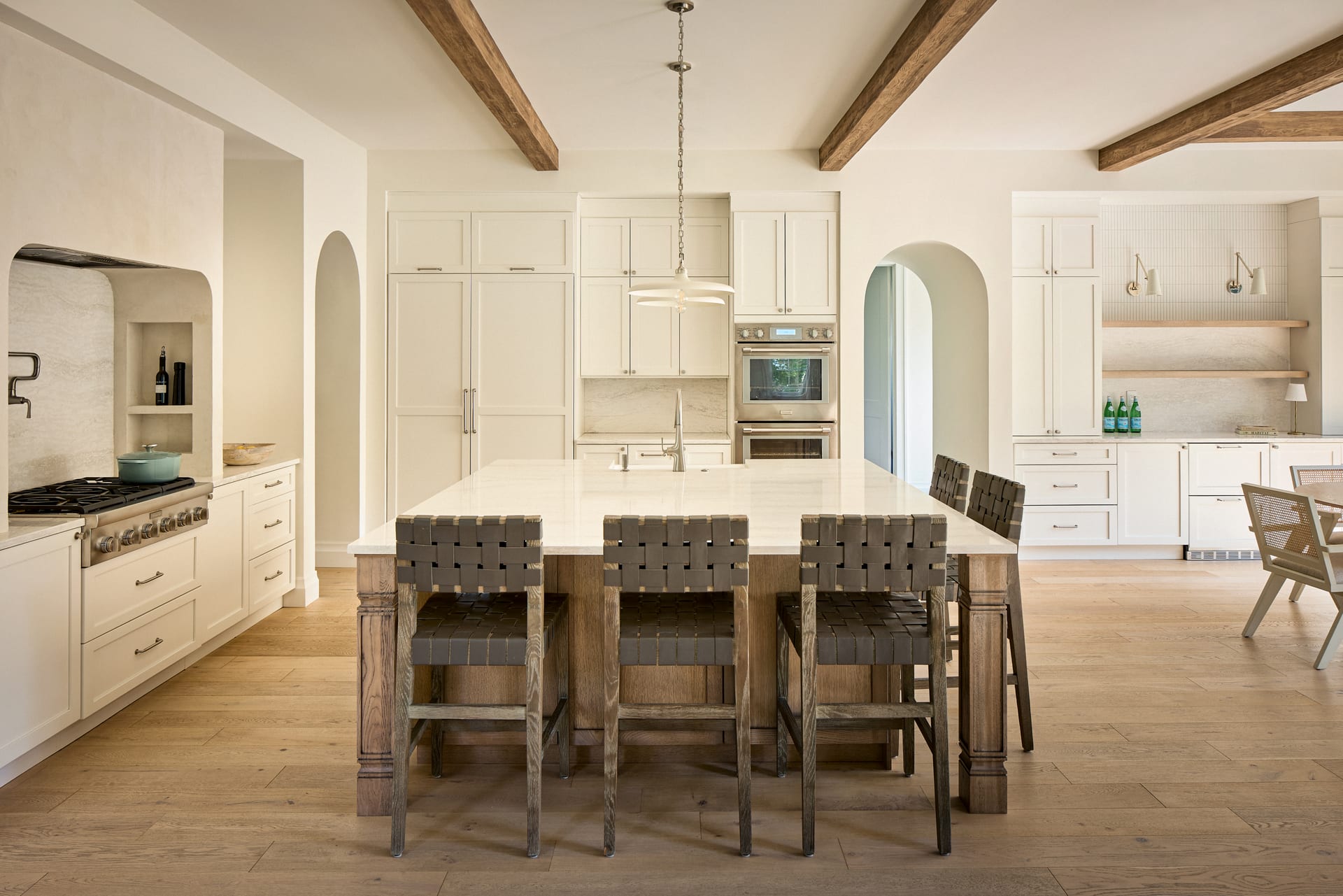
Corners do quiet narrative work. A reading chair tucked into one suggests retreat. A kitchen island meeting a run of cabinetry describes how a space is used. In hospitality interiors, the corner of a suite where a window wraps two walls becomes the emotional heart of the room, the place a guest will remember. For hoteliers and designers, photographing that corner well is photographing the experience itself.
Builders and realtors benefit from a different reading. A well-resolved corner, where trim meets cleanly and surfaces align, signals quality to anyone who knows what to look for. A photograph that holds the corner steady and true, with verticals genuinely vertical, becomes evidence of care. The eye trusts a room whose corners are honest.
Where you let the corner fall within the frame changes the whole temperament of the room.
Composing With the Convergence
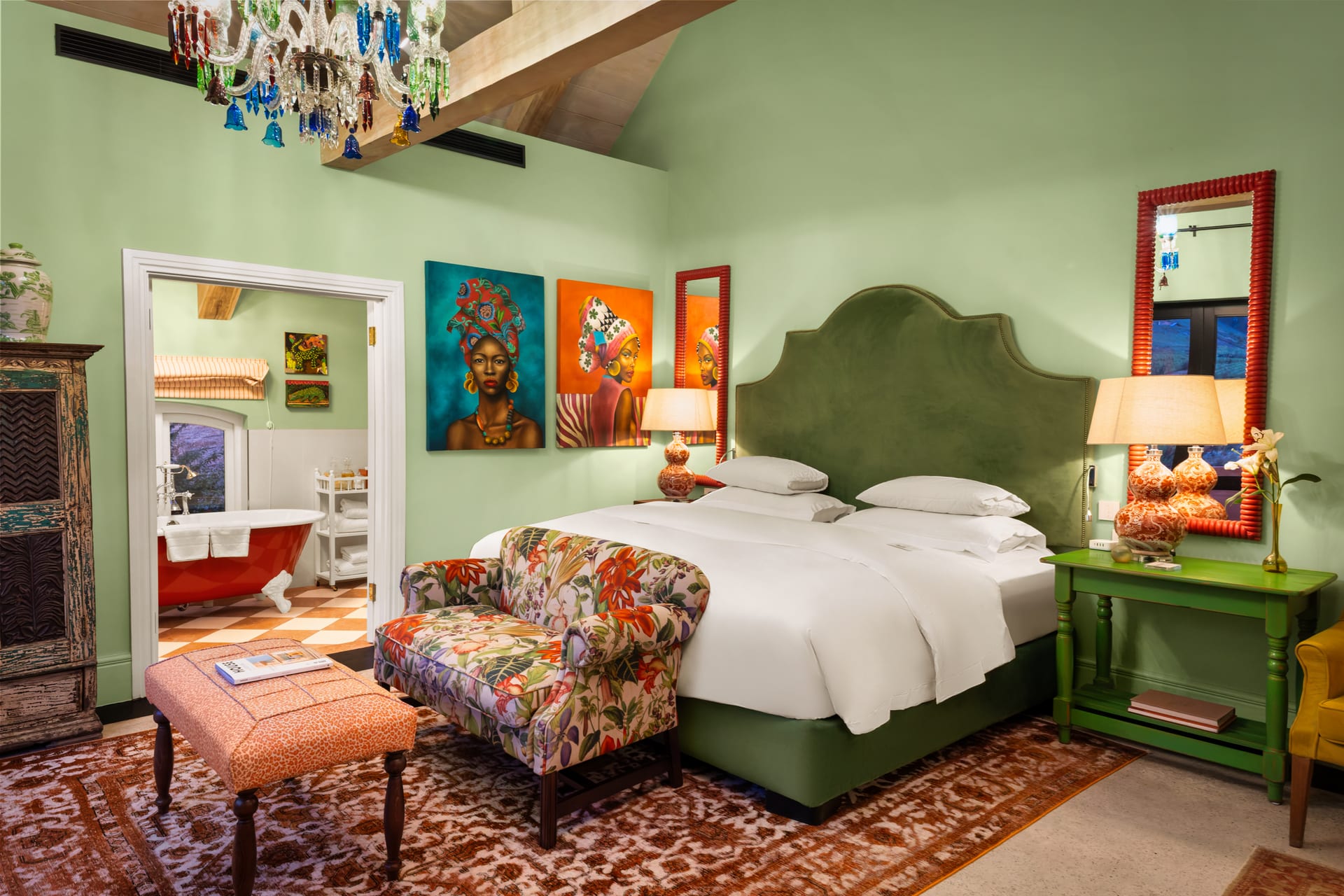
The classic interior view places the camera to see two walls at once, letting the corner sit slightly off center. This two-wall composition is a staple of architectural photography because it establishes volume immediately. The viewer understands the shape of the room, its proportions, the way the ceiling caps it. The corner is the hinge on which that understanding turns.
Consider these approaches when the convergence feels difficult:
- Lower the camera slightly to calm the convergence of vertical lines and let the corner rise with quiet strength.
- Use the corner as a dividing line between a decorated plane and a plain one, giving the eye a place to rest beside a place to read.
- Allow furniture or an object in the foreground to overlap the corner, softening the seam and layering depth from front to back.
There is also the inverse approach: the single-wall composition that deliberately excludes the corner, offering a calm, frontal view. Knowing when to include the junction and when to withhold it is part of the editorial judgment that separates competent documentation from considered interior photography.
When a Corner Should Lead
Occasionally a corner deserves to be the subject rather than the structure. A sculptural stair landing, a banquette wrapping a bay window, a fireplace set into an angled wall: these are moments where the junction holds the design intent. In such cases, let the corner anchor the frame and build the composition outward from it, so the geometry of the meeting becomes the reason the image exists.
The Discipline of the Junction
Attending to corners is finally a discipline of attention. It asks the photographer to slow down at the edges of a room, where it would be easy to hurry. It rewards the professional who understands that the character of a space is often decided not in its open center but at its quiet margins, where materials meet and light makes its turn.
For the design professional, this attention is a form of advocacy. Your corners carry your standards. Photographed with care, they repay the hours spent resolving them, and they let a viewer feel, without being told, that a space was made with intention.
If you have an interior or building whose corners deserve that attention, I would be glad to talk with you about photographing it.
Add us as a preferred source on Google
Add as preferred source