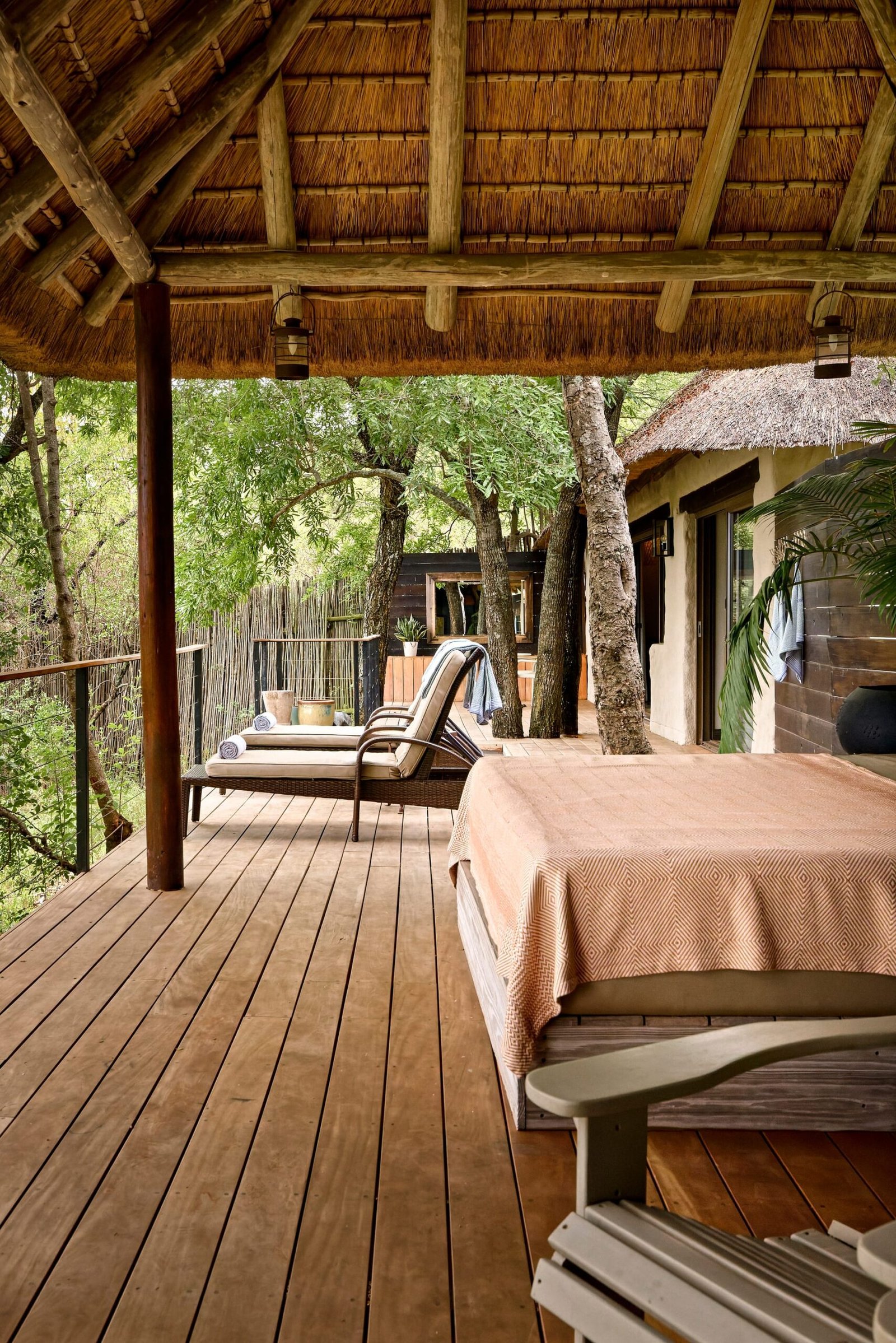
The Shadow: Reading Light by What It Leaves Behind
In architectural photography, we tend to talk endlessly about light. We chase it, schedule around it, and wait for it to arrive at the right angle. Yet light alone cannot describe a space. It is the shadow that gives light its meaning, the dark counterpart that turns a flat surface into form and a room into a place with weight and depth. For design professionals who care how their work is seen, understanding shadow is as important as understanding illumination.
A building with no shadow reads as a drawing. A room without it looks weightless, dimensionless, almost theoretical. Shadow is how the eye measures distance, feels the thickness of a wall, and senses the time of day. To photograph it well is to photograph the hidden half of every image.
What Shadow Actually Does
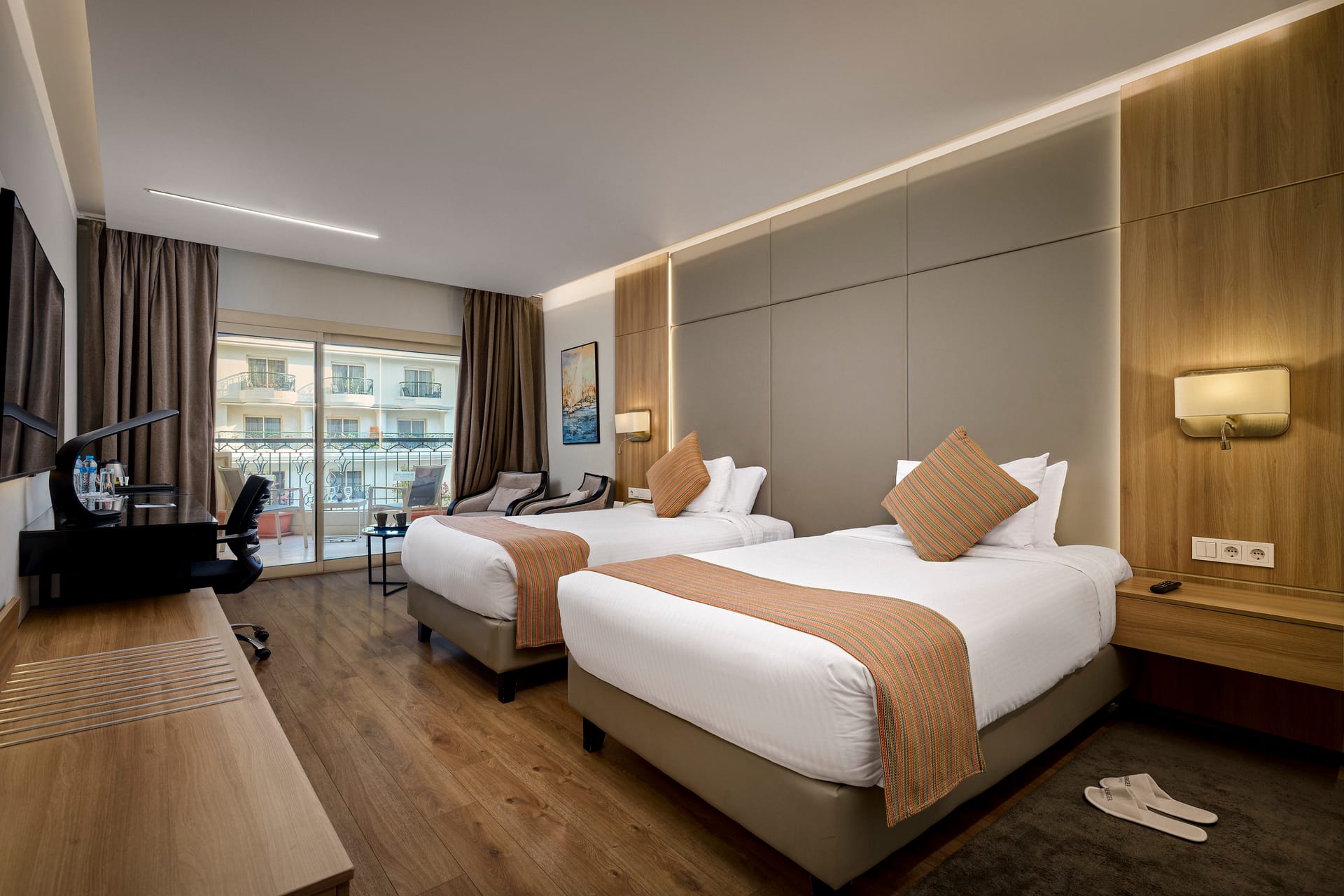
Shadow is often misunderstood as a problem to be eliminated. In commercial interior photography, there is a temptation to flood a room with even, directionless light until nothing is hidden. The result is clean but lifeless, a space stripped of the very contrasts that make it legible.
Consider what shadow contributes to a photograph:
- Depth. Overlapping tones tell the eye which elements sit forward and which recede.
- Form. The gradient from light to dark across a column or a sofa arm reveals its curve and volume.
- Texture. Raking light that casts tiny shadows across plaster, linen, or stone exposes the grain of a material.
- Atmosphere. A pool of darkness in a corner suggests calm, privacy, and the honest rhythm of a lived-in room.
Shadow is not the absence of light but the architecture light leaves behind.
When we remove shadow entirely, we remove the story. The goal is never to banish darkness, but to shape it with the same intention a designer brings to a floor plan.
Hard Shadow and Soft Shadow
Not all shadows behave the same way, and knowing the difference lets you use each deliberately.
Hard Shadow
Hard shadows have crisp, defined edges. They come from a small, direct light source: a low winter sun, a single clerestory window, a bare fixture. In architectural photography, hard shadow can be dramatic and graphic, carving strong geometry across a facade or tracing the lines of a banister onto a wall. Used well, it adds rhythm and tension. Used carelessly, it fractures a composition into distracting shapes.
Soft Shadow
Soft shadows have gradual, feathered edges, produced by large or diffused light: an overcast sky, a sheer curtain, light bounced off a pale ceiling. Soft shadow is the quieter language of interior photography. It wraps gently around furniture, preserves detail in the darker tones, and lends a room a sense of calm. Most interiors are best served by soft shadow with only occasional accents of the hard kind.
The craft lies in recognizing which the space is giving you, and whether it suits the mood the design intends.
Shadow as Composition
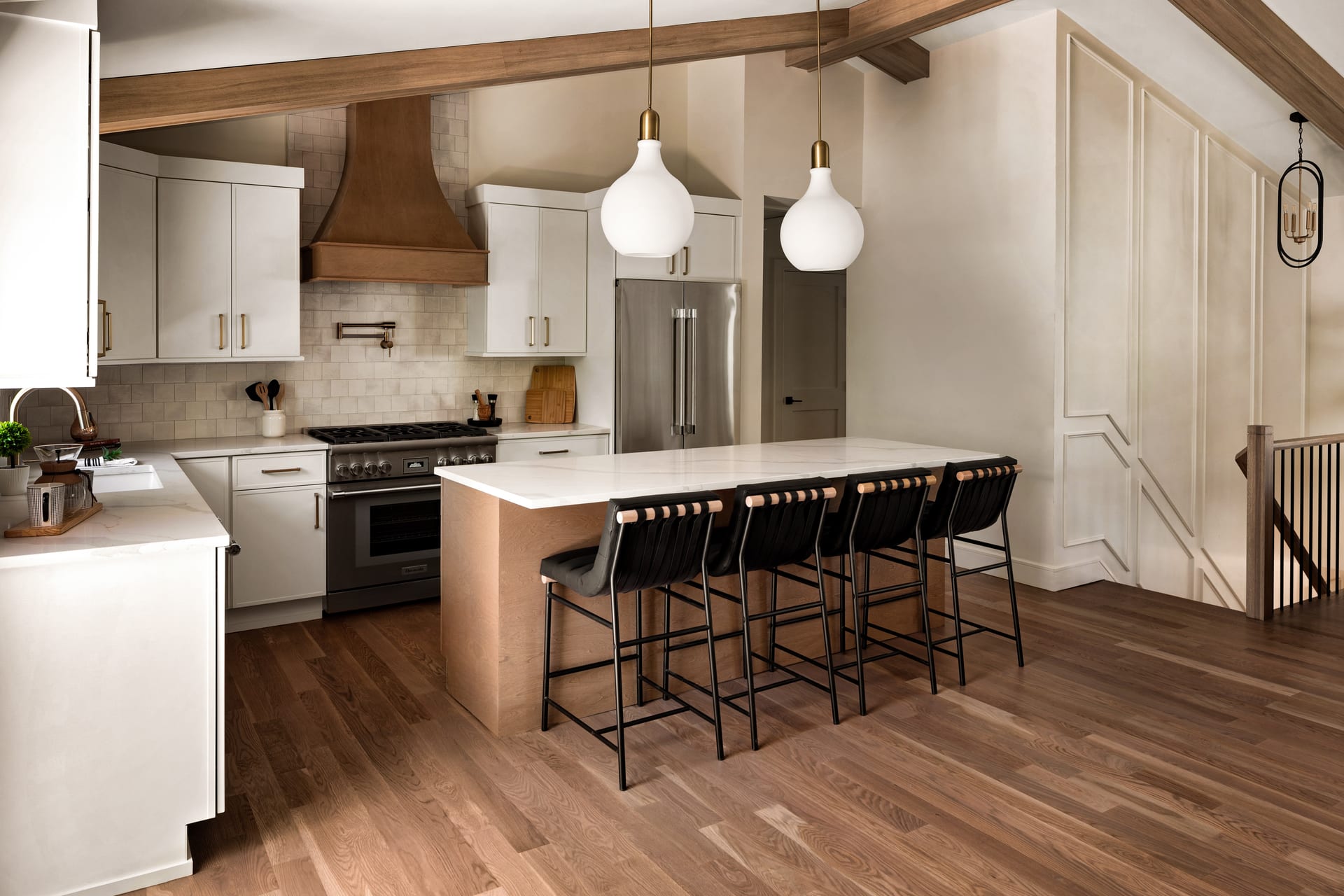
Shadows are compositional elements in their own right. They can lead the eye, balance a frame, and fill empty areas that would otherwise feel hollow. A long shadow stretching across a floor becomes a line as deliberate as any drawn by the architect. A soft fall of darkness beneath a cantilevered stair gives the structure something to rest against.
When composing, I often ask a simple question before the light: what is the shadow doing here? If it anchors the subject, I keep it. If it clutters or competes, I adjust the vantage point or wait for the sun to move. A shadow in the wrong place is as disruptive as a misplaced piece of furniture.
This matters especially in hospitality work, where atmosphere sells the experience. A boutique hotel lobby photographed in flat light looks like a floor plan. The same lobby, with afternoon shadow pooling beneath a lounge chair and grazing the texture of a stone wall, invites the viewer inside. One image documents; the other seduces.
Working With the Shadow You Are Given
Spaces rarely arrive with ideal shadow already in place. Part of the work is anticipating how darkness will move through a room across the day.
- Track the sun. Before a shoot, note where direct light enters and how its shadows travel. The same room offers entirely different shadow stories at nine in the morning and four in the afternoon.
- Respect the ambient fill. In interiors, bounced daylight softens shadow naturally. A pale wall opposite a window acts as a reflector, lifting the darker tones without erasing them.
- Add light to shape shadow, not to kill it. When supplementary light is needed, the aim is to preserve the room’s natural gradient, lifting the deepest areas just enough to retain detail while keeping the sense of direction intact.
A shadow in the wrong place is as disruptive as a misplaced piece of furniture.
For builders and realtors, there is a practical lesson here. Interiors shot in harsh midday sun often suffer from blown highlights beside impenetrable dark corners, a contrast the eye tolerates in person but the camera cannot. Shooting when the shadow is gentler produces images that feel both honest and inviting, which is precisely what prospective buyers and guests respond to.
The Shadow and the Hour
Shadow is the clearest marker of time in a photograph. Long shadows read as early or late in the day, carrying warmth and intimacy. Short, overhead shadows read as noon, flat and neutral. Twilight dissolves shadow into a uniform blue calm, which is why it suits exteriors and glowing interiors so well.
Choosing when to photograph is therefore choosing which shadow, and which emotional register, the image will hold. A restaurant wants the lingering warmth of late afternoon. A clean, minimalist gallery may prefer the even light of a bright overcast sky, where shadow softens to the faintest suggestion. The design should dictate the hour, and the hour dictates the shadow.
Letting Darkness Do Its Work
The most common failing in amateur interior photography is a fear of the dark. Every corner is lit, every shadow lifted, until the image loses all tonal range and reads as uniformly gray. Confident architectural photography allows darkness to remain where it belongs. It trusts the viewer to understand that a shaded alcove is not a flaw but a feature, that a deep shadow under a bench gives the bench its place in the room.
To photograph shadow well is to practice restraint. It is knowing which darkness to preserve, which to soften, and which to let fall completely into black. In this restraint lies the difference between a record of a space and a portrait of it.
If you would like your spaces photographed with this kind of attention to light and its quieter counterpart, I would be glad to hear from you at Matthew Lekker Photography.
Add us as a preferred source on Google
Add as preferred source