The Weight of an Unoccupied Seat
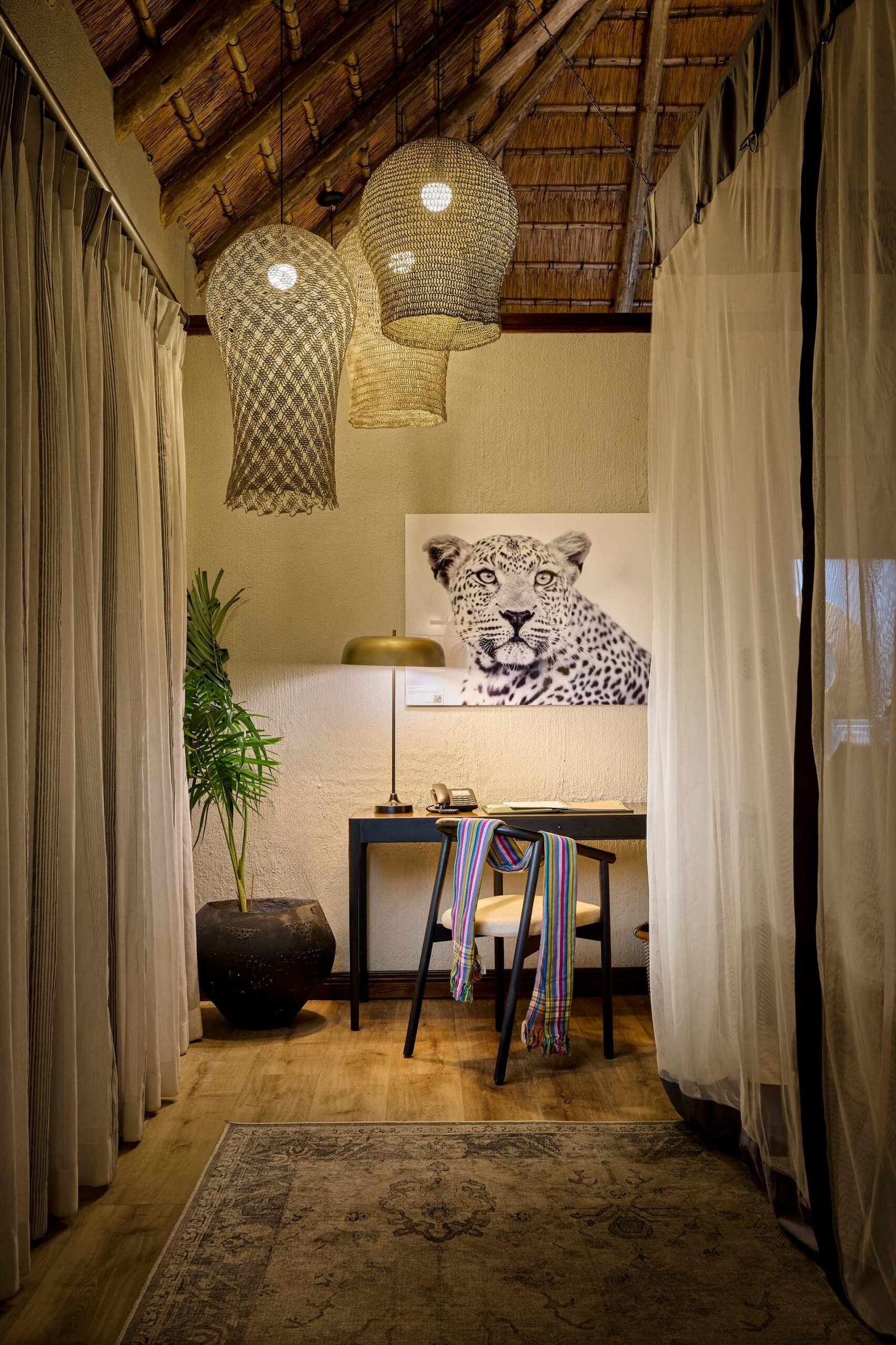
There is a particular kind of quiet that settles over a well-made room when no one is in it. A chair pulled slightly from a table. A reading lamp left on beside an armchair. A sofa that holds the memory of someone who was there a moment ago. In architectural photography, we often speak about light, line, and proportion, yet some of the most affecting images rely on something less technical and harder to name. They rely on stillness, and stillness frequently announces itself through a single empty chair.
For design professionals, the empty chair is not a passive object. It is a composed decision. A chair invites the viewer to imagine themselves seated, to project their own presence into the frame. It establishes scale, suggests how a space is used, and hints at the life a room is designed to hold, all without a single person appearing. This is why the most considered interior photography so often leaves the room unoccupied yet never feels abandoned.
Stillness Is Not Emptiness
It helps to draw a clear distinction. An empty room can read as sterile, unfinished, or forgotten. A still room reads as composed, intentional, and quietly alive. The difference lies in the traces of human intention a photographer chooses to keep.
A dining chair angled as though someone has just risen tells a different story than six chairs pushed in with military precision. The first suggests a meal, a conversation, a return. The second suggests a showroom. Neither is wrong, but each speaks to a different purpose, and knowing which story you are telling is the first task of any thoughtful shoot.
A still room reads as composed and quietly alive, while an empty room reads as forgotten.
For hoteliers in particular, this distinction carries weight. A guest browsing images of a boutique property is not only assessing the furniture. They are asking an unspoken question: can I picture myself here. A chair placed with warmth and intention answers that question before a single word of copy is read.
What a Chair Tells the Viewer
Consider everything a single seat communicates when photographed with care:
- Scale. A chair is a known quantity. The eye measures a room against it almost instinctively, grounding the proportions of everything around it.
- Use. The placement implies activity, whether a quiet corner for reading or a gathering spot for conversation.
- Comfort. Materials and silhouette suggest how a space feels to inhabit, not merely how it looks.
- Narrative. A slight asymmetry, a cushion left at an angle, a throw draped rather than folded, all hint at a life lived in the space.
These signals operate quietly. The viewer rarely notices them consciously, which is precisely why they work. The best interior photography guides emotion without ever drawing attention to the mechanism behind it.
Composing Around Stillness
Photographing stillness well requires restraint, both from the photographer and from the designer standing nearby. The temptation is always to add. One more accessory, one more styled vignette, one more object to fill a quiet surface. Yet stillness depends on what is withheld as much as what is shown.
When I approach a room with an empty chair at its heart, I think first about negative space. The area around the chair must be allowed to breathe. A seat crowded by competing objects loses its quiet authority. Given room, it becomes an anchor, a point of focus that the rest of the composition can orbit.
Stillness depends on what is withheld as much as on what is shown.
Light matters here too, though in a gentler register than in a dramatic exterior shot. Soft, directional daylight falling across an unoccupied chair lends it a sense of pause, as though time itself has slowed within the frame. Harsh light tends to shatter that mood, while flat light robs the object of dimension. The aim is a tone that feels contemplative rather than staged.
The Role of Placement
Where the chair sits within the frame changes everything. A chair placed centrally commands the image and reads as a formal statement, well suited to a hero shot of a hotel suite or a signature lounge. A chair set toward the edge, partially cropped, creates a more candid, observational feeling, as though the viewer has simply walked in and noticed it. Each approach serves a purpose, and the choice should follow the character of the space and the audience you hope to reach.
For realtors, a chair placed near a window can draw the eye outward, connecting interior and view in a single glance. For architects, a chair set against a strong structural line can emphasise the geometry of a space while keeping it human. The object becomes a quiet collaborator with the architecture rather than a distraction from it.
When to Keep the Room Occupied, and When to Clear It
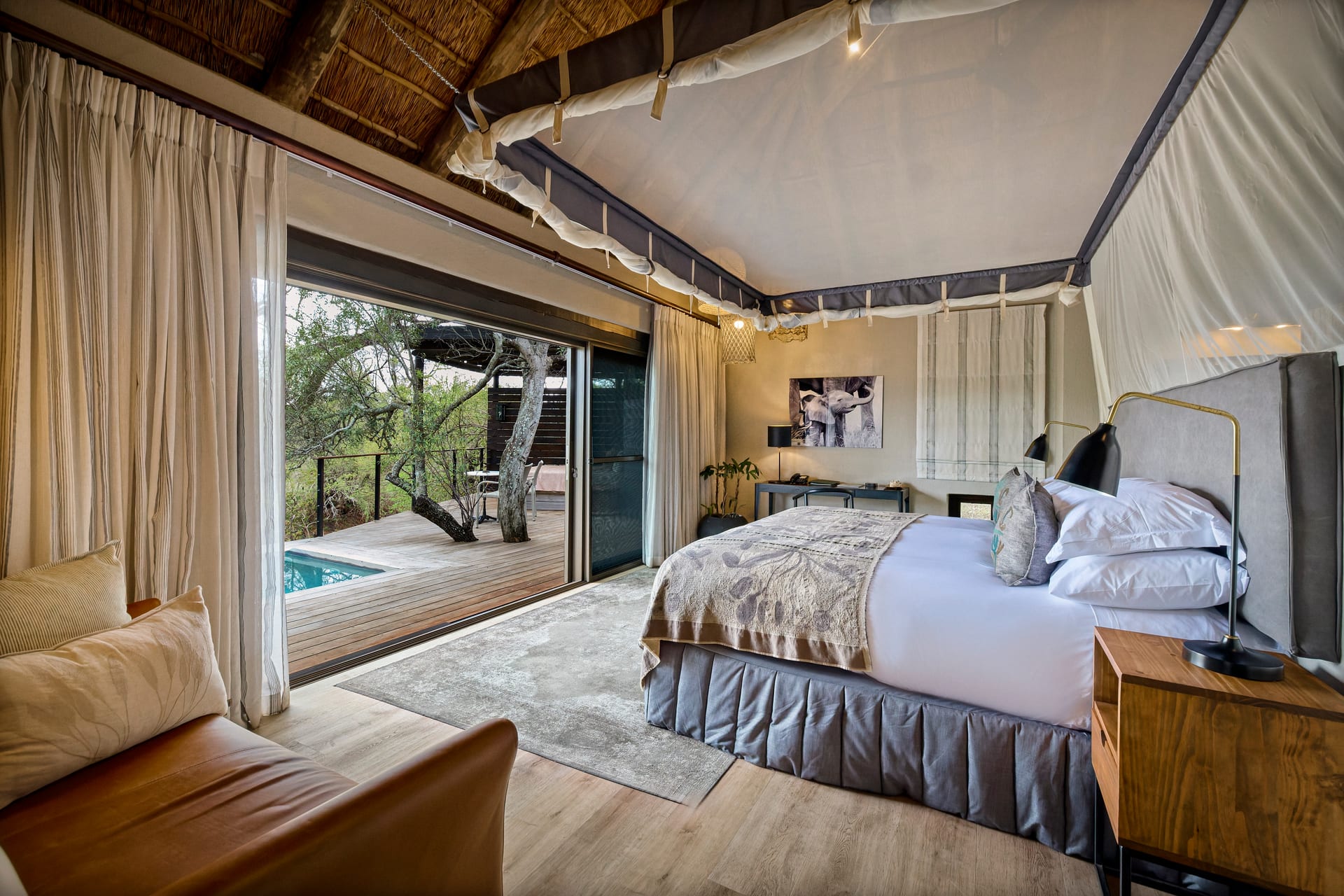
There is a time for people in a frame. A bustling restaurant, a lobby alive with movement, a workspace mid-use. These images sell energy and atmosphere. But many spaces are better served by their absence. A bedroom, a reading nook, a private terrace, a spa, all tend to gain from quiet. The viewer wants to imagine solitude, and a figure in the frame forecloses that imagining.
The empty chair bridges these two modes. It carries the suggestion of a person without the presence of one. It is populated and unpopulated at once, which is why it remains such a reliable device across interior and architectural photography alike.
Practical Notes for the Shoot
A few considerations help stillness translate from the room to the final image:
- Resist over-styling the chair itself. One deliberate touch reads as intention, three read as decoration.
- Watch the alignment of the chair against the lines behind it, so the stillness feels composed rather than accidental.
- Allow a slight imperfection where the mood calls for warmth, and perfect symmetry where it calls for formality.
- Let the surrounding surfaces stay quiet, giving the eye somewhere to rest.
These are small decisions, but they accumulate. A room photographed with attention to stillness feels considered in a way that the viewer senses even if they cannot articulate why. That quiet authority is often what separates a competent image from a memorable one.
The Quiet Confidence of Less
In the end, the empty chair is a lesson in trust. It trusts the viewer to complete the story, to feel the presence that the frame only implies. For design professionals, this restraint is a mark of confidence in the work itself. A beautifully resolved space does not need a crowd to prove its worth. It needs only a single seat, placed with care, and the stillness to let it speak.
If you would like to bring this quiet, considered quality to the images of your next project, I would welcome a conversation at Matthew Lekker Photography.
Add us as a preferred source on Google
Add as preferred source