The Problem With a Space Without Measure
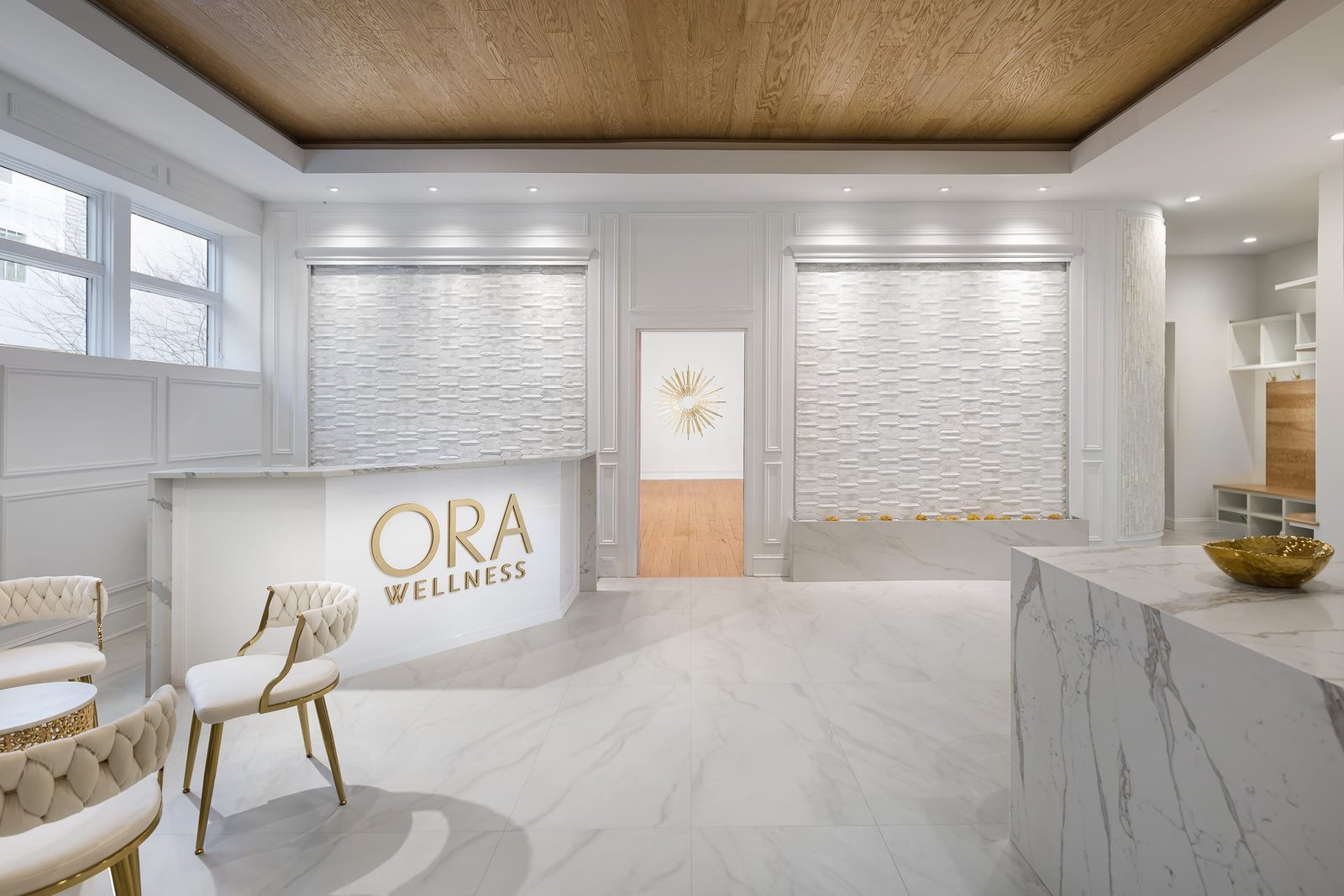
A photograph is a two-dimensional translation of a three-dimensional world. In that translation, something quietly disappears: scale. A room that feels generous in person can read as cramped on screen, and a modest nook can appear grander than it is. For design professionals whose work lives and dies by proportion, this is not a minor concern. It is the difference between an image that represents a space honestly and one that misleads the very people it is meant to persuade.
Scale is not a property a camera captures automatically. It is something constructed, frame by frame, through the deliberate inclusion of cues the viewer already understands. Good architectural photography does not simply record a room. It gives the eye the references it needs to measure what it sees.
A photograph does not inherit a room’s dimensions; it has to earn them through the cues we choose to leave in the frame.
Why the Eye Needs a Reference
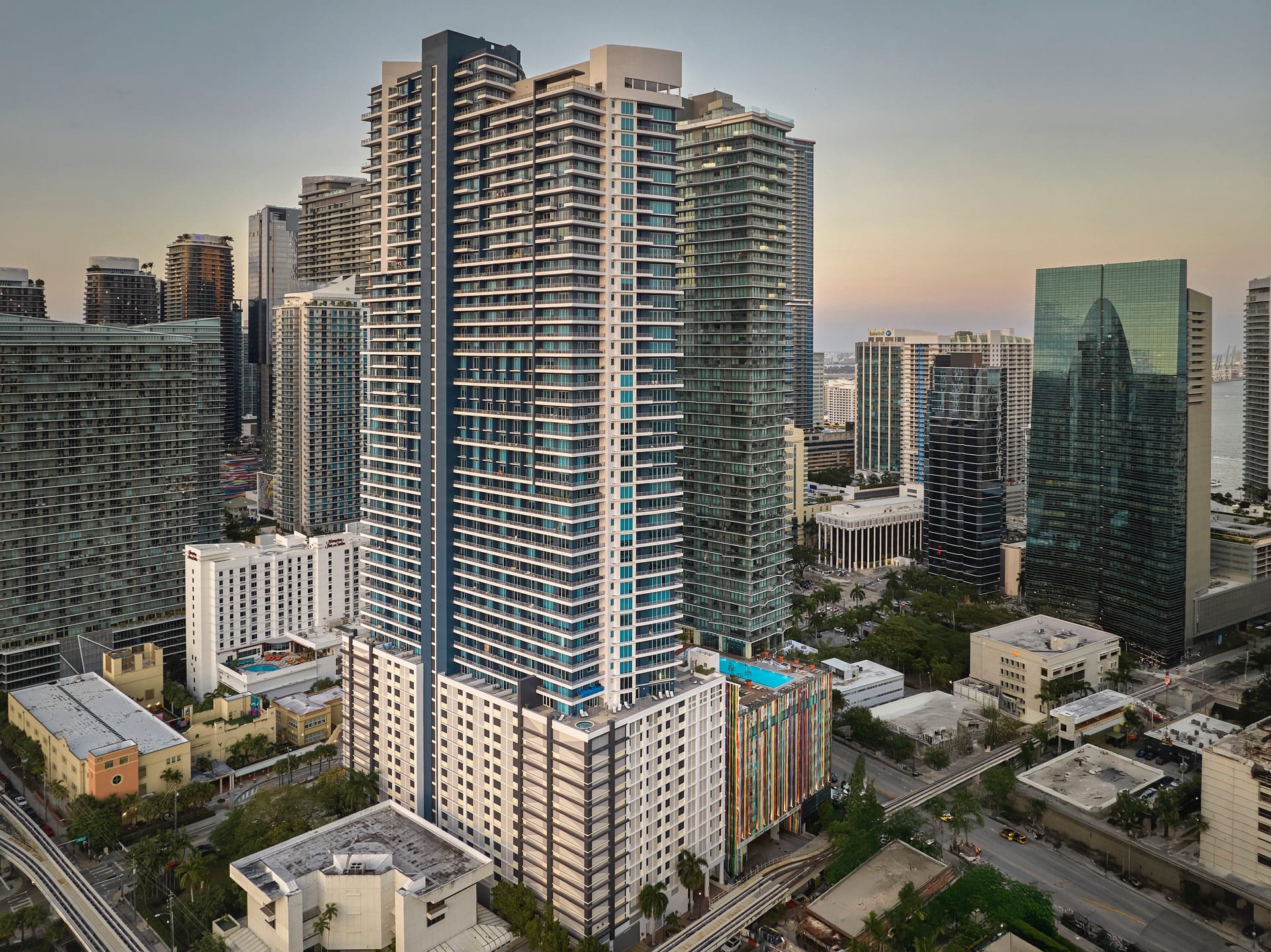
The human mind reads size comparatively. We know roughly how tall a door is, how wide a stair tread runs, how a dining chair meets a table. When these familiar objects appear in an image, the brain uses them as rulers, scaling the rest of the room against their known dimensions. Remove every recognizable object, and the viewer is left guessing.
This is why a pristine, empty interior, stripped of furniture and detail, often photographs as ambiguous. Without a measure, the eye cannot decide whether the ceiling is nine feet or sixteen. In interior photography, that ambiguity undercuts the work. The architect’s carefully considered volume becomes a flat plane of wall and floor with no sense of how a person would inhabit it.
Objects That Carry Known Size
Certain elements are universally legible and act as reliable anchors of scale. Keeping them present, and composing with them in mind, gives an image its sense of truth.
- Doors and doorways, which the eye reads as roughly human height
- Stair treads and handrails, built to consistent, familiar dimensions
- Seating, whether a dining chair, lounge chair, or bar stool
- Kitchen counters and cabinetry, standardized in height
- Books, glassware, and tabletop objects that register at a glance
None of these need to dominate the composition. They simply need to be visible enough to do their quiet work.
The Role of the Human Figure
No scale cue is more immediate than a person. A figure in the frame resolves every question of size instantly, because we measure all architecture against our own bodies. A single individual seated in a lobby tells us more about the ceiling height than any amount of empty perspective.
For hospitality work in particular, a human presence does double duty. It establishes scale while also suggesting use, warmth, and occupancy. A lounge becomes a place people gather rather than a diagram of furniture. For hoteliers and the designers behind their spaces, that combination of measure and life is often exactly what an image needs to carry.
We measure all architecture against our own bodies, which is why a single figure can answer every question of scale at once.
When a figure is not appropriate, the trace of one will do. A coat over a chair, an open book, a cup set down mid-use. These imply a human presence of known size without requiring a person in the frame, and they lend the same quiet measure to a room.
How Lens and Vantage Distort Scale
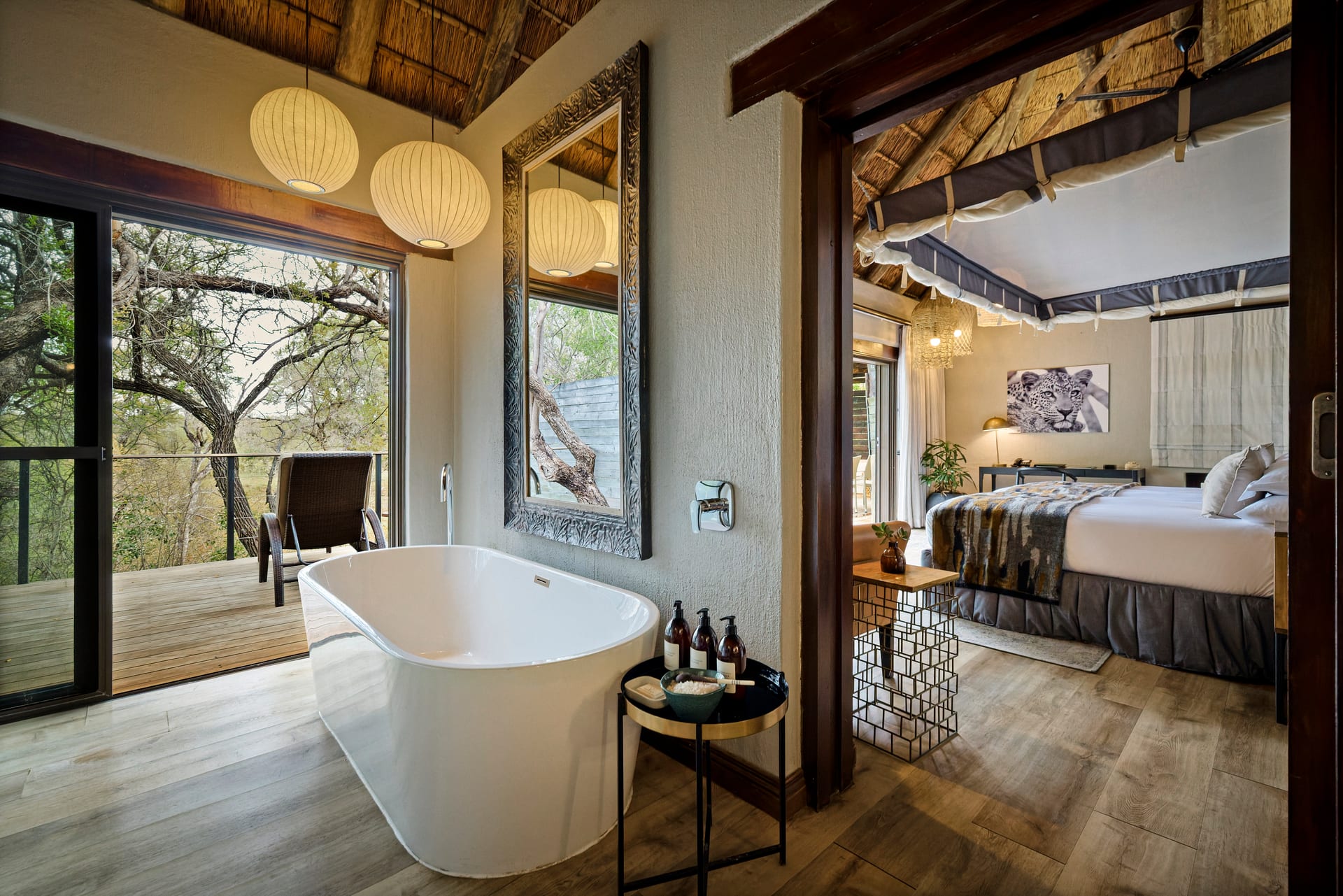
Scale is not only a matter of what sits in the room. It is also shaped by how the room is photographed. A very wide lens exaggerates the distance between foreground and background, stretching a space so it appears larger and deeper than it is. This can be tempting, particularly in real estate work where larger reads as better, but it comes at a cost. Rooms photographed too wide feel distorted, and the discerning viewer senses the exaggeration even if they cannot name it.
A more moderate focal length preserves the honest relationship between near and far. The space may look less expansive, but it looks true, and truth holds up when the viewer finally stands in the room. For architects and builders whose reputation rests on the integrity of the finished work, this fidelity matters more than momentary impact.
Camera Height and Honest Proportion
Where the camera sits also governs how scale reads. Place the lens too high and ceilings compress, shrinking the sense of volume. Place it too low and walls loom, stretching height unnaturally. A camera positioned near standing eye level, or slightly below, tends to render a room the way a person actually experiences it. This is a central discipline of considered architectural photography: letting the viewer feel they are standing in the space, not floating above it or crouching beneath it.
Scale as a Storytelling Tool
Once scale is handled honestly, it becomes something more than correctness. It becomes expression. The relationship between a small object and a large volume can be used deliberately to communicate generosity, intimacy, drama, or calm.
A single chair placed in an expansive gallery emphasizes the grandeur of the space around it. A tightly framed reading corner, measured by a lamp and a stack of books, communicates coziness and retreat. The same architectural truth can be composed to tell quite different stories, depending on how the scale cues are arranged within the frame.
- To emphasize volume, pair a modest, familiar object against a large, uninterrupted expanse
- To emphasize intimacy, fill the frame with known-size elements at close range
- To emphasize craft, let a single detail sit against a clean, quiet backdrop that lets its scale register
This is where technical accuracy and editorial intent meet. Scale, used well, lets an image say something precise about how a space is meant to feel.
A Practical Discipline for Every Shoot
For design professionals briefing a photographer, scale is worth raising early. Before a shoot, it helps to identify which cues should remain in a room and which clutter should go. The goal is not a sterile space emptied of everything, nor a room so busy the architecture disappears. It is a considered balance in which a few honest references stay behind to tell the viewer how large the space truly is.
Styling supports this directly. A table set with glassware, a bed layered with pillows, a shelf holding books, these are not only decorative. They are the instruments by which the viewer takes the measure of the room. In interior photography, the styling and the scale are the same conversation.
The best images never ask the viewer to wonder how big a space is. They answer the question so smoothly that it is never consciously asked, leaving only an accurate, lasting impression of the work.
If you would like your spaces photographed with this kind of considered attention to scale and proportion, I would welcome the chance to talk with you at Matthew Lekker Photography.
Add us as a preferred source on Google
Add as preferred source